Colorado Lemon Law

Lemon Law Attorneys in Colorado

At RockPoint Law, lemon law is the whole practice. We act for Colorado drivers whose new vehicle keeps going back to the same service department for the same fault: a transmission that still slips after three visits, a warning light that reappears every time the truck comes off the lift in Greeley, a stall on I-25 at rush hour. Colorado gives you a real remedy for that, and in 2024 the legislature made it considerably stronger. It also runs differently from most states. There is no state board to apply to, and the letter you send matters as much as the repairs you logged.

2 years or 24,000 miles All 64 Colorado counties No fee unless we recover

Free Case Evaluation

Three quick questions. No cost, no obligation.

  • The year and make of your vehicle
  • What the dealer has already tried
  • How to reach you, and we review it
Get My Free Case Evaluation →

Sending this does not create an attorney-client relationship. A case evaluation is a first step, not legal representation.

The Short Answer

The Colorado Lemon Law, in Brief

Colorado's lemon law is the Motor Vehicle Warranties statute, C.R.S. sections 42-10-101 through 42-10-110. If a new vehicle's defect substantially impairs its use and market value, or its safety, and the manufacturer cannot fix it after a reasonable number of attempts, the manufacturer has to replace the vehicle or buy it back. Colorado presumes the attempts were reasonable after three repairs of the same defect, or two where the defect could cause death or serious injury or could start a fire, or 24 business days out of service, all inside the first two years or 24,000 miles. Before any of that counts, the manufacturer must get a certified letter and ten business days to put it right. There is no state arbitration board in Colorado: an unresolved claim goes to court.

Two dates decide a Colorado claim before anything else does, and the first one is the date on your bill of sale. Senate Bill 24-192 took effect on 7 August 2024, and section 11(2) of the act as signed applies it only to vehicles sold or leased on or after that date. Buy on or after 7 August 2024 and you get two years or 24,000 miles, three repairs, the two-repair safety route and 24 business days. Buy before it and you are on the older rule: one year or the warranty term, four repairs, no safety route, and thirty business days. Nobody can change which set applies to your vehicle, so the purchase date is the first thing we look at.

The second date is the deadline. section 42-10-107 gives you thirty months from the day the vehicle was originally delivered to you, and that is the whole deadline. Colorado deleted the old alternative of six months after the warranty expires in 2024. One part of it works in your favor: the clock is tolled while the vehicle is not available for use by reason of repair, so the weeks the car spent at the dealership do not come out of your thirty months.

The notice step is where Colorado claims are most often lost, and it is straightforward once you know it exists. section 42-10-103 says no presumption applies against a manufacturer at all unless the manufacturer first received written notification by certified mail saying that the same defect has already been repaired at least once and is still there, and then had ten business days to cure it. The letter goes to the manufacturer, not to the dealer. One detail cuts in your favor: that final attempt counts as one of your three repairs, so writing the letter advances your count instead of handing the manufacturer a free extra go.

Subsection (2)(d) of that same section goes further and puts the form in your glovebox. Every authorized Colorado dealer has to include a form with the owner's manual, carrying the manufacturer's name and business address, that conspicuously says certified-mail notice is required. Most people never open it.

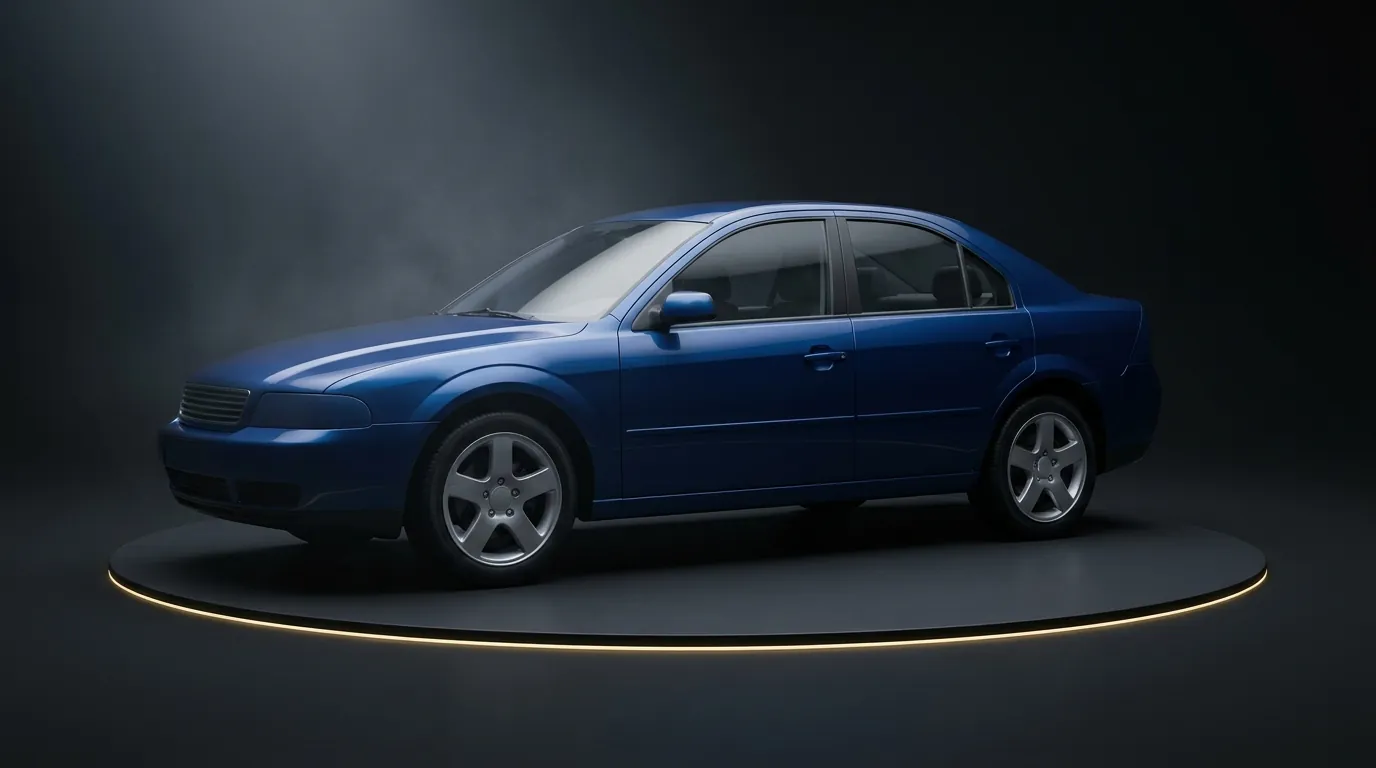
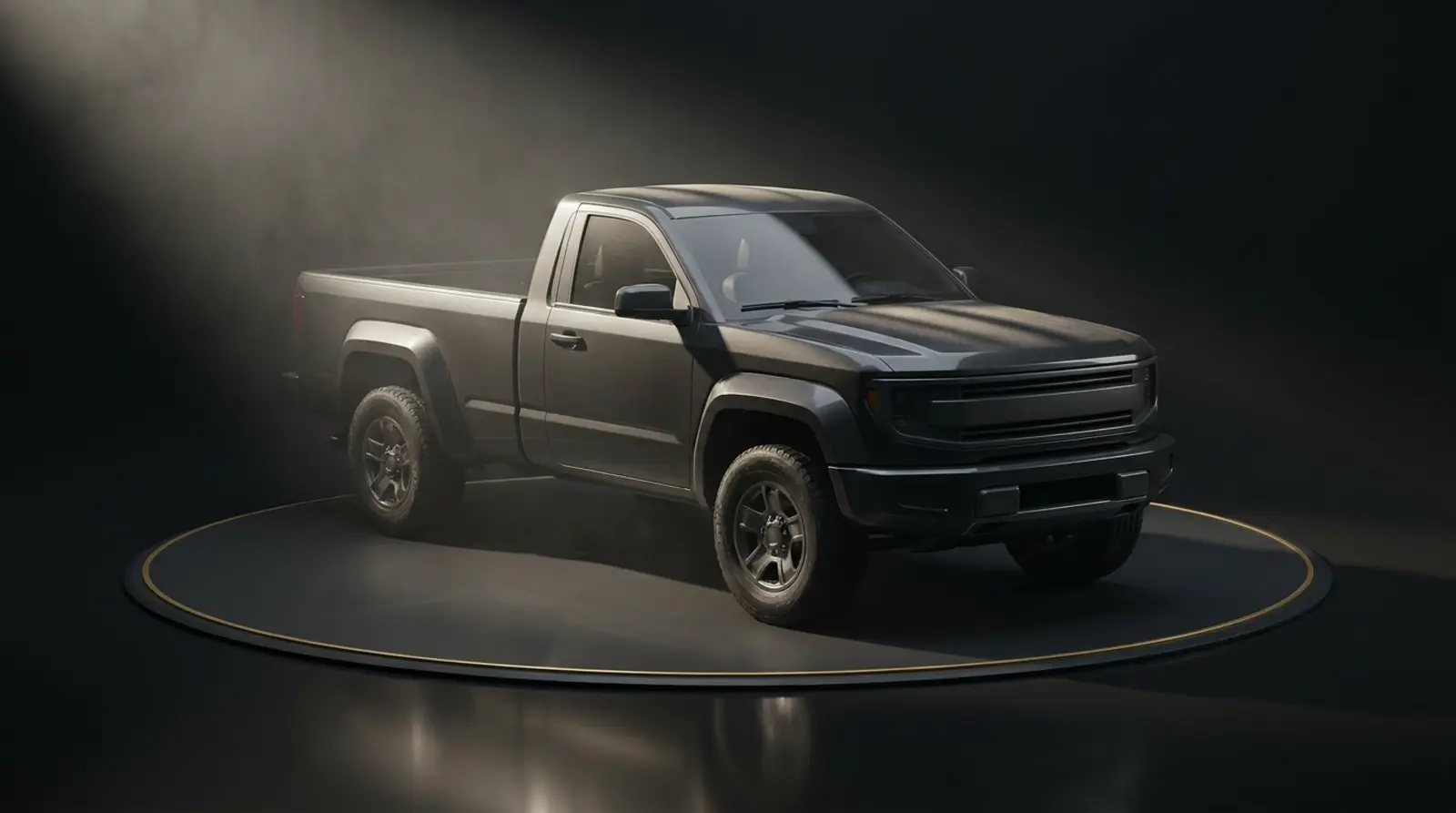
The statute reaches a self-propelled private passenger vehicle, including pickup trucks and vans, built to carry no more than ten people, sold to a consumer in Colorado. There is no weight limit anywhere in section 42-10-101; it is a seat count, not a gross-weight test, which is why a three-quarter-ton pickup is inside the statute. It does not reach motor homes, anything designed to travel on three or fewer wheels, or a vehicle that has been modified for commercial use.

On used vehicles Colorado changed its answer in 2024, and the change is easy to miss because it arrived in the same act that improved everything else. section 42-10-110 says the article “does not apply to a used motor vehicle.” Two sections are carved out of that and still apply to used cars, section 42-10-108 and section 42-10-109, which govern what a dealer has to tell you when it resells a vehicle that was bought back as a lemon. Everything else in the article is written around the warranty of a new motor vehicle, which is how section 42-10-101(3) defines “warranty”. If you bought used, your route is usually a different one, and we set those out in our guide to the Colorado used car lemon law.

Where the state statute does not reach, two things still can. The federal Magnuson-Moss Warranty Act stays in court and lets a consumer who prevails ask for costs and attorney fees, though 15 U.S.C. section 2310 leaves that to the court's discretion rather than requiring it. And the Colorado Consumer Protection Act at section 6-1-113 reaches deceptive trade practices by a dealer, with the greater of actual damages, $500, or treble damages on clear and convincing bad faith, and its fee clause runs one way only, to a successful plaintiff.

That last contrast is the one to take advice on. Colorado's own lemon law fee clause, in section 42-10-103(3), says the court “shall award reasonable attorney fees to the prevailing side.” Not the prevailing consumer, the prevailing side. It is mandatory, it is reciprocal, and it applies to vehicles bought before 7 August 2024 as well as after, because Senate Bill 24-192 never touched it. Choosing which statute to bring a Colorado claim under is therefore a decision about risk as well as remedy.

If your vehicle keeps failing anywhere in Colorado, our team can read your repair history and your bill of sale and tell you which version of the statute governs it.

Schedule a Free Case Evaluation →

Eligibility

What Qualifies for the Lemon Law in Colorado?

Colorado spells out when a manufacturer has had a reasonable number of attempts. Section 42-10-103(2)(a) sets three routes and any one of them is enough on its own, but all three are fenced by the same window: the first 24,000 miles of operation, or two years from delivery, whichever comes first. A fourth requirement sits across all three, the certified letter. Miss that and none of the three routes raises a presumption, however good your repair record is.

Two Repairs for a Safety-Based Defect

A defect that could hurt you gets a shorter count. Section 42-10-103(2)(a)(III) takes two or more repair attempts instead of three, and section 42-10-101(2.5) decides what qualifies: a nonconformityThe defect or condition that substantially impairs the use and market value of the vehicle, or its safety. Section 42-10-103(1) was amended in 2024 to add safety as a third limb. that results in a condition likely to cause death or serious bodily injury if the vehicle is driven, or one that creates a risk of fire or explosion. That is a test about consequences, not about which component failed. A brake complaint is not automatically a safety-based nonconformity, and an electrical fault that has started to smell of burning plastic may well be. Colorado had no safety route at all before 7 August 2024, and Georgia asks for only one repair where Colorado asks for two.

A Colorado example A new SUV whose electronic stability control drops out at highway speed, back twice to a Lakewood dealer, still dropping out at 9,000 miles

Three Repairs of the Same Defect

The same defect goes back three or more times and still has not been corrected, under section 42-10-103(2)(a)(I). Two conditions travel with it. The repairs all have to fall inside the 24,000-mile or two-year window, and the nonconformity has to continue to exist; a defect that was finally fixed on the third attempt is not a lemon under this route. For a vehicle sold before 7 August 2024 the number is four, not three.

A Colorado example A pickup back at a Colorado Springs service department three times for the same transmission shudder, still shuddering at 16,000 miles

Twenty-Four Business Days Out of Service

The vehicle is out of service for repair for a cumulative 24 or more business days of the repairer, under section 42-10-103(2)(a)(II). Colorado counts business days, not calendar days, which is a different sum from Georgia's thirty calendar days and worth doing carefully rather than estimating. The days are measured against the same mileage or the same two-year period, whichever runs out first, and subsection (2)(b) adds time back where war, invasion, a strike, fire, flood or another natural disaster put repairs out of reach. Before 7 August 2024 the count was thirty business days.

A Colorado example A new van that sits at a Fort Collins dealership across four visits while parts are on back order, passing 24 open business days in total

The Certified Letter and Ten Business Days

This one is not a route to qualifying; it is a condition on all three. Section 42-10-103(2)(c) says no presumption applies against a manufacturer unless it has received prior written notification by certified mail stating that the same defect has been repaired at least once under section 42-10-102 and still remains, and has then had ten business days to cure it. Send it to the manufacturer's address, not the dealership's. Two things follow that people get wrong in opposite directions: the manufacturer does get one more try, and that try counts as one of your repair attempts under both the three-repair and the two-repair safety routes. Subsection (2)(d) requires your dealer to have supplied the form for this with your owner's manual.

A Colorado example A third failed repair logged at 15,400 miles, a certified letter to the manufacturer's regional address, and the ten business days running out with the shudder still there

Meeting one of the three routes starts the analysis rather than finishing it, because section 42-10-104 gives the manufacturer two defenses: that the defect does not substantially impair the safety of, or the use and market value of, the vehicle, and that the problem came from abuse, neglect, or unauthorized modifications. Both are argued on paper. Keep every repair order, service invoice, and your purchase or lease agreement from your Colorado dealership, with the drop-off and pick-up dates on each one. Dates carry more weight here than in most states, because 24 business days is a short count and because the purchase date on the contract decides which version of the statute you are under.

Not sure whether your repair history clears one of the routes? Send it over for a straight read.

Get a Free Case Evaluation →

Where Your Case Is Heard

Filing From Colorado: The Program, the Courts, and the Deadlines

The question Colorado drivers ask first is which agency to apply to. The honest answer is that there is not one. Colorado is one of the states that never built a lemon law board, and knowing that early saves weeks of looking for a form that does not exist.

There Is No State Lemon Law Board

Colorado has no state arbitration program for lemon law claims, no panel, and no agency that decides the case. The Colorado Attorney General's Consumer Protection Section takes consumer complaints and may attempt informal resolution through its Consumer Mediation Program, but says so plainly on its own complaint page: it “does not have authority to provide legal advice or legal representation to individuals and does not have the authority to investigate or prosecute your individual case.” That is a different thing from Georgia, where a state-run arbitration at the Attorney General's Consumer Protection Division decides the claim and costs nothing to file.

The Manufacturer's Own Program Can Come First

Section 42-10-106 is the step that catches people out. If the manufacturer has established or participates in an informal dispute settlement procedure that substantially complies with 16 C.F.R. part 703, then the refund-or-replacement provisions of section 42-10-103(1) “shall not apply to any consumer who has not first resorted to such procedure.” So the first forum in a Colorado claim is often the manufacturer's own, and the Colorado Attorney General's complaint page points consumers to BBB AUTO LINE on 1-800-955-5100. Whether a particular manufacturer's program meets the federal standard is a question we answer per manufacturer, not per state.

Then a Colorado Court

Past that, a Colorado lemon law claim is a lawsuit. There is no arbitration award to appeal and no agency ruling to seek review of, because neither was ever made. The claim is brought under section 42-10-101 et seq., and a Magnuson-Moss claim can ride alongside it. 15 U.S.C. section 2310 keeps a Magnuson-Moss claim out of federal court below $50,000 exclusive of interest and costs, so most single-vehicle claims stay in a Colorado state court.

Fees Run Both Ways

Section 42-10-103(3): “The court shall award reasonable attorney fees to the prevailing side in any action brought to enforce the provisions of this article.” Mandatory, and reciprocal. Most state lemon laws shift fees to a winning consumer only; Colorado's shifts them to whoever wins. Senate Bill 24-192 left this subsection untouched, so it applies to a 2022 purchase exactly as it applies to a 2025 one. The practical consequence is that a weak Colorado lemon law claim is an expensive thing to file, and a strong one costs the driver nothing, which is why the first conversation is about the strength of the record.

The remedy is the manufacturer's choice, not yours

Section 42-10-103(1) says the manufacturer shall, “at the manufacturer's option”, replace the vehicle with a comparable motor vehicle or accept its return and refund the purchase price. In Georgia the consumer picks. In Colorado the election belongs to the other side, which changes how a claim is negotiated rather than whether it is worth bringing. Where there is a lienholder, the refund goes to you and the lienholder “as their interests may appear”.

Colorado keeps your other remedies open

Section 42-10-105 says that nothing in the article limits the rights or remedies otherwise available under any other state or federal law. That is the section that leaves Magnuson-Moss and the Colorado Consumer Protection Act standing alongside article 10 rather than replacing them, and it is why a Colorado claim is often pleaded in more than one count.

The deadline to bring a Colorado lemon law claim

One date ends a Colorado claim whatever the repair record looks like, and it is not the same date as the two-year window:

  • Thirty months from the date the vehicle was originally delivered to you, under section 42-10-107.
  • That is the only deadline. The old alternative, six months after the warranty expired, was removed on 7 August 2024.
  • The clock is tolled while the vehicle is not available for use by reason of repair. Shop time does not count against you.
  • It is also tolled while you are in arbitration under section 42-10-106.
  • Thirty months is not the same as the two-year or 24,000-mile window. The window decides whether the defect counts at all; the thirty months decides whether you can still sue about it. A Colorado driver can be comfortably inside the second and already outside the first.
If the manufacturer bought the car back: what Colorado does with it next

Section 42-10-109 requires a manufacturer that takes a vehicle back under section 42-10-103(1) to notify the Colorado Department of Revenue, attach a “Lemon Law Buyback” decal to the driver's door B pillar on the day it is returned and never remove it, and apply for a branded certificate of title. Any later seller who knows or should know the vehicle is a lemon law buyback has to disclose it before the sale, and nobody may peel the decal off.

Section 42-10-108 gives the next buyer a further choice: the dealer must either let a third-party agent inspect the vehicle before sale or give a seven-day free-look period with a refund of everything paid, less shipping. Those two sections are the only parts of article 10 that do apply to used vehicles, under section 42-10-110.

From 1 January 2027, section 42-6-107(1)(a)(III) makes “Lemon Law Buyback” the brand printed on the Colorado title itself. It is not in force yet.

The manufacturer's Colorado license, and who holds it

Since 7 August 2024, section 44-20-121(1)(d) of Title 44 of the Colorado Revised Statutes has made “failing to comply with article 10 of title 42” a ground on which a manufacturer's or distributor's license may be denied, suspended or revoked.

Manufacturer licensing sits with the executive director of the Colorado Department of Revenue through the Auto Industry Division, under section 44-20-105; the Motor Vehicle Dealer Board handles dealer licenses. It is rarely the remedy a driver wants, but it is pressure that did not exist in Colorado before 2024.

What the 2024 act changed, line by line

Read against the act as signed, the differences between the two Colorado regimes are these. The rights period went from the warranty term or one year to two years or 24,000 miles. Same-defect repairs went from four to three. A two-repair safety route was created where none existed, with the harm-based definition in section 42-10-101(2.5) alongside it.

Days out of service went from thirty to twenty-four business days. The manufacturer's cure window, previously just “an opportunity to cure” with no stated length, became ten business days. The use allowance got a formula for the first time. The limitation period went from six months after warranty expiry or one year after delivery to a flat thirty months, tolled for shop time.

And substantial impairment, which had meant use and market value, now reads use and market value or safety. Used vehicles and commercially modified vehicles were excluded. The buyback decal, the branded title and the manufacturer-license ground all arrived in the same act. Every one of those changes reaches only vehicles sold or leased on or after 7 August 2024.

Not sure which set of thresholds applies to your vehicle? We work that out in the first conversation, at no cost.

  • Bring the bill of sale and your repair orders. The purchase date decides which version of the statute you are under, and the dates on the repair orders decide whether your record clears it.
  • You speak with the people who would work the file, not an intake desk.
  • Colorado closes the door thirty months after delivery, and the two-year, 24,000-mile window usually closes long before that.

Pick a time to the right and we can confirm it.

Pick a time that suits you

Video call or phone, wherever you are in Colorado. Tell us when and we can confirm it.


    A Colorado driver at a kitchen table with repair orders and a certified-mail receipt, the paperwork a Colorado lemon law claim is built from
    You Stay Put

    Most of a Colorado claim happens on paper

    People picture a hearing. A Colorado lemon law claim starts with a certified letter and a folder of repair orders, and most of it never leaves that folder. There is no state form to file and no board to appear before. What decides it is whether the dates on your repair orders clear the statute, and those you already have.

    We write the certified letter, count the business days, pull the invoices together, work out the use allowance and deal with the manufacturer. Your part is the phone call that starts it. If you would rather read the mechanics first, our general note on how to file a lemon law claim covers the shape of it in any state.

    Start from home →
    How It Works

    The Lemon Law Process for a Colorado Driver

    A Colorado claim has fewer moving parts than a Georgia or Texas one, and that cuts both ways. There is no agency to apply to, so nothing is waiting to tell you a deadline has passed. These five steps are the sequence, in the order the statute puts them.

    Sculpted marble figure reviewing a bill of sale and an open warranty booklet, checking which version of the Colorado Lemon Law governs a vehicle

    Find the Purchase Date, Then the Applicable Law

    We start with the bill of sale. A vehicle sold or leased on or after 7 August 2024 is on two years or 24,000 miles, three repairs, the two-repair safety route and 24 business days. One sold before it is on one year or the warranty term, four repairs and thirty business days. If the vehicle is used, section 42-10-110 takes it outside the article and the route is usually the Colorado used car lemon law one instead. This decision shapes everything after it.

    Sculpted marble figure stacking repair orders on a service counter, the drop-off and pick-up dates a Colorado 24-business-day count is built from

    Get Every Repair Order, With Both Dates On It

    Colorado leans hard on dates. Every time the vehicle goes in, the repair order should name the complaint, the day you dropped it off and the day you got it back. The 24-business-day count in section 42-10-103(2)(a)(II) is built from those two dates, and so is the tolling of the thirty-month deadline in section 42-10-107. Ask for a copy at the counter each time rather than reconstructing it later.

    Sculpted marble figure posting a certified letter to a manufacturer's regional office, the notice C.R.S. section 42-10-103(2)(c) requires

    Send the Certified Letter to the Manufacturer

    Section 42-10-103(2)(c) requires written notification by certified mail to the manufacturer, stating that the same defect has already been repaired at least once and is still there. It goes to the manufacturer, not the dealership. Subsection (2)(d) says the form should have come with your owner's manual; if it did not, the manufacturer's address is in the warranty booklet. Keep the certified-mail receipt, because it is what starts the ten days.

    Sculpted marble figure marking off ten business days on a calendar beside a car on a workshop lift, the Colorado cure window

    Give the Ten Business Days, and Count Them as a Repair

    The manufacturer has ten business days from receiving that letter to cure the defect. If it fails, section 42-10-103(2)(c) makes that attempt count as one nonconformity subject to repair under both the three-repair and the two-repair safety routes. So a driver who had two failed repairs logged and then wrote the letter is at three when the ten days run out.

    Two sculpted marble figures at a podium and a judge's bench, where an unresolved Colorado lemon law claim is decided

    The Manufacturer's Program, Then a Colorado Court

    If the manufacturer runs a 16 C.F.R. part 703 program, section 42-10-106 sends you there before the section 42-10-103(1) remedies become available. If that does not resolve it, the claim goes to a Colorado court under section 42-10-101 et seq., with a Magnuson-Moss count alongside it where it helps. Thirty months from delivery is the outer limit, under section 42-10-107. Our step-by-step note on how to file a lemon law claim in Colorado walks the same sequence in more detail.

    Each of those five stages is a place a Colorado claim comes apart: a repair order that never named the defect, a notice letter posted to the selling dealer instead of the manufacturer, a count of calendar days where the statute asks for business days, a purchase date nobody checked. The common defects we see in Colorado repair histories are the ones the statute was written for: engine and transmission failures, electrical faults, brakes and steering, warning lights that come back, infotainment that reboots itself, and battery or charging faults on electric vehicles.

    You can run this yourself, and some Colorado drivers do. The catch is that you would be learning the clock while the other side is already running it. No one can promise a result, and anyone who does is telling you something they cannot know. What a firm that handles these claims can do is keep the record clean and the dates intact.

    Outcomes

    What Compensation Can You Receive?

    Section 42-10-103(1) gives two outcomes, and one thing about them is different in Colorado from most states: the manufacturer picks which one. The statute says the manufacturer shall, “at the manufacturer's option”, replace the vehicle with a comparable one or take it back and refund. In Georgia the consumer chooses. Here the choice is not yours.

    A refund is the full purchase price, and the same subsection spells out what that includes: sales tax, license fees, registration fees and any similar governmental charges, less a reasonable allowance for use. Where there is a lienholder, it is paid to you and the lienholder as their interests may appear.

    Colorado had no formula for the use allowance until 2024. Section 42-10-103(4) now sets one: take the total contract price, or the lessee cost, and multiply it by a fraction whose denominator is 100,000 and whose numerator is the miles you drove before you first presented the vehicle for repair of the defect, plus the miles you drove in any later period when the vehicle was not out of service for repair. Miles the vehicle accumulated while it sat at the dealership are left out of the numerator. Georgia divides by 120,000 and counts only the pre-first-repair miles, so the same vehicle carries a larger deduction in Colorado than it would in Georgia.

    Fees are the part that changes whether a claim is worth bringing. Section 42-10-103(3) requires the court to award reasonable attorney fees to the prevailing side. For a driver with a strong, well-documented record that is the provision that makes the claim affordable. It is also the provision that makes a speculative claim costly, because it runs in both directions.

    A settlement does not have to take the shape the statute names. Cash-and-keep resolutions, where you are compensated and keep the vehicle, are a real outcome in Colorado matters, and they are sometimes the right one when the defect is liveable and the diminished value is the real loss.

    Outcomes depend on the specific facts of each case, so no attorney can promise a particular result.

    Possible Outcomes

    A buyback

    full purchase price including sales tax, license and registration fees, less the use allowance

    A replacement

    a comparable motor vehicle, if that is the option the manufacturer takes

    A corrected vehicle

    where the manufacturer's ten business days actually fix the defect

    Cash and keep

    compensation for diminished value while the vehicle stays with you

    Attorney fees

    awarded to the prevailing side under section 42-10-103(3), mandatory rather than discretionary

    Vehicles We Handle

    Which Vehicles the Colorado Statute Reaches, and Which It Does Not

    Section 42-10-101(2) works from a single definition and three exclusions rather than a long list. A covered motor vehicle is a self-propelled private passenger vehicle, including pickup trucks and vans, designed primarily for travel on the public highways and used to carry not more than ten persons, sold to a consumer in Colorado.

    Cars, Pickups and Vans

    Covered, and pickups are named in the definition on purpose. There is no weight limit anywhere in section 42-10-101(2); it is a seat count, not a gross-weight test, so a three-quarter-ton pickup sits inside the statute. Colorado registered 3.6 million trucks against 1.4 million automobiles in 2023. See our practice areas.

    Electric Vehicles

    Covered on the same terms as any other private passenger vehicle. Battery, drive-unit and charging faults are nonconformities like any other where they substantially impair use and market value or safety. Our note on the electric vehicle lemon law covers the defect patterns we see most.

    Used Vehicles: Outside the Article Since 2024

    Section 42-10-110(1): “This article 10 does not apply to a used motor vehicle.” Only sections 42-10-108 and 42-10-109, the lemon-law-buyback resale rules, still reach used cars. If you bought used, the usual routes are the federal Magnuson-Moss Warranty Act, the Colorado Consumer Protection Act and the implied warranties, and our Colorado used car lemon law guide sets those out.

    Motorcycles and Three-Wheelers

    Excluded. Section 42-10-101(2) takes out “vehicles designed to travel on three or fewer wheels in contact with the ground”, which is the limb that removes motorcycles and three-wheelers from the Colorado statute. Magnuson-Moss has no such exclusion, so our motorcycle lemon law page is the place to start.

    Motor Homes and Commercially Modified Vehicles

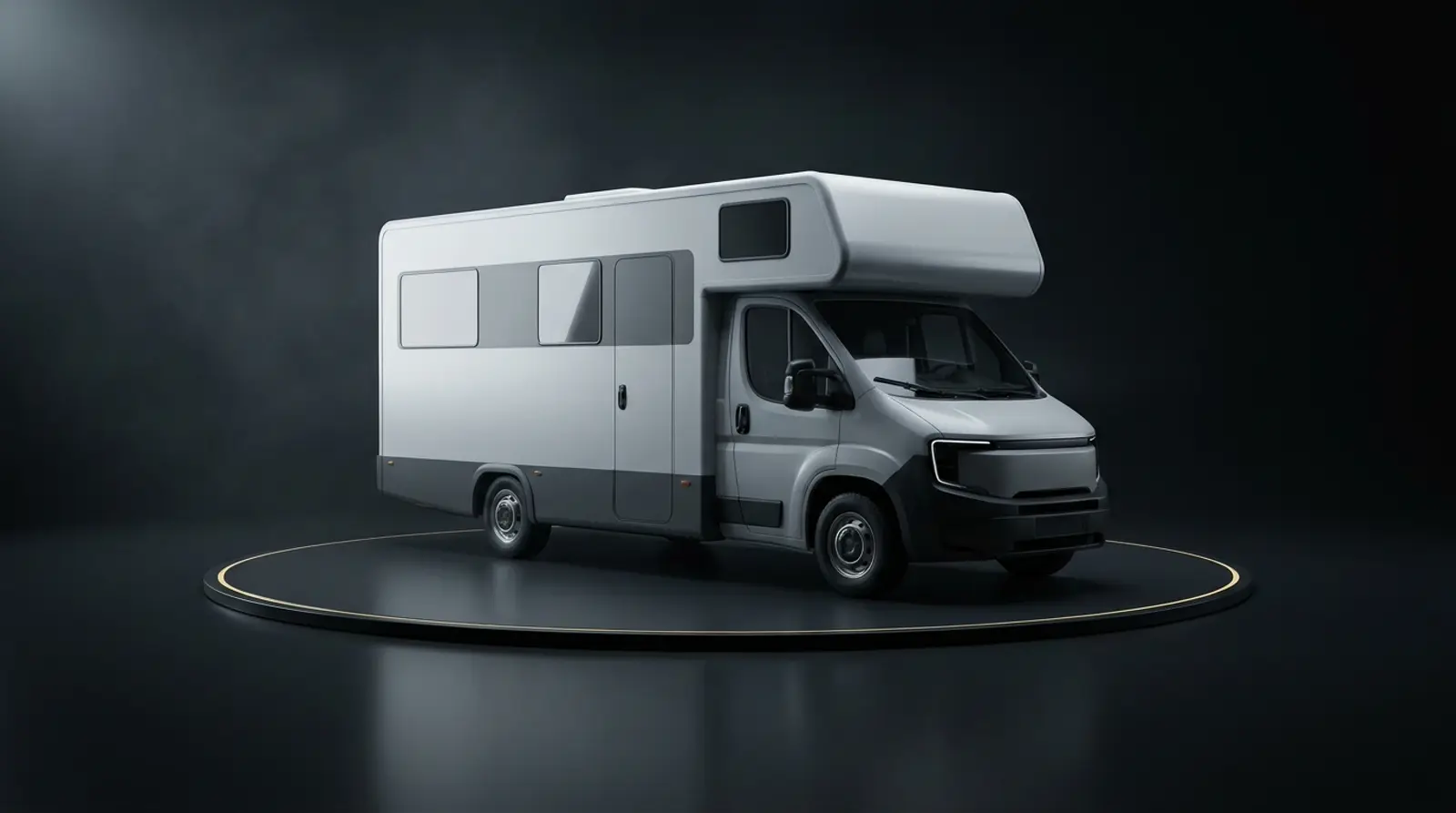
    Excluded. Motor homes are excluded by name, using the definition at section 42-1-102. Since 7 August 2024 so is “a motor vehicle that has been modified for commercial use”, a carve-out that did not exist before. A towed travel trailer or fifth-wheel is not self-propelled, so it never met the definition. Our RV and motorhome page covers the federal route, and diesel emissions claims run separately again.

    Not sure whether your vehicle is inside the Colorado definition? We can tell you from the registration and the bill of sale.

    See All Practice Areas →
    Why RockPoint

    Why Colorado Drivers Choose RockPoint Law

    Lemon law and consumer warranty work is the whole of our practice. We act for drivers across Colorado, and because a Colorado claim is run on paper and then in court rather than through a state board, where you live does not decide whether it is worth bringing.

    Lemon Law Is the Whole Practice

    This is not a side practice. Warranty and lemon law is what we do, day in and day out, for drivers with defective vehicles.

    Statewide, and Built for a State With No Board

    We act for drivers in all 64 Colorado counties, from El Paso and Denver out to the Western Slope. A Colorado claim runs on paper and in court from the first letter, which is how we run them.

    Current on Both Versions of the Colorado Statute

    We work from the purchase date first: two years or 24,000 miles, three repairs, two for safety and 24 business days for a vehicle sold on or after 7 August 2024, and the earlier four-repair, thirty-day rule for one sold before it.

    Straight Advice About the Fee Clause

    Section 42-10-103(3) awards fees to the prevailing side, either side. We tell you where your record sits before you commit to anything.

    No Upfront Legal Fees

    Qualifying cases run on contingency. You do not pay a fee unless we recover for you.

    The people who would work your file are the people you speak to first.

    Meet the Team →
    Side-by-Side

    Handling a Colorado Claim Alone vs With an Attorney

    Flip the switch to see the same four moments from both sides.

    Vehicle repair invoices spread across a kitchen table with a hand hovering over them
    On your own1 / 4

    Reading today's thresholds onto a vehicle bought before 7 August 2024

    Section 11(2) of SB 24-192 applies the new rules only to vehicles sold or leased on or after that date. A 2023 purchase is still on four repairs, thirty business days, no safety route and the old one-year window. Counting to three on a 2023 car gets the wrong answer about a claim that may still be good on the older rule.

    A person on the phone at a home desk with a notepad of call notes
    On your own2 / 4

    Treating any brake or steering complaint as a two-repair safety case

    Section 42-10-101(2.5) asks whether the defect results in a condition likely to cause death or serious bodily injury if the vehicle is driven, or creates a risk of fire or explosion. It is a harm test, not a parts list. A soft pedal that stops at two visits on that theory, when it needed three, is a claim argued on the wrong prong.

    A wall calendar with deadline dates circled in red beside a set of car keys
    On your own3 / 4

    Sending the notice to the dealership, or by ordinary post

    Section 42-10-103(2)(c) requires prior written notification by certified mail to the manufacturer, and without it no presumption applies at all. The dealer is not the manufacturer and an email is not certified mail. This is the single most common way a well-documented Colorado record fails.

    One person alone at the end of a long empty hearing room table
    On your own4 / 4

    Filing without weighing the two-way fee clause

    Section 42-10-103(3) awards reasonable attorney fees to the prevailing side, mandatorily. Most states shift fees one way, to a winning consumer. A Colorado driver who files a thin claim can be ordered to pay the manufacturer's fees, and that risk belongs in the decision before anything is filed.

    Hands working through an organized stack of repair orders with a highlighter and index tabs
    With RockPoint Law1 / 4

    The purchase date checked first, and the right statute applied

    We read the bill of sale before the repair orders, then build the claim on the version of section 42-10-103 that actually governs the vehicle. Where the older rule applies we count to four and thirty business days, and say so.

    A certified mail envelope and return receipt card being prepared on a desk
    With RockPoint Law2 / 4

    The safety route argued on the statutory test

    Where the record supports it, we describe the symptom in the terms section 42-10-101(2.5) uses, with the repair orders behind it. Where it does not, we take the three-repair route instead of losing on the shorter one.

    An open case planner with color-coded deadline tabs being marked
    With RockPoint Law3 / 4

    Certified mail to the manufacturer, with the ten days tracked

    The letter carries the section 42-10-102 language the subsection requires, goes to the manufacturer's address, and the ten business days run from proven receipt. That final attempt is then counted as one of your repairs, which is what the statute says it is.

    A bound exhibit folder open on a conference table
    With RockPoint Law4 / 4

    An honest read of the record before anything is filed

    We tell you where your repair history sits against the three routes, what the use allowance arithmetic does to the number, and which statute carries the best balance of risk and remedy for your vehicle. Sometimes that is article 10, sometimes Magnuson-Moss, sometimes the Consumer Protection Act.

    Serving All 64 Colorado Counties

    On the Ground Across Colorado

    Colorado had 6,012,561 residents as of 1 July 2025 on the Census Bureau's own Census Bureau estimate, up about 4.1% on its 2020 base of 5,775,326, spread across 64 counties, two of which, Denver and Broomfield, are consolidated city-counties. The largest county is El Paso, around Colorado Springs, at 752,772; Denver County follows at 729,019. Denver is the largest city; El Paso is the largest county.

    Those residents registered 5,211,580 motor vehicles in 2023, and the split is the part that matters for a lemon law claim: 3,619,329 trucks against 1,401,569 automobiles, on the Federal Highway Administration's Highway Statistics 2023, Table MV-1. Colorado is a pickup state, and section 42-10-101(2) names pickup trucks and vans inside the definition of a covered vehicle.

    The driving is hard on vehicles in a way that shows up in repair orders. I-25 carries the Front Range from the Wyoming line through Fort Collins, Denver, Colorado Springs and Pueblo to Trinidad. I-70 runs from Grand Junction over the Continental Divide at the Eisenhower–Johnson Memorial Tunnel into Denver and out east to Limon. I-76 heads north-east through Brighton and Fort Morgan, I-225 links I-25 to I-70 through Aurora, and E-470 and C-470 ring the metro past Denver International Airport, Parker, Littleton and Lakewood. US-550, the Million Dollar Highway, climbs from Ouray to Silverton. Denver drivers know the Mousetrap, where I-25 meets I-70.

    Colorado builds no passenger vehicles. There is no car plant in the state, which means every new vehicle sold here was assembled somewhere else and the manufacturer on the other side of a Colorado claim is always an out-of-state corporation. That is precisely why section 42-10-103(2)(c) sends your notice to the manufacturer by certified mail rather than to the dealership down the road, and why a Colorado claim has never needed a Colorado office to run.

    What Colorado does build, and who it employs

    What Colorado builds nearby is components rather than vehicles. Solid Power makes solid-state battery cells in Louisville and Thornton. Woodward builds engine and industrial controls in Fort Collins. Gates keeps its headquarters in Denver. Vestas builds wind turbine nacelles and blades in Brighton and Windsor, which are not vehicles at all.

    The people we hear from work at UCHealth in Aurora, Lockheed Martin Space at Waterton Canyon in Littleton, BAE Systems Space & Mission Systems in Broomfield, Arrow Electronics in Centennial, Molson Coors in Golden, Vail Resorts in Broomfield, the National Renewable Energy Laboratory in Golden, Frontier Airlines in Denver and JBS USA in Greeley. The commute is usually what exposes the defect.

    We take colorado lemon law claims from across the state, including:

    • Denver
    • Colorado Springs
    • Aurora
    • Fort Collins
    • Lakewood
    • Thornton
    • Arvada
    • Westminster
    • Greeley
    • Pueblo
    • Centennial
    • Boulder

    Those twelve are the largest Colorado municipalities on the Census Bureau's 1 July 2024 place estimates. Denver and Broomfield are consolidated city-counties, which is why they appear in the county figures as well.

    How to reach us: RockPoint Law does not keep an office in Colorado, and a Colorado lemon law claim does not need one. The certified letter goes out to the manufacturer, the repair orders come from your own Colorado dealership, and the suit is filed in a Colorado court rather than in a state office you have to travel to. The quickest way to start is the online intake form, which we read the same day. If you would rather follow the paperwork yourself first, our step-by-step Colorado filing guide walks each stage. Reviews below are firm-wide across every state we practice in, not Colorado-specific.

    RockPoint Law — area served in Colorado Claims taken from all 64 Colorado counties. Reviews below are firm-wide across every state we practice in, not Colorado-specific. Map shows the area we serve. RockPoint Law keeps no office, and no Business Profile, in Colorado.
    Case Results

    Recent RockPoint Law Recoveries

    These figures come from our firm's published lemon law settlement record across brands. They are firmwide results, not Colorado outcomes, and they show what a well-documented defect claim can be worth when it is handled properly.

    $160,264: BMW X6

    Recovery on a vehicle plagued by engine, electrical, and suspension defects.

    $144,550: Porsche Macan

    Refund for a Macan with recurring suspension, drivetrain, electrical, and HVAC problems.

    $110,289: Rivian R1T

    Recovery after repeated electrical, drive-unit, and suspension failures on an electric pickup.

    Figures are drawn from our firm's published settlement record and are not specific to Colorado matters. Prior results do not guarantee or predict a similar outcome in any future case. See more RockPoint Law settlements →

    FAQ

    Colorado Lemon Law Questions

    The questions Colorado drivers ask us most, and what you should know before you send anything.

    Does Colorado have a lemon law?
    Yes. It is the Motor Vehicle Warranties statute, C.R.S. sections 42-10-101 through 42-10-110, and the legislature strengthened it in 2024. If a new vehicle has a defect that substantially impairs its use and market value, or its safety, and the manufacturer cannot correct it after a reasonable number of attempts, the manufacturer has to replace the vehicle or buy it back. Colorado presumes the attempts were reasonable after three repairs of the same defect, two where the defect is safety-based, or 24 business days out of service, all inside the first two years or 24,000 miles. One feature sets Colorado apart from its neighbors: there is no state arbitration board. An unresolved claim goes to a Colorado court rather than to a state panel.
    How many repair attempts does Colorado's lemon law require?
    Three, for an ordinary defect. C.R.S. section 42-10-103(2)(a)(I) presumes the manufacturer has had a reasonable number of attempts once the same nonconformity has gone back three or more times and still exists. Where the defect is safety-based, section 42-10-103(2)(a)(III) takes two. A separate route needs no repeat count at all: 24 or more cumulative business days out of service under section 42-10-103(2)(a)(II). All of them have to fall within the first 24,000 miles or two years from delivery, whichever comes first. One important qualification: if your vehicle was sold or leased before 7 August 2024, the older rule governs it and the number is four repairs, not three, with thirty business days rather than 24, and no safety shortcut at all.
    What counts as a safety-based nonconformity in Colorado?
    C.R.S. section 42-10-101(2.5) defines it, and the test is about consequences rather than components. A safety-based nonconformity is one that either results in a condition likely to cause death or serious bodily injury if the vehicle is driven, or creates a risk of fire or explosion. Meet either limb and section 42-10-103(2)(a)(III) drops the repair count from three to two. Because the definition is written around harm, a brake or steering complaint does not automatically qualify, and an electrical fault that has begun to smell of burning insulation may well. Colorado had no safety route at all before 7 August 2024, so a vehicle bought before that date cannot use it whatever the defect turns out to be.
    How long do I have to file a Colorado lemon law claim?
    Thirty months from the date the vehicle was originally delivered to you. That is C.R.S. section 42-10-107, as rewritten in 2024, and it is now the only deadline; the older alternative of six months after the warranty expired was removed. Two things toll the clock in your favor. It stops while the vehicle is not available for use by reason of repair, so the weeks it spent at the dealership do not come out of your thirty months, and it stops while you are in arbitration under section 42-10-106. Do not confuse the deadline with the two-year, 24,000-mile window. The window decides whether the defect counts at all; the thirty months decides whether you can still sue about it.
    Does Colorado's lemon law cover used cars?
    Not since 7 August 2024. C.R.S. section 42-10-110(1), added by Senate Bill 24-192, says in terms that article 10 does not apply to a used motor vehicle. Two sections survive that exclusion and still reach used cars: section 42-10-108 and section 42-10-109, which govern what a dealer has to tell you when it resells a vehicle the manufacturer bought back as a lemon. Everything else in the article is built around the written warranty of a new motor vehicle, which is how section 42-10-101(3) defines warranty. A used-vehicle claim in Colorado usually runs instead through the federal Magnuson-Moss Warranty Act, the Colorado Consumer Protection Act, or the implied warranties. Our Colorado used car lemon law guide covers those routes.
    Do I have to write to the manufacturer before filing in Colorado?
    Yes, and skipping it defeats the claim. C.R.S. section 42-10-103(2)(c) says no presumption applies against a manufacturer unless it first received written notification by certified mail stating that one or more attempts to repair the same nonconformity have been made under section 42-10-102 and the defect remains. The manufacturer then gets ten business days from receipt to cure it. Send the letter to the manufacturer, not to the dealership, and keep the certified-mail receipt, because it fixes the start of the ten days. One part of this works for you: section 42-10-103(2)(c) makes that final attempt count as one nonconformity subject to repair, so the letter advances your repair count rather than granting a free extra attempt.
    Is there state-run lemon law arbitration in Colorado?
    No. Colorado never created a state lemon law arbitration board, and that distinguishes it from Georgia, where a state-run arbitration at the Attorney General's Consumer Protection Division decides the claim with no filing fee. The Colorado Attorney General accepts consumer complaints and may attempt informal resolution through its Consumer Mediation Program, but states on its own complaint page that it cannot give legal advice, cannot represent individuals, and has no authority to investigate or prosecute an individual case. What can come first is the manufacturer's own program: under C.R.S. section 42-10-106, where a manufacturer runs an informal dispute settlement procedure that substantially complies with 16 C.F.R. part 703, the refund and replacement remedies do not reach a consumer who has not used it first.
    Does Colorado's lemon law cover leased vehicles?
    The statute points both ways, so a lease claim is one to have reviewed rather than assumed. C.R.S. section 42-10-103(4) prices the use allowance off the total contract price or the lessee cost, which only makes sense if lessees are contemplated, and Senate Bill 24-192 applies itself to vehicles sold or leased on or after 7 August 2024. Against that, section 42-10-101(1) defines a consumer as a purchaser, and section 42-10-101(2) speaks of a vehicle sold to a consumer in this state. No Colorado appellate decision resolving the tension was located. If you lease, bring the lease agreement and the repair orders, and we tell you straight which statute gives you the strongest position and whether the lemon law is the one to lead with.
    How is the mileage deduction calculated on a Colorado buyback?
    C.R.S. section 42-10-103(4) sets a formula, which Colorado did not have before 2024. Take the total contract price, or the lessee cost, and multiply it by a fraction whose denominator is 100,000. The numerator is the miles you drove before you first presented the vehicle for repair of the defect, plus the miles you drove in any later period when the vehicle was not out of service for repair. Miles the vehicle accumulated while it sat at the dealership are left out of the numerator. Compare Georgia, which divides by 120,000 and counts only the miles before the first repair visit: the same vehicle carries a larger deduction in Colorado than it would there, and a lower denominator means a bigger deduction.
    Who pays the attorney fees in a Colorado lemon law case?
    Whoever loses, and this is the provision to understand before you file. C.R.S. section 42-10-103(3) says the court shall award reasonable attorney fees to the prevailing side in any action brought to enforce the article. Not the prevailing consumer, the prevailing side. The award is mandatory rather than discretionary, it runs in both directions, and Senate Bill 24-192 left it untouched, so it governs a 2022 purchase exactly as it governs a 2025 one. For a driver with a well-documented repair record that clause is what makes the claim affordable. For a speculative claim it is a real risk. The federal Magnuson-Moss fee shift is narrower and discretionary under 15 U.S.C. section 2310(d)(2), and the Colorado Consumer Protection Act shifts fees one way only, to a successful plaintiff.
    Which vehicles does Colorado's lemon law exclude?
    C.R.S. section 42-10-101(2) covers a self-propelled private passenger vehicle, including pickup trucks and vans, built to carry no more than ten people and sold to a consumer in Colorado. There is no weight limit anywhere in that definition, so it is a seat count rather than a gross-weight test, and a three-quarter-ton pickup sits inside the statute. Excluded by name are motor homes, using the definition at section 42-1-102(57), and vehicles designed to travel on three or fewer wheels in contact with the ground, which is the limb that takes out motorcycles. Since 7 August 2024 a vehicle modified for commercial use is also excluded. A towed travel trailer is not self-propelled, so it never qualified.
    What happens to a vehicle the manufacturer buys back in Colorado?
    It gets marked, and since 2024 Colorado has made that difficult to hide. C.R.S. section 42-10-109 requires the manufacturer to notify the Colorado Department of Revenue, attach a Lemon Law Buyback decal to the driver's door B pillar on the day the vehicle comes back, never remove it, and apply for a branded certificate of title. Any later seller who knows or should know has to disclose it before the sale. Section 42-10-108 gives the next buyer a choice as well: the dealer must either allow a third-party inspection before sale or give a seven-day free-look period with a full refund less shipping. From 1 January 2027, section 42-6-107(1)(a)(III) prints Lemon Law Buyback on the title itself.
    Track record

    RockPoint Law, by the numbers

    $50M+**
    Recovered for clients
    3,000+‡
    Cases handled
    25+
    Years of combined experience
    97%*
    Resolution rate
    Free Consultation
    No attorney's fees unless we recover for you.†
    Start here

    Tell us what the car is doing in Colorado

    The same free case review the rest of the site uses. Three details about the vehicle, and how to reach you.

    • The year and make of your vehicle
    • What the dealer has already tried, and whether you paid for it
    • Your name, phone and email, and we read it the same day

    No cost, no obligation. Contacting RockPoint Law does not create an attorney-client relationship.

    Meet the Firm Behind Your Claim

    The same attorneys who handle claims nationwide handle them here. Two minutes on who we are and how we work.

    What Our Clients Say

    Real results from real clients who trusted
    RockPoint Law with their lemon law claims.

    Meet the Team
    Behind RockPoint Law

    A dedicated team that stands with you through every step of your Lemon Law claim.

    Aaron Waldo
    Aaron Waldo
    Attorney
    U.S. Marine Corps veteran · Automotive background
    Liam Jones
    Liam Jones
    Attorney
    Licensed in New York & New Jersey
    Christian Garcia
    Christian Garcia
    Senior Case Manager
    Case management from intake through resolution
    Rudy Gutierrez
    Rudy Gutierrez
    Intake Manager
    First point of contact for new clients & case evaluations

    We Take On the
    Biggest Names

    Don't take on the manufacturer alone.

    Tell us the vehicle, the purchase date and what the dealer has already tried. We read it against the version of the Colorado statute that governs your vehicle.

    Get Your Free Case Evaluation →

    Free & Confidential — No attorney’s fees unless we recover for you.