

Updated:
Reviewed by Steven Nassi, Esq., Founder & Managing Partner, RockPoint Law P.C.
To file a lemon law claim in Kansas, start by confirming your vehicle qualifies under K.S.A. § 50-645 of the Kansas Consumer Protection Act. From there, document your repair history and put the manufacturer on notice so they get one last shot at fixing the problem. If it still isn't resolved, you can file a claim through the Kansas Attorney General's Consumer Protection Division and pursue arbitration, a refund, a replacement vehicle, or a manufacturer buyback.
Rockpoint Law represents Kansas consumers stuck with defective vehicles in Wichita, Overland Park, Kansas City, and Topeka. We handle Kansas lemon law claims from the first manufacturer notice through settlement, arbitration, and litigation when it comes to that. If you think your car is a lemon, schedule a consultation with a Kansas lemon law attorney and get your repair history reviewed before the deadlines run out. Contact us today.
In this guide, we will cover Kansas lemon law eligibility, the nine-step filing process, required documentation, and the remedies available under state law.
What Is Kansas Lemon Law?
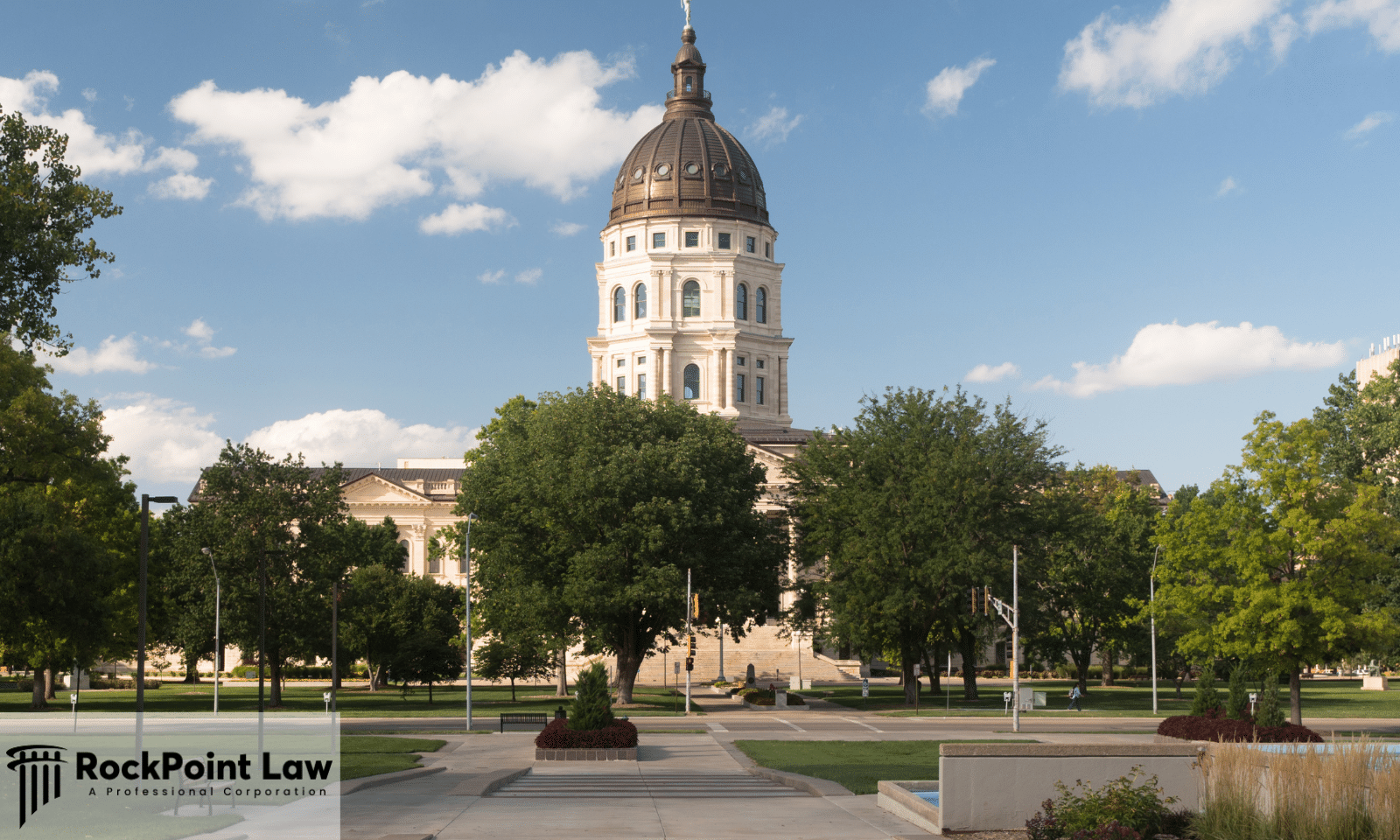
The Kansas Lemon Law sits within the Kansas Consumer Protection Act at K.S.A. § 50-645. It protects buyers and lessees of new motor vehicles when a manufacturer can't repair a substantial defect during the warranty rights period. Once reasonable repair attempts fail, the law puts the risk back on the manufacturer.
A vehicle becomes a Kansas lemon when a nonconformity substantially impairs its use, value, or safety and keeps happening after the manufacturer's authorized dealer has had a fair chance to fix it. A minor squeak or a cosmetic flaw almost never clears the substantial impairment bar.
What are the Kansas Lemon Law Statutes Consumers Should Know?
Kansas lemon law protections come from the statutes that spell out consumer rights and manufacturer obligations when a new vehicle has serious defects. Here are the key provisions worth knowing:
- Kansas Lemon Law Statutory Protections: K.S.A. § 50-645, the Kansas Motor Vehicle Lemon Law within the Kansas Consumer Protection Act
- Kansas Consumer Rights and Protections: Provisions governing manufacturer obligations, consumer remedies, and procedural requirements
- Manufacturer Warranty Obligations: Duty to repair, replace, or refund a qualifying defective vehicle within the rights period
Does Your Vehicle Qualify Under Kansas Lemon Law?
Kansas lemon law generally applies to new motor vehicles sold or leased in the state, including most passenger cars, light trucks, and SUVs that are registered for personal use. Some categories are left out, though. Heavy commercial trucks, motor homes, and off-road vehicles usually fall outside coverage.
To qualify, you generally need to be the original purchaser or lessee, and the defect has to show up during the manufacturer's express warranty period. That's why a used vehicle bought after the original warranty coverage rarely qualifies under Kansas law (K.S.A. § 50-645).
Leased vehicles can be covered too, as long as the lease is for personal use and the defect turns up during the warranty period. With leases, the lease agreement and any assignment of warranty rights matter a lot in deciding whether a Kansas vehicle defect claim can go forward.
After coverage is settled, the next question is the defect itself. Common Kansas auto defect claims involve engine failures, transmission problems, brake malfunctions, steering defects, repeated electrical faults, and persistent safety system issues. In all cases, the defect must originate from the manufacturer rather than from accident damage, misuse, or unauthorized modifications.
The defect also has to be serious enough to matter legally. Under Kansas law, a nonconformity must substantially impair the vehicle's use, market value, or safety. Recurring drivability issues and unresolved safety warnings tend to clear that threshold when they're documented and reported over and over.
Kansas Lemon Law Eligibility Requirements
Kansas lemon law eligibility usually comes down to how many times the same defect has been repaired. The statute requires four or more repair attempts by an authorized dealer for the same nonconformity. Every visit should have its own dated repair order that names the recurring issue.
Repeated repairs aren't the only route. A vehicle can also qualify on time out of service, 30 or more cumulative days in the shop for warranty repairs. Those days don't have to run back to back; every day the vehicle sits at the dealer for repair counts toward the total.
Timing inside the warranty period matters just as much. The defect has to appear and be reported while the vehicle is still under the applicable express warranty. Start the repairs after the warranty expires and you're generally outside Kansas lemon law protection.
Kansas also gives you a fairly short window. In most cases, lemon law protections run for one year from the date of original delivery to the first consumer. Federal warranty law may stretch certain remedies further, but the smart move is to act fast and keep thorough records from the start.
Not every problem qualifies, either. Damage resulting from collisions, owner neglect, unauthorized modifications, racing, off-road misuse, or normal wear and tear is typically excluded. Cosmetic issues that don't touch the vehicle's use, value, or safety rarely rise to what a successful claim requires.
How to File a Lemon Law Claim in Kansas
The Kansas lemon law filing process runs through documentation, manufacturer notice, and then either an informal settlement or court. Each step locks in evidence and protects your rights under K.S.A. § 50-645. Walking through these nine steps with a Kansas lemon law attorney makes your record harder for the manufacturer to poke holes in and keeps every remedy in play.
Step 1: Determine Whether Your Vehicle Qualifies
Check the vehicle's purchase or lease date, warranty status, and defect history. Make sure the problem is a recurring nonconformity, not damage the driver caused. A Kansas lemon law attorney can size up your eligibility from the repair orders and warranty terms before you sink time into a claim.
Step 2: Gather Repair and Warranty Records
Pull together every repair order, service invoice, and warranty booklet tied to the defect. Those repair records establish the pattern of failures and the dealer's repeated repair attempts. Missing paperwork weakens a Kansas defective vehicle claim, so ask the dealer for copies of any visits you can't account for.
Step 3: Track Repair Attempts and Vehicle Downtime
Log each repair visit with the date in, date out, mileage, complaint, and dealer's documented diagnosis. Count cumulative days the vehicle was unavailable. This running log supports Kansas lemon law repair attempts and the 30-day downtime threshold and prevents disputes later.
Step 4: Document All Communications With the Dealer and Manufacturer
Hold onto emails, letters, service advisor notes, and case numbers from the manufacturer's customer assistance line. Written records prove what was promised and when. A verbal assurance rarely survives a Kansas warranty dispute without a paper trail behind it.
Step 5: Notify the Manufacturer of the Defect
Send written notice to the manufacturer's designated address by certified mail with return receipt. Include the VIN, defect description, repair history, and a clear demand for a refund or replacement vehicle. Kansas manufacturer notification requirements set the clock on the manufacturer's final repair opportunity.
Step 6: Allow Additional Repair Opportunities if Required
A lot of statutes and warranties require one last repair chance after notice goes out. Cooperate with the manufacturer's scheduling, but document all of it. If the defect is still there after the final attempt, the Kansas vehicle defect claim is ready to escalate.
Step 7: Prepare Your Claim Documentation
Organize the repair orders, the certified mail receipt, communication logs, photos, and the purchase or lease agreement into one file. Add a written timeline summarizing each repair attempt. Clean documentation helps at settlement and protects the file if the case ends up in court.
Step 8: Submit Your Lemon Law Claim
File through the manufacturer's informal dispute settlement program, the manufacturer directly, or in court depending on warranty terms and counsel's advice. A Kansas lemon law lawyer can choose the venue that fits the facts and preserves federal claims.
Step 9: Pursue Settlement, Arbitration, or Other Available Remedies
If informal channels fail, claims often proceed through the manufacturer's BBB AUTO LINE arbitration or a lawsuit under K.S.A. § 50-645 and the federal Magnuson Moss Warranty Act. Either path can produce a refund, replacement, or buyback.
What is the Kansas Lemon Law Documents Checklist?

Strong documentation is the backbone of every Kansas lemon law claim. Keep these categories organized and within reach.
- Purchase or Lease Agreement: The signed contract that proves you are the original purchaser or lessee.
- Registration and Title Records: Kansas registration and title documents confirming ownership and vehicle identification.
- Warranty Documentation: Manufacturer's express warranty booklet showing coverage terms and the rights period.
- Repair Orders: Dated dealer repair orders for each visit listing the reported defect and work performed.
- Service Invoices: Itemized invoices showing parts, labor, and warranty coverage for each repair.
- Vehicle Repair Records: Complete service history confirming the pattern of repeat failures on the same nonconformity.
- Manufacturer Communications: Emails, letters, and case numbers from manufacturer customer assistance contacts.
- Proof of Vehicle Downtime: Loaner agreements, drop-off receipts, and dealer logs showing days the vehicle was out of service.
- Rental Vehicle and Towing Receipts: Out-of-pocket expense receipts tied to the defect for reimbursement of eligible costs.
- Claim Filing Documents: Certified mail receipts, demand letters, and arbitration or court filings tied to the claim.
What Are the Kansas Manufacturer Notification Requirements?
In Kansas lemon law claims, written manufacturer notification is a critical procedural step that should be sent once the vehicle reaches either the repair-attempt threshold or 30 cumulative days out of service. Send it well within the one-year rights period, too. Filing on time preserves your remedies and triggers the manufacturer's final repair opportunity before the statutory deadlines lapse.
A complete notice needs the identifying and case-specific details. That means the owner's name, the vehicle identification number (VIN), the purchase or lease date, and the dealer information. It also has to describe the defect in detail, lay out the full repair history with dates, cite K.S.A. § 50-645, and demand either a refund or a replacement vehicle.
Proper delivery of the notice is just as important as its content. It should be sent by certified mail with return receipt to the manufacturer's designated address listed in the owner's manual or warranty booklet. Consumers should retain the USPS tracking information, the signed green card, and a copy of the letter as proof that the notice was properly delivered.
A handful of common mistakes can sink an otherwise valid claim: mailing the notice to the dealership instead of the manufacturer, using regular mail with no proof of delivery, giving a vague or incomplete defect description, leaving out the repair history, or blowing past the one-year rights-period deadline. Any one of these hands the manufacturer a reason to stall or fight the claim.
What Is the Kansas Lemon Law Claim Process?
Once a Kansas lemon law claim gets going, the manufacturer usually logs the complaint, opens an internal file, and assigns a customer assistance representative. Early on, they'll ask for repair records and the vehicle's service history before anyone talks settlement. Then they weigh the claim, matching your repair orders against internal defect codes and warranty data, and they may send a field technician to inspect the vehicle and confirm the nonconformity.
Plenty of Kansas lemon law claims settle during this early review. Manufacturers might offer more repair attempts, extended warranty coverage, or a buyback or replacement. A well-documented repair history is often the leverage that pushes them toward a refund or replacement instead of yet another repair.
If negotiations do not resolve the matter, the claim may move into an informal dispute resolution process or formal legal action. This can include manufacturer-sponsored programs such as BBB AUTO LINE, private mediation, or a Kansas lemon law lawsuit filed in state or federal court. The path depends on the facts of the case and whether settlement efforts are successful.
Throughout the process, documentation remains central to the outcome. "Most Kansas drivers who think they have a lemon are right and just need the repair history packaged properly before notice goes out," says Aaron Waldo, a Rockpoint Law attorney. Key evidence includes repair orders, the manufacturer notification letter and certified mail receipt, photos, downtime logs, expense receipts, and a written timeline of failures. Timelines vary: direct manufacturer review typically takes 30 to 60 days, informal arbitration often resolves within 40 to 60 days, and litigation can take several months or longer depending on complexity.
What Remedies Are Available Under Kansas Lemon Law
Kansas lemon law offers a few possible remedies, depending on the facts and how the manufacturer responds. One of the main ones is a manufacturer buyback. In a Kansas lemon law buyback, you get the purchase price back along with finance charges, sales tax, and registration fees. After that, the total is reduced by a reasonable use offset based on the mileage at the first repair attempt.
Another option is a replacement vehicle. Here the manufacturer hands over a comparable new vehicle from the same manufacturer, with the applicable taxes, fees, and registration costs folded into the resolution.
In addition to these core remedies, a Kansas lemon law refund process may also account for amounts such as the down payment, monthly payments, sales tax, and certain finance charges paid by the consumer. Consumers may also recover documented out-of-pocket expenses directly tied to the defect, including towing charges and rental car costs.
Consumers may also pursue claims under the federal Magnuson-Moss Warranty Act. When applicable, this statute may allow recovery of attorney's fees, which can make legal representation more affordable by cutting or eliminating your upfront costs.
Common Mistakes That Can Hurt a Kansas Lemon Law Claim
One of the most damaging mistakes in a Kansas lemon law claim is waiting too long to act, especially beyond the one-year rights period, which can end a claim before it is fully developed. To preserve eligibility, the defect should be reported during the warranty period, and every repair visit should be carefully documented with dated repair orders obtained directly from the dealer after each service.
Documentation and notice errors are also frequent problems. Without complete repair orders, there is no reliable proof of repeated repair attempts, and gaps in invoices or vague defect descriptions can weaken a claim at every stage. In addition, verbal complaints to service advisors are not legally sufficient notice, so written notice should always be sent by certified mail to the manufacturer's designated address.
Finally, procedural missteps can create unnecessary delays or jeopardize an otherwise valid claim. Missing deadlines by failing to calendar the rights period, or skipping a required manufacturer informal dispute resolution program, can limit recovery options. Because these requirements vary depending on the facts of the case, ensuring each step is completed correctly is essential to maintaining a strong Kansas lemon law claim.
Kansas Lemon Law Examples

These composite scenarios illustrate how Kansas lemon law may apply in real-world situations. They are not based on specific clients, and outcomes will always depend on the individual facts and available evidence.
In one example, a Wichita-area driver returns to the dealer five times over eight months for the same stalling issue. Although the repair orders reference different attempted fixes each time, the recurring nature of the problem can help satisfy Kansas lemon law repair attempt thresholds and support a potential buyback demand.
In another scenario, an Overland Park-area family experiences persistent hard shifting and shuddering after four warranty repair visits, including a software update. When the defect continues even after the manufacturer's final repair opportunity, it may indicate that a Kansas defective vehicle claim is ready to be formally filed.
Kansas Lemon Law Timeline
Kansas lemon law claims usually follow a predictable arc from purchase through resolution. The table below outlines the typical stages.
| Claim Stage | What Happens |
|---|---|
| Vehicle purchased | The manufacturer's warranty coverage begins. |
| Defect appears | The consumer brings the vehicle in for warranty repairs. |
| Repair attempts | The dealer performs repair attempts and documents the visits. |
| Lemon law threshold met | The vehicle meets the required repair-attempt or out-of-service threshold. |
| Manufacturer notified | The consumer gives the manufacturer the required notice of the defect. |
| Claim preparation | The consumer gathers repair orders, correspondence, and other supporting records. |
| Claim filed | The consumer formally starts the lemon law claim process. |
| Claim review | The manufacturer or dispute program reviews the claim and supporting documents. |
| Resolution | The claim may end in a refund, replacement, settlement, or denial. |
Speak With a Kansas Lemon Law Attorney About Your Claim
Filing a Kansas lemon law claim begins with documenting the vehicle's defect and giving the manufacturer a reasonable opportunity to fix it. Kansas Lemon Law generally applies to new vehicles with a substantial defect that substantially impairs the vehicle's use, value, or safety and arises during the warranty period. Keep copies of repair orders, warranty documents, purchase records, and communications with the dealer or manufacturer. These records help show the number of repair attempts and the amount of time the vehicle has been out of service.
If the defect continues after a reasonable number of repair attempts, you may pursue a refund, replacement vehicle, or other available remedies under Kansas law. Consumers should review any applicable manufacturer dispute resolution program and be prepared to provide evidence supporting their claim. Acting promptly is important because filing deadlines and eligibility requirements can affect your rights. An experienced lemon law attorney can evaluate your case, explain your options, and help you pursue the compensation or vehicle replacement you may be entitled to receive.
Still dealing with a vehicle defect that won't go away? Kansas consumers may have legal options when a manufacturer cannot repair a substantial warranty-covered problem after a reasonable number of attempts. At Rockpoint Law, our lemon law attorneys in Kansa help drivers understand their rights and determine whether they have a strong lemon law claim. Contact us for a free case evaluation and learn how we may be able to help you pursue a refund, replacement vehicle, or other available relief.
Frequently Asked Questions About Kansas Lemon Law Claims
These answers cover the most common Kansas lemon law questions. Specific facts can change the analysis, so confirm yours with a Kansas lemon law attorney.
How Many Repair Attempts Are Required Under Kansas Lemon Law?
Kansas lemon law repair attempt standards typically require four or more attempts on the same nonconformity or 30 cumulative days out of service for warranty repairs during the rights period.
How Long Do I Have to File a Lemon Law Claim in Kansas?
Kansas lemon law rights generally last one year from original delivery to the first consumer. Federal warranty claims may extend longer, so act quickly to preserve options.
Can I Get a Refund Under Kansas Lemon Law?
Yes. A Kansas lemon law refund process can return the purchase price, finance charges, taxes, and fees, minus a statutory offset for the consumer's mileage of use.
Can I Get a Replacement Vehicle in Kansas?
Yes. Manufacturers may provide a comparable replacement vehicle of the same make, model, and value when a Kansas lemon law claim is resolved without a full buyback.
Does Kansas Lemon Law Cover Used Cars?
Coverage generally focuses on new vehicles purchased or leased in Kansas. Used cars may still qualify if the defect arose during the original manufacturer's warranty period.
Does Kansas Lemon Law Cover Leased Vehicles?
Yes. Leased vehicles can support Kansas lemon law claims when the lease is for personal use, and the defect arises during the manufacturer's express warranty period.
What Vehicles Qualify Under Kansas Lemon Law?
New passenger cars, light trucks, and SUVs purchased or leased for personal use generally qualify. Heavy commercial trucks, motor homes, and off-road vehicles are typically excluded.
Disclaimer: This article is for general informational purposes only and does not constitute legal advice. Reading this content or contacting Rockpoint Law does not create an attorney-client relationship. Kansas lemon law deadlines and procedural requirements change so consult a qualified Kansas lemon law attorney about your specific situation.