
Updated:
Reviewed by Natalie Nassi, Esq., Managing Partner, RockPoint Law P.C.
Yes, lemon laws can apply to used cars, but your eligibility depends on your state laws, warranty coverage, and your vehicle history. Lemon laws protect buyers when a used or new vehicle has a serious defect that can't be fixed despite a reasonable number of repair attempts. Understanding your options can help you pursue available compensation for costs related to the vehicle’s problems.
At RockPoint Law, we focus our practice on lemon law claims. Our founder, Steven Nassi, a New York attorney, brings 25+ years of litigation experience. Our attorneys have handled more than 3,000 cases, helping clients recover over $50 million in settlements. We have handled claims involving Ford, Toyota, Honda, Chevrolet, Tesla, BMW, Kia, and other manufacturers. If your used car has persistent defects, contact us to discuss your potential lemon law claim.
In this blog, we will explore how the lemon laws apply to used cars, what makes a used car qualify, and the Magnuson-Moss Warranty Act.
What Makes a Used Car Qualify as a Lemon?
A used car is a vehicle that was previously owned, titled, or driven before you purchased it. Buying a used car does not automatically disqualify you from the lemon law protection. According to Steven Nassi, Founder & Managing Partner at RockPoint Law in New York, “If your used car keeps having the same warranty-covered problem, you may qualify under lemon law.” However, eligibility can be complex. Your state's laws, the vehicle's warranty, and the nature of the defect determine eligibility.
For a used car to qualify, it must have a significant defect that could not be fixed after a reasonable number of repair attempts. NHTSA issued 1,073 safety recalls covering more than 29 million vehicles in 2024, showing how often safety defects can affect motor vehicles. This defect must also have affected how you use the vehicle, its value, or its safety. For example, recurring brake, transmission, steering, or engine problems may qualify under applicable state laws. The issue generally must be covered by the relevant warranty when it appears.
You’ll also need to give the manufacturer or car dealer a fair chance to fix the problem. Some states consider the number of repair attempts, while others look at how long your vehicle was unavailable for. Details like age, mileage, and the date you purchased the vehicle can also affect eligibility. Because these rules differ by state, review your warranty and repair history in the context of your state’s requirements.
Why Does Warranty Matter In a Used Car Lemon Law Claim?
The specifics of your warranty coverage matter because they can decide whether your used car qualifies for lemon law protection. When a warranty is in place, the manufacturer must address certain defects within its coverage period. Your eligibility may depend on whether the issue showed up while the warranty was still valid. Start by identifying every warranty in effect when the problem arose, which may include;
1. Original Manufacturer Warranty
Some used cars retain part of their original manufacturer warranty when sold to another owner. This coverage may protect against defects that arise during the remaining warranty period. Check your warranty documents to confirm the coverage period, mileage limits, and covered components. Keep copies of these records alongside your repair orders and service documents.
2. Certified Pre-Owned Warranty
Certified pre-owned vehicles often come with additional manufacturer-backed warranty coverage. The exact protection depends on the manufacturer's certification program and the vehicle's eligibility. Review the CPO warranty to understand its coverage period and repair requirements. A covered defect may provide a stronger basis for pursuing available remedies under applicable law.
3. Dealer Warranty
A dealership may provide its own written warranty when selling a used vehicle. These warranties can cover specific repairs or components for a defined period. Your sales contract should show whether the dealer provided warranty protection and what it covers. Do not assume a dealer warranty offers the same protection as the manufacturer's warranty.
4. Extended Warranties and Service Contracts
An extended warranty or service contract can provide additional coverage after factory protection ends. However, state lemon laws don't always treat these agreements the same way. Read the contract carefully to identify covered parts, exclusions, claim procedures, and expiration dates. Most importantly, determine which warranty covered the vehicle when the defect first appeared.
Does the Magnuson-Moss Warranty Act Protect Used Cars?
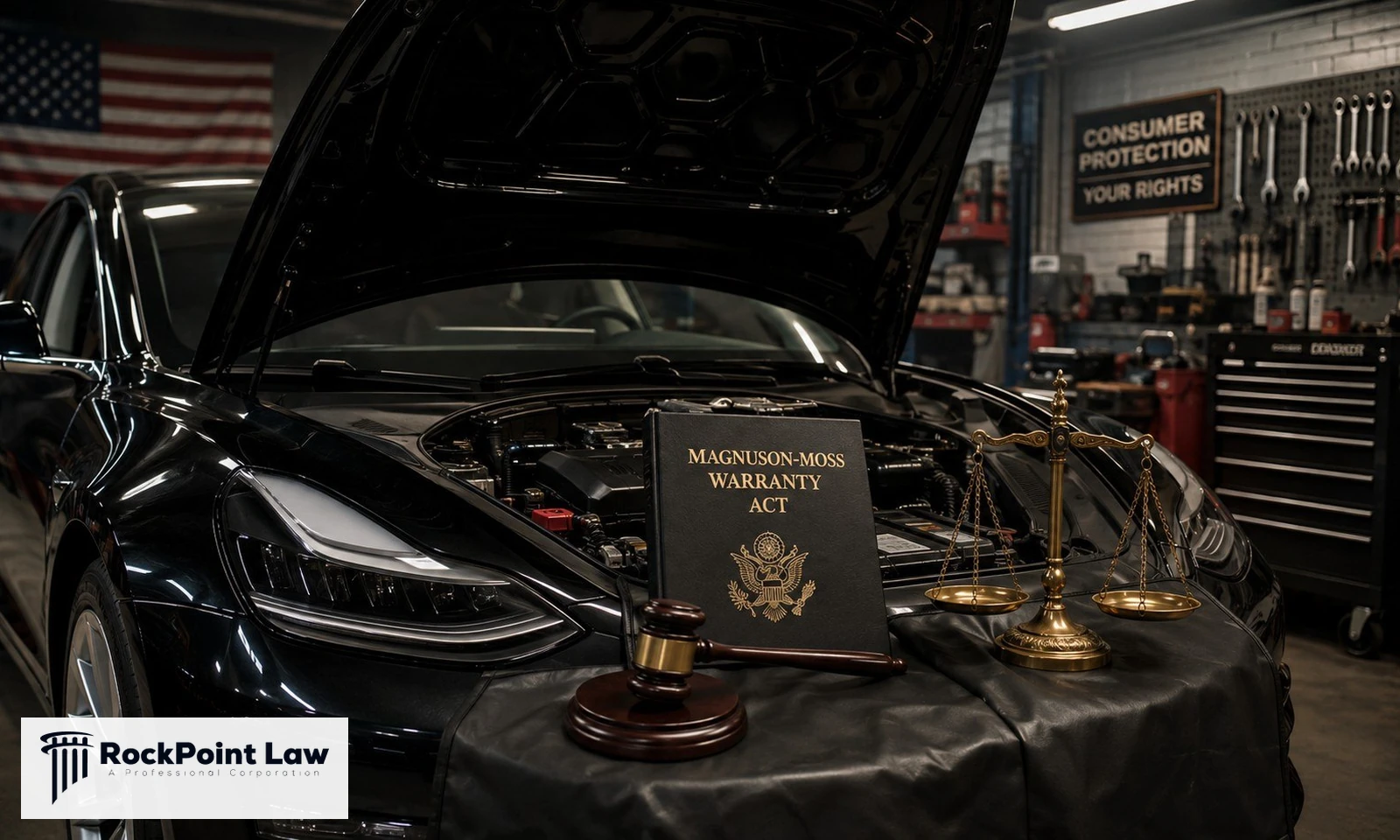
The Magnuson-Moss Warranty Act is a federal law that protects consumers by regulating written product warranties, including those for used cars. If you own a used car and your vehicle comes with a written warranty, this Act could offer you valuable protection. Unlike state lemon laws, which vary widely, Magnuson-Moss applies nationwide and focuses on warranty obligations regardless of where you live.
However, not every defective vehicle is automatically covered under this law; eligibility depends on whether a written warranty exists and what it says. The Act typically applies when your vehicle, or a specific part of it, is covered by a written warranty. The manufacturer, the dealership, or another party may provide that coverage.
If you discover a defect that’s covered, the warrantor usually has to stand by their promise and handle repairs. Natalie Nassi, Managing Partner at RockPoint Law in New York, believes, "If you have a warranty, you should be able to count on the company to keep its promises and fix what they said they would." Review your warranty, repair records, and purchase documents to determine whether the Magnuson-Moss Act may apply to you.
Does Lemon Law Apply to an “As-Is” Used Car?
When you buy a used car “as-is,” you’re accepting the vehicle exactly as it stands, with no promises from the dealer about its condition. This means the dealer isn’t responsible for fixing any issues that come up after you drive off the lot. But just because a car is sold “as-is” doesn’t mean you lose all your legal rights as a buyer. Your protections will depend on your state’s laws, the sales contract, and whether any warranty applies to the car.
An “as-is” sale can make it harder to bring a lemon law or warranty claim. In many states, lemon law protections won’t apply unless there’s a warranty or specific promise from the seller. However, if your car comes with a written warranty or the seller made clear promises about its condition, you may still have options. You’re also protected if the dealer lied about the car or hid a problem they knew about.
Before you agree to an “as-is” deal, review the sales contract carefully. The Federal Trade Commission (FTC) once estimated that about 50% of used cars sold by dealers were sold ‘as is', making warranty terms especially important. The Buyers Guide will state whether the car is being sold “as-is” or with a warranty. Hold on to any ads, inspection reports, emails, or other documents that describe the vehicle’s condition. If something major goes wrong, these records can help show what protections or remedies you might have.
Does Lemon Law Cover Used Cars Bought From Private Sellers?
Buying a used car from a private seller creates a different situation than buying from a licensed dealer. Most state lemon laws protect buyers who purchase cars from licensed dealerships. That means if you buy from a private seller, those protections often don’t apply, even if the car ends up having serious problems.
However, rules differ by state, so check the laws in the state where you bought the car. Consumer protection laws may still help if you can prove the seller lied about the car’s condition or hid major issues. Review all documents related to the sale, like the agreement, vehicle history, inspection reports, and any messages with the seller. These records can clarify what the seller promised and whether you might have another legal remedy.
How Used Car Lemon Laws Vary by State

No single nationwide lemon law covers used cars; each state has its own rules. Several states set their own standards for things like warranties, mileage limits, repair attempts, and what kind of help you can get if there’s a problem. Some have special lemon laws just for used cars, while others use different consumer protection laws instead.
Some states require a written warranty before their lemon law claim kicks in. Others may limit coverage based on the car’s mileage or age when you bought it. States also differ on how many repair attempts you need, how long your car can be out of service, and when you have to file a claim. Depending on the state, you might be entitled to a refund, a replacement of a similar model, or other compensation if your vehicle qualifies.
Take New York, for example; it has a clear used-car lemon law with detailed requirements. It covers used cars bought from New York dealers for at least $1,500. The vehicle must have fewer than 100,000 miles at purchase and be used mostly for personal reasons. It usually applies to vehicles bought within two years or 18,000 miles from their original delivery.
You usually have to give the authorized dealer three chances to fix the problem or wait 15 days after your car is out of service, whichever comes first. If the dealer can’t fix it, you may be able to go to arbitration and get a refund. All of this shows why it’s important to check your own state’s laws before assuming your used car qualifies for lemon law protections.
What Factors Can Affect a Used Car Lemon Law Claim?
Used car lemon law requirements can differ significantly by state and circumstances. The table below highlights the key factors that can affect whether you have a claim. Use it as a starting point, then check your state's specific requirements.
|
Factor |
What to Look For |
Why It Matters |
|---|---|---|
|
Warranty Coverage |
Manufacturer, CPO, dealer, or other written warranty |
The defect may need to fall within qualifying warranty coverage. |
|
Vehicle Age |
Age of the vehicle when purchased |
Some states impose age limits for used-car protection. |
|
Mileage |
Mileage at the time of purchase |
Certain states limit coverage based on the vehicle's mileage. |
|
Defect |
Serious problem affecting safety, use, or value |
Minor issues may not meet the legal definition of a qualifying defect. |
|
Repair Attempts |
Number of attempts to fix the problem |
State laws may require a reasonable number of repairs. |
|
Days Out of Service |
Total time period the vehicle was unavailable for repairs |
Some states use days out of service when determining eligibility. |
|
Seller |
Licensed dealer or private seller |
Some lemon laws apply only to vehicles purchased from dealers. |
|
Filing Deadline |
Applicable time limit for bringing a claim |
Missing a deadline could affect your ability to pursue the claim. |
|
Available Remedy |
Refund, replacement, cash settlement, or other relief |
The remedy depends on the applicable law and circumstances. |
These factors can give you a clearer picture of what may affect your used-car lemon law claim. Because requirements vary by state, review your specific circumstances before deciding what to do next.
What Are the Common Misconceptions About Lemon Laws for Used Cars?
Many people think lemon laws automatically protect every used car with problems, but that’s not the case. As Ron Kaniuk, Florida Managing Partner, RockPoint Law, Florida, puts it: "Lemon law protections aren’t automatic; they only apply if you meet the requirements." Whether you’re covered depends on your state’s law, the car's warranty, its condition, and how many repairs it’s had.
Another myth is that buying a used car means you have no protection. Some states do offer lemon law coverage for certain used vehicles, and warranty laws can sometimes help in other cases. It’s also easy to assume that just one failed repair means your car is a lemon, but that is not the case.
Another common misconception is that if you buy a car “as-is,” you have no legal recourse. While “as-is” sales limit some warranty protections, they don’t give sellers a free pass to hide known problems or commit fraud. Some people also think you can return any defective used car for a full refund, but what you’re actually entitled to depends on your state’s laws and the specific situation.
What Can You Recover From a Used Car Lemon Law Claim?
If your used car turns out to be a lemon, you may have a few different options. In many cases, you can get a refund or a manufacturer buyback, which includes the purchase price and other expenses. The final amount might be adjusted based on how much you drove the car before the problem showed up. Sometimes, you might even get a replacement vehicle that meets your state’s requirements.
Another possible outcome is a cash-and-keep settlement, which lets you keep your car and get some money to make up for its problems. You might also get reimbursed for certain repair costs or other out-of-pocket expenses, depending on the law in your state. In some cases, you could even have your attorney’s fees covered if you win your claim.
What you’re eligible for will depend on your state, your warranty, and the kind of claim you file. Not every situation has the same options. Review any offer carefully to make sure it covers your losses before you agree to anything.
How Can a Lemon Law Attorney Help?
A lemon law attorney can be your advocate when you’re dealing with a troublesome used car. They’ll review your purchase documents, warranty, and repair history to determine whether your vehicle might qualify for protection. If the manufacturer or dealer refuses to make repairs under warranty, your attorney can step in to protect your rights. They'll gather evidence, organize records, and spot any gaps that could impact your claim.
They can also handle negotiations with the dealer or manufacturer, whether you’re seeking a refund, a replacement vehicle, or a cash settlement. An experienced attorney can save you time, stress, and costly mistakes. And if negotiations don’t work out, your attorney will guide you through your options and take the next legal steps if needed.
Hypothetical Case Example: Consider David. He bought a used car from a dealership, hoping for reliable transportation. But after just a few months, the car developed a major brake problem that made it unsafe and unreliable. David took it back to the dealership several times, but they couldn’t fix the issue. When he asked for a buyback, the dealership said no.
That’s when David reached out to a lemon law attorney at RockPoint. We reviewed his paperwork, warranty, and repair history to see whether his case qualified. The records showed the dealership repeatedly tried and failed to fix the same warranty-covered problem. Armed with this evidence, we negotiated with the dealership and ultimately secured a buyback for David, finally putting the issue to rest.
This hypothetical example illustrates how RockPoint Law handles lemon law cases. Actual case outcomes vary based on the specific facts, evidence, and applicable state laws.
What Are Your Options If Your Used Car Is a Lemon?
Does your used car just keep breaking down? Your first step should be to look over your warranty, purchase papers, and repair history to determine eligibility. Whether you qualify under the law depends on things like your state’s laws, any warranty you have, how many times you’ve tried to get it fixed, and the car’s mileage.
Depending on your situation, you might get a refund, a replacement vehicle, a cash settlement, or other compensation. And if your state’s lemon law doesn’t apply, federal warranty laws could give you another way to get relief. If the dealer or manufacturer won’t fix the problem, you don’t have to handle it alone. A lemon law attorney can review your records, gather evidence, and figure out what options you have. They’ll negotiate for you and, if needed, walk you through your legal choices and next steps.
At RockPoint Law, our team focuses on Lemon Law and has handled more than 3,000 cases. Our attorneys have recovered over $50 million in settlements. If your used car may be a lemon, contact us for a free case evaluation.
Frequently Asked Questions
Lemon Law claims involving used cars often have different rules and requirements. Here are answers to some of the most common questions buyers have.
Do Lemon Laws Apply to Used Cars?
Yes, used cars can sometimes qualify for lemon law protection. If your car’s defect is covered by a warranty and your state’s laws include used vehicles, you may have options.
What Are the Requirements for a Used Car to Qualify?
Lemon law requirements depend on where you live, but usually you’ll need a valid warranty, a substantial defect, and a few repair attempts that haven’t fixed the problem. Some states also have rules about the car’s age, mileage, or how long you’ve owned it.
Can a Certified Pre-Owned Car Be a Lemon?
Yes. A certified pre-owned vehicle may qualify if it meets your state's requirements and remains covered by a qualifying warranty.
Does Lemon Law Apply to an “As-Is” Used Car?
It really depends on your state’s laws and the details of your purchase. Even if you bought your car “as-is,” you might still have some legal rights. An “as-is” label limits protections, but it doesn’t wipe them all out.
Does Lemon Law Cover Private-Party Used Car Purchases?
Most times, state lemon laws only apply if you bought your car from a licensed dealer. However, if you purchased from a private seller, other consumer protection and warranty laws might still help you.
Does the Magnuson-Moss Warranty Act Cover Used Cars?
Yes, it can. If your used car (or a specific part) is covered by a written warranty, the Magnuson-Moss Warranty Act may protect you. This federal law steps in if the warrantor doesn’t honor their promises.
Can I Get a Refund for a Used Car That Is a Lemon?
If your claim meets your state’s requirements, you might be eligible for a refund or buyback. Depending on where you live, you may also be eligible for a replacement vehicle or a cash settlement. Each state has its own rules about what’s possible.
When Should I Contact a Lemon Law Attorney?
Consider contacting a lemon law attorney when repeated repairs haven't fixed your vehicle's defect. An attorney can also help if the dealer or manufacturer refuses to repair the vehicle under warranty or denies your claim.
Disclaimer: This article provides general information about lemon laws and is not legal advice. Lemon law requirements, eligibility, and available remedies vary by state and individual circumstances. RockPoint Law does not guarantee any specific outcome, refund, settlement, or other result. For advice about your situation, consult a qualified lemon law attorney.