Outcomes
What compensation can you receive?
A buyback or a replacement, and the refund is your right
Once the manufacturer has had a reasonable number of attempts and the defect is still there, section 681.104(2)(a) gives it 40 days to act. It either buys the vehicle back and refunds the purchase price, or replaces it with one you accept, adding the collateral and incidental charges you reasonably paid, less a reasonable offset for your use. The choice belongs to you, and the statute calls the right to a refund unconditional. A replacement's sticker price can be no more than 105 percent of the original's, under section 681.102(21).
With a loan, the refund goes to you and your lender "as their interests may appear," so the lender's payoff comes out first and your share is what you put into the vehicle, less the offset. A lease splits the same way: your deposit and rental payments come to you, the lessor takes the rest of the lease price, and no early termination penalty can be charged.
The offset, worked through twice
The charge for use comes from section 681.102(19), and the Attorney General's remedy guideline applies it in three steps:
- Start from the base selling price on the invoice, leaving out taxes, government fees and dealer fees. For a lease, use the agreed value, less any manufacturer rebate.
- Multiply by the miles you put on the vehicle up to a settlement or the hearing, whichever is first.
- Divide by 120,000, or by 60,000 for a recreational vehicle.
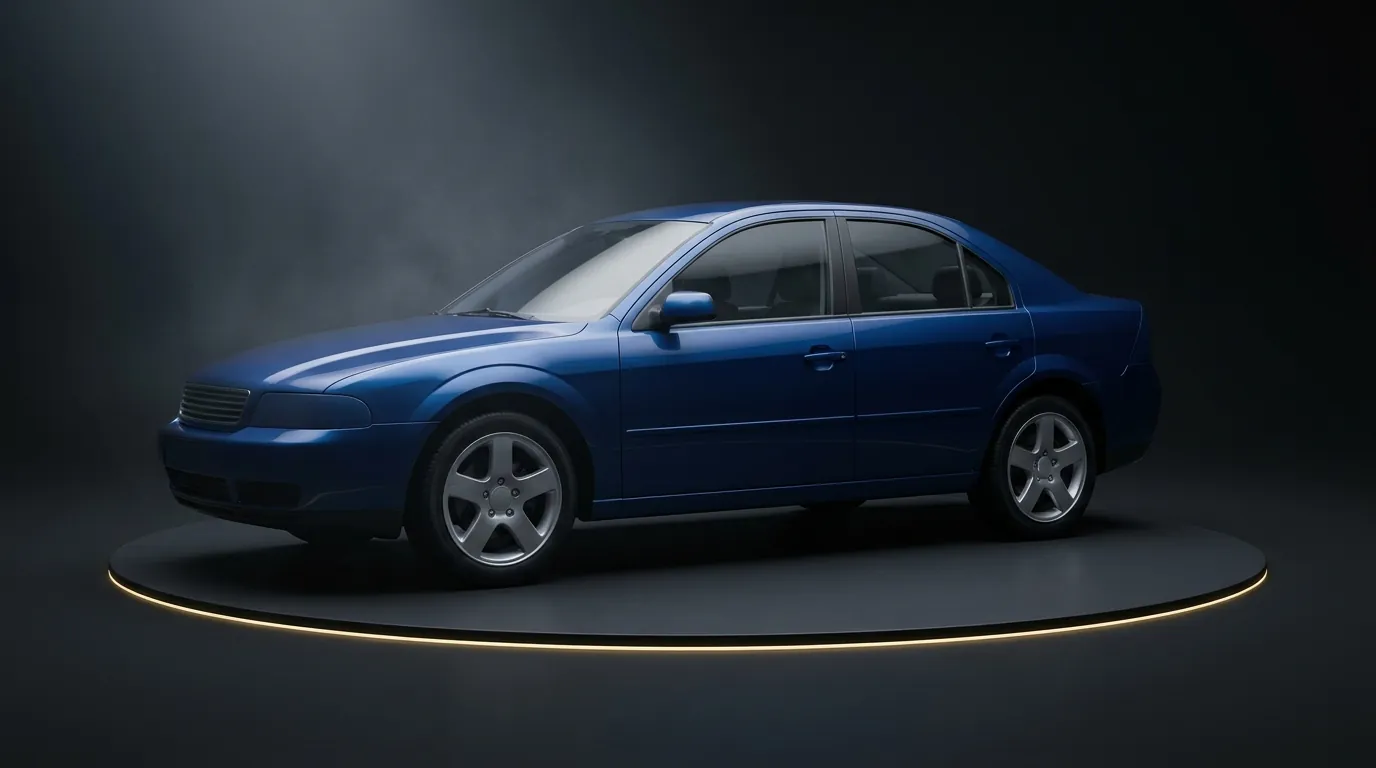
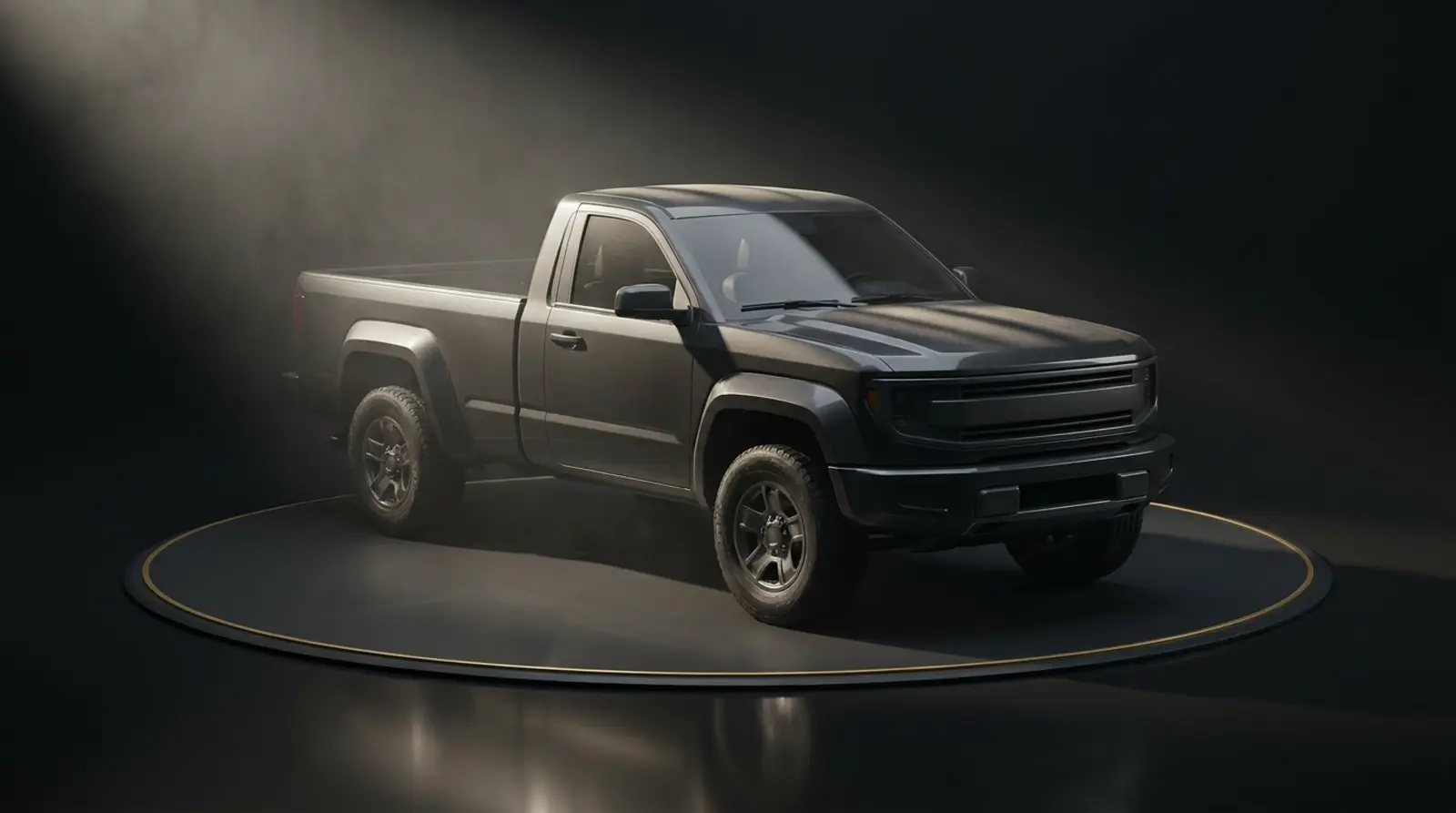
Two examples show the range. A student's $28,000 sedan driven 18,000 miles back and forth to campus carries a $4,200 offset. A $62,000 heavy-duty pickup with 21,000 miles on it carries $10,850. Only your miles belong in the formula: the guideline takes out delivery mileage and test drives by the dealer, the manufacturer, a program's inspectors and the Board. A manufacturer rebate on your down payment usually isn't refunded, though it can reduce the offset.
On a financed purchase, your share is built from the down payment, the loan payments so far including interest, extras you paid for such as tint, a bed liner, added equipment or a service contract, and the trade-in allowance. Subtract the offset, then add the costs the defect caused, like towing, rentals, postage and repair bills. If the dealer inflated your trade-in to cover money still owed on the old vehicle, the Board may use the NADA Southeastern retail value less that debt, and the figure can come out negative.
Fees can shift to the manufacturer when a consumer wins a Chapter 681 lawsuit, since section 681.112(1) requires the award, or when a manufacturer appeals a Board award and loses. Qualifying cases with us run on contingency. And the vehicle carries its history: under section 681.114, a buyback can't be sold or leased again unless the defect is clearly disclosed and the manufacturer warrants the repair for 1 year or 12,000 miles. The Attorney General's searchable buyback list is worth checking before you buy a used truck.



 Chevrolet
 GMC
GMC Buick
Buick Cadillac
 Chrysler
 Dodge
Dodge Jeep
Jeep Ram
Ram Fiat
Fiat Ford
Ford Lincoln
 Tesla
Tesla Rivian
 Lucid
Lucid Acura
Acura Alfa Romeo
 Aston Martin
 Audi
Audi Bentley
 BMW
BMW Ferrari
 Genesis
 Honda
Honda Hyundai
 Infiniti
 Jaguar
 Kia
Kia Lamborghini
 Land Rover
 Lexus
Lexus Maserati
 Mazda
Mazda McLaren
 Mercedes-Benz
 Mini
Mini Mitsubishi
 Nissan
 Polestar
 Porsche
 Rolls-Royce
 Subaru
 Toyota
 VinFast
 Volkswagen
 Volvo
Volvo