Virginia Lemon Law

Lemon Law Lawyers in Virginia

At RockPoint Law, lemon law is the whole practice. We act for Virginia drivers whose new vehicle keeps going back to the dealer for the same fault, whether that is a transmission that drops out of gear on I-64 heading for the Hampton Roads Bridge-Tunnel or an engine warning that reappears every time the car comes off the lift in Roanoke. Virginia gives you a real remedy, and it works differently from most of the South: there is no state arbitration board to apply to. You sue, in your own city or county court, and the statute makes the manufacturer pay your attorney's fees when you win.

18 months from delivery, no mileage cap All 95 counties and 38 cities No fee unless we recover

Free Case Evaluation

Three quick questions. No cost, no obligation.

  • The year and make of your vehicle
  • What the dealer has already tried
  • How to reach you, and we review it
Get My Free Case Evaluation →

Sending this does not create an attorney-client relationship. A case evaluation is a first step, not legal representation.

The Short Answer

The Virginia Lemon Law, in Brief

Yes, Virginia has a lemon law. If a warranty defect on your new vehicle survives a reasonable number of repair attempts inside the first 18 months after delivery, the manufacturer has to replace the vehicle or refund it, and you choose which. There is no state arbitration board in Virginia. The claim is a lawsuit you file yourself in court, and a consumer who wins recovers attorney's fees, expert fees and costs from the manufacturer.

The statute is the Virginia Motor Vehicle Warranty Enforcement Act, Va. Code section 59.1-207.9, and it runs through section 59.1-207.16:1. The General Assembly publishes the whole chapter for free, and it is short enough to read in a sitting. Start with the one sentence on the Attorney General's own Lemon Law page, because it tells you what kind of claim this is: the Act's provisions "are enforceable by private action brought by the consumer, not by a governmental agency."

That is the whole difference between Virginia and its neighbors to the south. A Georgia driver applies to the Attorney General and an arbitrator decides. A Virginia driver writes to the manufacturer, gives it a last chance to fix the car, and then files a civil action in the general district or circuit court for the city or county where the claim arose. The manufacturer's own program, usually BBB AUTO LINE, is available and section 59.1-207.15(A) makes using it entirely your decision: "it shall be the consumer's choice whether or not to use it."

The Act reaches passenger cars, pickup and panel trucks, motorcycles, autocycles, mopeds and the self-propelled chassis of a motor home, plus demonstrators and leased vehicles carrying a warranty. That list is in section 59.1-207.11, and it is wider than most people expect: a defective new motorcycle is a Virginia lemon law case, where in Georgia it is not. Where the Act does not reach, the federal Magnuson-Moss Warranty Act usually still does, and it shifts fees the same way.

Which route fits your vehicle is the first real decision: the Virginia Act if your vehicle is on the state's class list and still inside the 18 months, the federal Act if it is not. Our guide to how to file a lemon law claim sets out the paperwork order, and the lemon law glossary explains the vocabulary.

If your vehicle keeps failing anywhere in Virginia, our team can read your repair history and tell you which test it meets.

Schedule a Free Case Evaluation →
Eligibility

What Qualifies for the Lemon Law in Virginia?

Virginia does not ask a judge to guess what a reasonable number of repair attempts is. Va. Code section 59.1-207.13(B) presumes it, and the presumption covers two things at once: that the attempts were reasonable and that the vehicle is significantly impaired. Three routes get you there and any one of them is enough. Whichever route your repair record fits, it has to fall inside the lemon law rights period: the 18 months that start the day the vehicle was delivered to you. Each route below carries a Virginia example and a self-check you can run against your own invoices.

One Repair for a Serious Safety Defect

A serious safety defect that has been subject to repair one or more times and still exists is enough on its own. Section 59.1-207.11 defines it as a life-threatening malfunction, or one that impedes your ability to control or operate the vehicle for ordinary use, or one that creates a risk of fire or explosion. One attempt. That is the lowest threshold in the statute and the one most Virginia drivers never hear about, because the DMV's own summary page leaves it out.

A Virginia example Brakes that go long once on the descent into Roanoke on I-81 and do it again after the dealer says it is fixed

Three Repairs of the Same Defect

The same nonconformity has been subject to repair three or more times and still exists. It has to be the same defect each time. Read the definition before you rule yourself out, because Virginia says in terms that a nonconformity counts even where it does not affect driveability. A car that still drives can still be a lemon here.

A Virginia example A new SUV back at a Chesapeake dealer three times for the same transmission shudder, still shuddering

Thirty Calendar Days Out of Service

The vehicle is out of service due to repair for a cumulative total of 30 calendar days. This route counts differently from the other two, and it counts in your favor: subsections (B)(1) and (B)(2) both say "the same nonconformity," and (B)(3) does not. Days in the shop for unrelated faults add up together. The only carve-out is for repairs that could not be done for reasons beyond the manufacturer's control, and the statute lists them: war, invasion, strike, fire, flood or other natural disasters.

A Virginia example A pickup that sits at a Richmond service department across three visits for three unrelated faults, adding up past 30 days

Inside the Rights Period

All of it has to happen inside the lemon law rights period: 18 months from original delivery. Virginia sets no mileage limit at all, where Georgia stops at 24,000 miles and New York at 18,000. A high-mileage first year does not cost you the claim here. Time does.

A Virginia example A commuter car at 41,000 miles after 16 months on the I-95 run to Washington, with a fault first written up in month four

Meeting a test is not the end of the analysis. Under section 59.1-207.13(E) you have to notify the manufacturer before you can avail yourself of the remedy, and if it was never told that a subsection (B) condition had already been met, it gets one more window of up to 15 days to fix the car. The manufacturer also has two affirmative defenses ready under subsection (G): that the fault does not significantly impair use, market value or safety, and that the fault came from abuse, neglect or unauthorized modification. Both are argued on the paperwork, which is why you should keep every repair invoice, service order, and purchase or lease agreement from your Virginia dealership, with the drop-off and pick-up dates on each one. Section 59.1-207.5 requires the shop to hand you a written invoice after every repair, warranty work included, so you should not have to ask for one.

Not sure whether your repair history clears one of the tests? Send it over for a straight read.

Get a Free Case Evaluation →
Where Your Case Is Heard

Filing From Virginia: The Courts, the Circuits, and the Deadlines

Most states put a lemon law claim in front of an agency or a state arbitrator first. Virginia does not. That single fact reorganizes everything else: where you go, who decides, what it costs you, and above all how long you have. You file in the court for your own city or county, and your deadline runs from the day the vehicle was delivered to you rather than from the day the manufacturer finally refuses to buy it back.

A Court, Not an Agency

Section 59.1-207.14 gives any consumer who suffers loss from a violation the right to "bring a civil action to enforce such provision." No board hears it. The Attorney General's own Lemon Law page puts it beyond argument: the Act's provisions "are enforceable by private action brought by the consumer, not by a governmental agency." The Consumer Protection Section at 900 East Main Street in Richmond will take a complaint, and it does take lemon law complaints against manufacturers that stay out of BBB AUTO LINE. It does not decide your case.

Usually Your Own Courthouse

The Act names no court and no county, so ordinary Virginia venue applies. Section 8.01-262 lists the permissible forums, and two of them point straight home: the city or county "wherein the cause of action, or any part thereof, arose," and in an action arising from delivery of goods, "wherein the goods were received." You bought the car in Virginia Beach and it failed in Virginia Beach, so Virginia Beach is a proper forum. A manufacturer's registered agent in Richmond is another, not the only one.

Which Court Depends on the Money

Section 16.1-77(1) splits the trial courts by amount: the general district court alone up to $4,500, general district or circuit court concurrently from $4,500 to $50,000, and circuit court above that. That ceiling is measured "exclusive of interest and any attorney fees," so recovering your fees does not push the case out of the court you filed it in.

The Manufacturer's Program Is Optional

In Virginia the manufacturer's own program is never a hurdle you have to clear first. Section 59.1-207.15(A) is one sentence long: if a manufacturer provides an informal dispute settlement procedure, "it shall be the consumer's choice whether or not to use it prior to availing himself of his rights under this chapter." Not a prerequisite. Not an exhaustion rule. And if you do use one and the manufacturer ignores the result, subsection (C) lets the court triple the award and add further fees.

Your court is your city, not your county

Virginia has 38 independent cities, more than any other state, and they sit inside no county at all. Norfolk is not in a county. Neither is Richmond, Alexandria, Hampton, Newport News, Chesapeake or Virginia Beach.

Section 17.1-506 sorts those 38 cities and Virginia's 95 counties into 31 judicial circuits, and it does it city by city. Six cities have an entire circuit to themselves. So naming your county does not tell you your circuit court, and two Virginia localities can carry the same name while sitting in different circuits.

Which circuit covers your city, and the two name traps
  • The City of Chesapeake is the first circuit on its own, Portsmouth the third, Norfolk the fourth, Newport News the seventh, Hampton the eighth, Richmond the thirteenth and Alexandria the eighteenth.
  • The City of Richmond is the thirteenth circuit. Richmond County, out on the Northern Neck, is part of the fifteenth.
  • Franklin is a city in the fifth circuit and, separately, a county in the twenty-second.

Federal court is a narrower door

A Magnuson-Moss claim has a floor. 15 U.S.C. section 2310(d)(3) keeps it out of federal court unless the amount in controversy reaches $50,000 exclusive of interests and costs, counted across every claim in the suit. Most single-vehicle claims do not get there, and they do not need to: the fee-shifting in section 2310(d)(2) works the same way in a Virginia state court.

Where the federal courts sit, and when a manufacturer can send you to its own program first

28 U.S.C. section 127 divides Virginia into two districts. The Eastern District sits at Alexandria, Richmond, Norfolk and Newport News. The Western District sits at Roanoke, Charlottesville, Lynchburg, Harrisonburg, Danville, Abingdon and Big Stone Gap.

Federal law lets a warrantor insist on its program first. Under 15 U.S.C. section 2310(a)(3), a manufacturer that runs a procedure meeting the Federal Trade Commission's rules, and writes that requirement into its warranty, can stop you filing a Magnuson-Moss suit until you have been through it. Virginia's own statute does no such thing, and it makes no reference to the FTC rule at all. Your state claim and your federal claim can therefore have different front doors, and which one you lead with is a real choice rather than a formality.

The deadline that ends most Virginia claims

Section 59.1-207.16 says the action "shall be commenced within the lemon law rights period." That is the same 18 months you had to report the defect in, not a fresh period afterwards. Georgia gives a driver a full year after its rights period to start a claim. Virginia gives none.

Two things extend that date, and both have to be set up in advance rather than discovered late:

  • Section 59.1-207.13(C) extends the rights period where the manufacturer has been notified and the nonconformity still has not been effectively repaired when the period expires. Because the deadline is the rights period, that extension moves your filing date with it.
  • A consumer who made good faith use of a manufacturer's dispute settlement procedure inside the period and got nowhere has 12 months from the manufacturer's final action in it, or the original rights period, whichever is longer.

Anyone who tells you Virginia simply gives you 18 months and no more is quoting half the section. Our note on how to file a lemon law claim sets out the order the paperwork has to go in.

Not sure which of those routes fits your vehicle? We sort that out in the first conversation, at no cost.

  • Bring your repair invoices and the dates. That is usually enough to see which of Virginia's three presumption routes your record meets.
  • You speak with the people who would work the file, not an intake desk.
  • Virginia expects the suit to be filed inside the rights period itself, so the delivery date on your paperwork is the first thing we look at.

Pick a time to the right and we can confirm it.

Pick a time that suits you

Video call or phone, wherever you are in Virginia. Tell us when and we can confirm it.


    A Virginia driver on the phone at home while a lemon law claim is prepared and filed for them
    You Stay Put

    Most of a Virginia claim happens on paper

    People hear "lawsuit" and picture a courtroom and a calendar full of hearings. That is not what the early months look like. The notice goes to the manufacturer in writing, at the address its own warranty booklet has to give you under section 59.1-207.13(D). The repair record gets assembled. The demand goes out. A good many of these are resolved before anybody sets foot in the courthouse in Norfolk or Roanoke.

    We write the notice, count the days, pull the invoices together, work out the offset and deal with the manufacturer. Your part is the phone call that starts it.

    Start from home →
    How It Works

    The Lemon Law Process for a Virginia Driver

    A Virginia claim has fewer moving parts than a Georgia or Texas one, and that cuts both ways. There is no agency to apply to, so nothing is waiting to tell you a deadline has passed. The clock is yours to watch. Five steps, in the order a Virginia claim actually runs. For the form-by-form walkthrough, our guide to how to file a lemon law claim goes through each document in order.

    Sculpted marble figure reviewing an open warranty booklet at a desk, checking whether a vehicle is covered by the Virginia Lemon Law

    Check the Vehicle Is Covered

    Virginia defines the class list rather than the exclusion list. Section 59.1-207.11 reaches "only passenger cars, pickup or panel trucks, motorcycles, autocycles, self-propelled motorized chassis of motor homes and mopeds," plus demonstrators and leased vehicles carrying a warranty. So motorcycles are in, which surprises drivers who have read the Georgia rules. The terms come from section 46.2-100, and that is where the weight ceiling hides: a pickup or panel truck is one of 7,500 pounds registered gross weight or less, or up to 10,000 pounds where it is registered for personal use. Heavier than that and the vehicle is a "truck," which is not on the list.

    Sculpted marble figure stacking repair orders on a service counter, the paper trail a Virginia lemon law claim runs on

    Document Every Repair Attempt

    Virginia counts repairs of the same defect and days out of service separately, so the paperwork has to carry both counts. You are entitled to the document that does it: section 59.1-207.5 of the Automobile Repair Facilities Act requires a repair facility to give you a written invoice on completion of any repair, "including work performed pursuant to any warranty," showing what was done and which parts were warranty parts. Get it every visit, and check that it names the complaint. The 30-day prong counts calendar days, so the weekend the car spent on the lot counts too.

    Sculpted marble figure holding out a sealed certified letter, the written notice of nonconformity a Virginia consumer sends the manufacturer

    Notify the Manufacturer in Writing

    This is the step that decides claims. Section 59.1-207.13(E) makes it your responsibility to notify the manufacturer before you can use the remedy, and subsection (D) makes the manufacturer print the name and address to write to in the warranty or owner's manual. Write to that address, not to your service adviser, though the statute does say that a notice mailed to an authorized dealer has to be forwarded on. Then the catch: if the manufacturer had not been told a subsection (B) condition was already met, it gets an additional opportunity of up to 15 days to correct the fault. One window, not Georgia's three.

    Sculpted marble figure typing at a laptop, preparing a Virginia refund or replacement demand to the manufacturer

    Choose Refund or Replacement, and Decide on the Program

    The choice is yours and the statute says so without qualification: under section 59.1-207.13(A)(2) a consumer has "the unconditional right to choose a refund rather than a replacement vehicle," and the right "to drive the motor vehicle until he receives either the replacement vehicle or the refund." This is also where you decide whether to use the manufacturer's program, usually BBB AUTO LINE. Section 59.1-207.15 leaves that entirely to you, gives the manufacturer 40 days to honor a decision you accept, and lets a court triple the award if it does not.

    Two sculpted marble figures at a podium and a judge's bench, where a Virginia lemon law case is heard in court

    File Suit Inside the Rights Period

    If the manufacturer will not buy the car back, you sue. Section 59.1-207.14 is the cause of action, section 16.1-77 decides whether that is the general district or the circuit court, and section 8.01-262 decides the locality. The deadline is the hard part: section 59.1-207.16 wants the action commenced within the rights period itself, subject to the two extensions. Win, and section 59.1-207.14 says you shall recover attorney's fees, expert witness fees and court costs.

    Each of those five steps is a place a Virginia claim comes apart: an invoice that never named the defect, a notice letter posted to the selling dealer rather than the address in the owner's manual, and most often of all a suit filed in month twenty on a car delivered eighteen months earlier. The absence of an agency is what makes that last one so common. Nobody writes to tell you the window is closing, because there is nobody in the process but you and the manufacturer.

    You can run this yourself, and some Virginia drivers do. The catch is that you would be learning the clock while the other side is already running it. No one can promise a result, and anyone who does is telling you something they cannot know. What a firm that handles these claims can do is keep the record clean and the dates intact.

    Outcomes

    What Compensation Can You Receive?

    When a Virginia claim succeeds, Va. Code section 59.1-207.13(A) gives the manufacturer two ways out: replace the vehicle with a comparable one acceptable to you, or take it back and refund the full contract price. The statute then puts the choice in your hands rather than the manufacturer's, and it does it in unusually plain language. You have "the unconditional right to choose a refund rather than a replacement vehicle," and the right to keep driving the car until the money or the replacement actually arrives.

    The refund is the full contract price plus all collateral charges and incidental damages, less a reasonable allowance for use. Virginia does not calculate that offset the way its southern neighbors do. There is no divide-by-100,000 formula anywhere in the chapter. Instead the statute caps the allowance by rate: it "shall not exceed one-half of the amount allowed per mile by the Internal Revenue Service" for business use of a personal vehicle. The IRS business rate is republished at least once a year, so the ceiling moves with it rather than being frozen in the Code.

    That cap has two consequences worth money to you. The mileage that counts stops at the date of the first notice of nonconformity under section 59.1-207.13(A)(2), not at the date you hand the keys back, which is exactly why the same subsection lets you keep driving the car in the meantime.

    The offset also applies to a replacement, not only to a refund: "The subtraction of a reasonable allowance for use shall apply to either a replacement or refund of the motor vehicle." A Georgia replacement carries no offset at all. A Virginia one does. Anyone who tells you otherwise has read the wrong state's statute.

    Collateral charges are defined broadly and by name: sales tax, license, registration and title fees, finance charges and interest, transportation and dealer preparation charges, service contracts, undercoating, rustproofing and installed options, with the qualification that they must not be recoverable from a third party. Incidental damages take their meaning from section 8.2-715 of Virginia's Uniform Commercial Code. On top of those, the last sentence of section 59.1-207.13(A)(2) lets you recover "mileage, expenses, and reasonable loss of use necessitated by attempts to conform such motor vehicle to the express warranty." A lease works differently again: under subsection (A1) the vehicle goes back, the lessor terminates your written lease without penalty, and the lessor transfers title to the manufacturer.

    Fees are the part that changes whether a claim is worth bringing. Section 59.1-207.14 does not say a court may award them. It says a consumer who is successful shall recover reasonable attorney's fees, expert witness fees and court costs, and expert fees are named expressly, which matters in a case that turns on a technician's evidence. The federal Act is weaker on this point: 15 U.S.C. section 2310(d)(2) says a prevailing consumer "may be allowed by the court" to recover fees. That same sentence runs both ways: a defendant in a frivolous consumer action recovers its fees as well.

    Outcomes depend on the specific facts of each case, so no attorney can promise a particular result.

    Possible Outcomes

    Refund

    the full contract price and collateral charges, less an allowance capped at half the IRS per-mile rate

    Replacement

    a comparable vehicle acceptable to you, with the same use allowance applied

    A corrected vehicle

    where the manufacturer's 15-day opportunity under section 59.1-207.13(E) actually fixes it

    Collateral and incidental costs

    sales tax, title, license and registration, finance charges, loss of use and towing

    Attorney and expert fees

    a successful consumer shall recover them under section 59.1-207.14, not may

    Vehicles We Handle

    Which Vehicles the Virginia Statute Reaches, and Which It Does Not

    Virginia works from a class list rather than a list of exclusions. Section 59.1-207.11 says "motor vehicle" means only the classes it names, so the question is whether your vehicle is on the list, not whether it has been carved out. The list is broader than Georgia's in one direction and narrower in another. Where it does not reach, the federal Magnuson-Moss Warranty Act, 15 U.S.C. section 2301 and following, has no vehicle-type or weight limits at all. Pick a category to see where it stands.

    Cars, Vans and Light Trucks

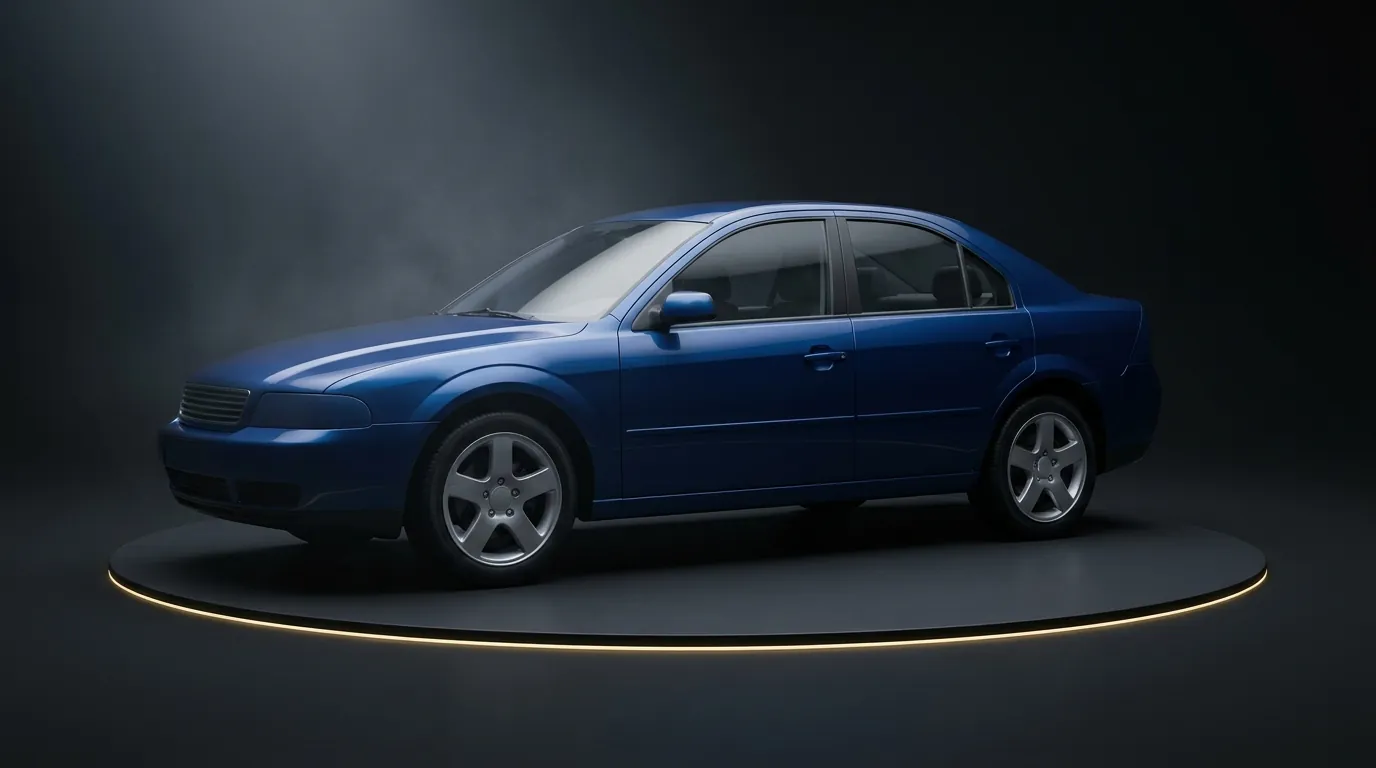
    Covered, and the vehicles the statute was written around. A "passenger car" under section 46.2-100 carries no more than 10 people including the driver. See our practice areas.

    Diesel Trucks

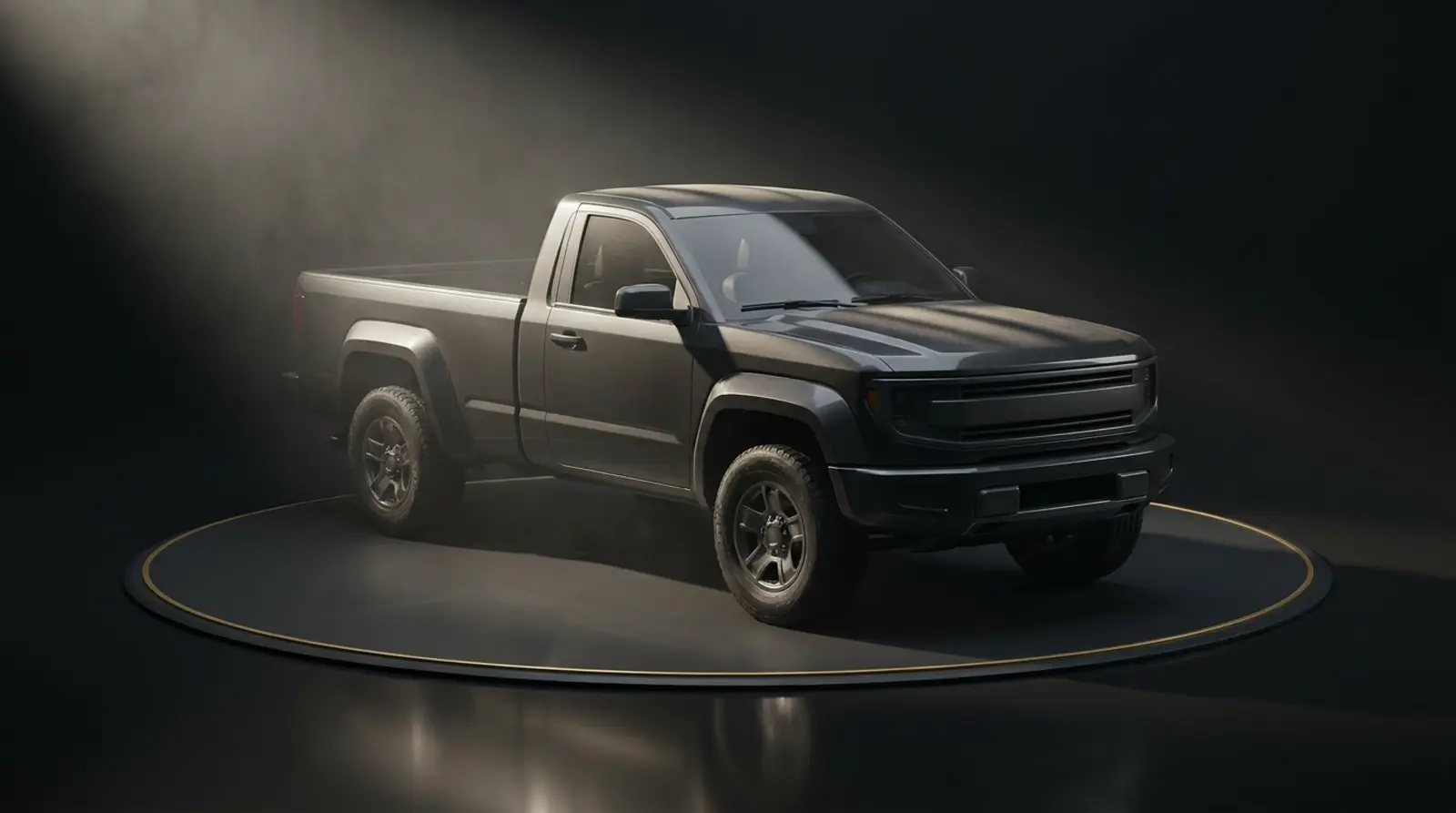
    Covered as a "pickup or panel truck" up to 7,500 pounds registered gross weight, or 10,000 pounds where it is registered for personal use. Above that it is a "truck" and off the list, though derate and DEF faults still support a federal claim. See our diesel emissions lemon law guide.

    Motorcycles and Mopeds

    Covered by name, along with autocycles, which the General Assembly added in 2022. This is the opposite of Georgia, where motorcycles are excluded outright. A defective new motorcycle in Virginia is a lemon law case. See our motorcycle lemon law guide.

    RVs and Motorhomes

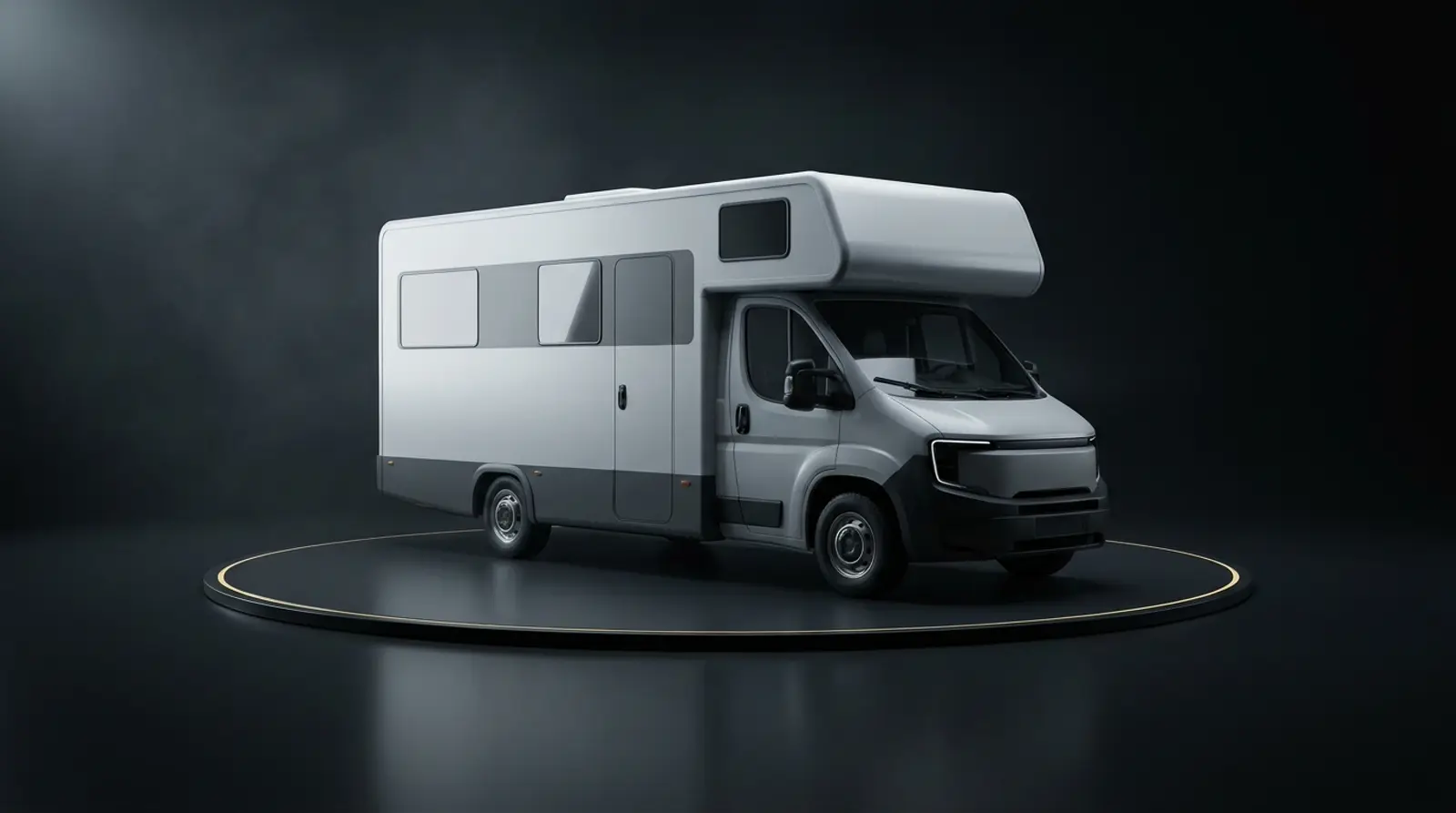
    The statute reaches the self-propelled motorized chassis only, never the living quarters. A leaking roof or a failed fridge in the coach is outside it; a drivetrain or chassis fault is inside. Towable trailers and campers are not self-propelled and are off the list entirely. See our RV and motorhome lemon law guide.

    Electric Vehicles

    Covered on the same terms as any other passenger car. Virginia's nonconformity definition expressly includes defects "that do not affect the driveability of the vehicle," which is useful language for charging, infotainment and software faults. See our electric vehicle lemon law guide.

    Why RockPoint

    Why Virginia Drivers Choose RockPoint Law

    Lemon law and consumer warranty work is the whole of our practice. We act for drivers across Virginia, and because a Virginia claim is built on a written notice, a repair record and a filing deadline rather than on an agency queue, the work runs the same way whether you are in Arlington or Abingdon.

    Lemon Law Is the Whole Practice

    This is not a side practice. Warranty and lemon law is what we do, day in and day out, for drivers with defective vehicles.

    Every Circuit, Not Just Northern Virginia

    Virginia spreads 95 counties and 38 independent cities across 31 judicial circuits, and venue under section 8.01-262 usually sits where you live. We take cases from all of them, not only the ones inside the Beltway.

    We Know the Virginia Clock

    Eighteen months from delivery, the written notice, the 15-day correction window, the two extensions in sections 59.1-207.13(C) and 59.1-207.16. Virginia has no agency to flag a missed date, so we track it.

    Clear Communication

    Straight updates at every stage of your case. No silent stretches and no surprises.

    No Upfront Legal Fees

    Qualifying cases run on contingency. You do not pay a fee unless we recover for you, and Virginia makes the manufacturer pay fees to a consumer who wins.

    Side-by-Side

    Handling a Virginia Claim Alone vs With an Attorney

    Flip the switch to see the same four moments from both sides.

    Vehicle repair invoices spread across a kitchen table with a hand hovering over them
    On your own1 / 4

    Guessing which of Virginia's three presumption routes your record meets

    One failed repair of a serious safety defect, three repairs of the same nonconformity, or 30 cumulative calendar days out of service. They are alternatives and they count different things. Subsections (B)(1) and (B)(2) of section 59.1-207.13 both say "the same nonconformity"; (B)(3) does not, so unrelated faults add their days together. Which route your invoices actually support decides how the claim is built.

    A person on the phone at a home desk with a notepad of call notes
    On your own2 / 4

    Telling the service adviser instead of writing to the manufacturer

    Section 59.1-207.13(E) makes notifying the manufacturer your responsibility before you can use the remedy, and subsection (D) makes the manufacturer print the address in the warranty or owner's manual. Complaining for a year to the dealer you have been dealing with feels like notice and usually is not. Get it wrong and the manufacturer also gets an extra 15 days to fix the car.

    A wall calendar with deadline dates circled in red beside a set of car keys
    On your own3 / 4

    Missing the filing deadline because nobody is counting but you

    Section 59.1-207.16 wants the action commenced within the lemon law rights period, which is the same 18 months you had to report the fault in. In an arbitration state an agency at least acknowledges a filing. Virginia has no agency in the loop, so a claim can go quietly out of time while the manufacturer is still exchanging polite letters with you.

    One person alone at the end of a long empty hearing room table
    On your own4 / 4

    Accepting the manufacturer's arithmetic on the use allowance

    Virginia's allowance for use is a ceiling, not a fixed sum: no more than half the IRS business rate per mile, counted only to the date of the first notice of nonconformity. Manufacturers routinely count to surrender instead, and on a car you kept driving through the dispute that difference is thousands of dollars.

    Hands working through an organized stack of repair orders with a highlighter and index tabs
    With RockPoint Law1 / 4

    A clear read on the one-repair, three-repair or 30-day route

    We read the invoices first and tell you which route your record supports before anything is sent. Where it supports more than one, we take the strongest.

    A certified mail envelope and return receipt card being prepared on a desk
    With RockPoint Law2 / 4

    Notice drafted and sent the way section 59.1-207.13 requires

    To the manufacturer, at the address its own warranty booklet gives, with proof of what was sent and when. After that the manufacturer deals with us rather than with you.

    An open case planner with color-coded deadline tabs being marked
    With RockPoint Law3 / 4

    The deadline worked from your delivery date, with both extensions checked

    We date the period from the original delivery rather than from memory, then test whether section 59.1-207.13(C) extends it because the fault was never effectively repaired, and whether a dispute-settlement attempt bought the extra 12 months under section 59.1-207.16.

    A bound exhibit folder open on a conference table
    With RockPoint Law4 / 4

    The offset tested against the statutory ceiling, not their spreadsheet

    We fix the first-notice date from the record, apply the half-the-IRS-rate cap to the miles that actually count, and put the collateral charges and incidental damages back in where the manufacturer has quietly left them out.

    Serving All 95 Counties and 38 Cities

    On the Ground Across Virginia

    Virginia is the twelfth most populous state, with about 8.88 million residents on the Census Bureau's estimate for 1 July 2025, up from 8,631,393 counted in the 2020 Census. What makes it unusual is not the size but the shape. Virginia is divided into 95 counties and 38 independent cities, and an independent city here belongs to no county at all. Section 17.1-506 sorts all 133 of those localities into 31 judicial circuits, which between them run 120 circuit courts.

    Sue a manufacturer in Virginia and the claim lands in one of those circuits, which is why the map decides where your case is heard rather than where a law firm keeps its office.

    It is also a state that runs on roads and freight. VDOT maintains 59,672 miles of highway, the third largest state-maintained system in the country behind North Carolina and Texas. I-95 carries the whole eastern seaboard through Petersburg, Richmond, Fredericksburg and Alexandria. I-64 crosses from the West Virginia line through Staunton and Charlottesville to Richmond and then into Hampton Roads, where the Hampton Roads Bridge-Tunnel has been carrying traffic under the harbor since 1957 and now takes close to three million vehicles a month; its replacement is the most expensive road project in the state's history at $3.9 billion.

    I-66 runs from Front Royal into Arlington, I-495 rings the capital, I-85 drops south from Petersburg, and US-58 crosses the entire state from Cumberland Gap to Virginia Beach as Virginia's longest numbered route. Then there is I-81, a 325-mile corridor down the Shenandoah Valley that VDOT says carries 21 million truck trips and more than $300 billion in goods a year, and 43 percent of all interstate truck mileage in the state.

    Virginia builds trucks rather than cars. There is no passenger-car assembly plant in the Commonwealth, and there has not been one since Ford closed its Norfolk Assembly Plant in 2007. What Virginia does build is commercial vehicles, and its largest employers are shipyards, hospitals and defense rather than car plants.

    What Virginia builds, and who it employs

    Volvo Trucks' New River Valley plant at Dublin in Pulaski County assembled its first American-built Volvo in September 1982 and now makes every Volvo truck sold in North America, the VNL, VNR, VNR Electric, VNX, VHD and VAH, with roughly 3,600 people on a 2.3 million square foot site. It is the largest Volvo truck plant in the world. Mack Trucks opened its Roanoke Valley Operations at Salem in 2020 to build its medium-duty models, and Morgan Olson took over the former IKEA plant at Ringgold in Pittsylvania County in 2019 to assemble walk-in step vans. The Virginia Economic Development Partnership counts 131,432 Virginians working in the automotive industry and related occupations.

    Newport News Shipbuilding calls itself the largest industrial employer in the Commonwealth with more than 26,000 people building aircraft carriers and submarines. Sentara Health runs twelve hospitals from Norfolk with 34,700 colleagues, Inova employs 26,000 across Northern Virginia, and Carilion Clinic anchors Roanoke. Capital One sits in McLean, Northrop Grumman in Falls Church, Dollar Tree in Chesapeake, the University of Virginia employs some 30,000 people around Charlottesville, and Amazon has committed to 25,000 jobs at its Arlington campus. On Virginia Works' own ranking of the state's largest employers for the third quarter of 2025, the Department of Defense comes first statewide, and first again in Norfolk, Arlington, Virginia Beach and Alexandria.

    We take Virginia lemon law claims from across the Commonwealth, including:

    • Virginia Beach
    • Chesapeake
    • Richmond
    • Norfolk
    • Newport News
    • Alexandria
    • Hampton
    • Suffolk
    • Roanoke
    • Portsmouth
    • Lynchburg
    • Harrisonburg

    Every one of those twelve is an independent city rather than part of a county, which is why each has its own courthouse. Arlington, third by population in Virginia, is a county rather than a city. We take cases from the counties and towns too, Fairfax and Prince William and Loudoun and Chesterfield and Henrico among them.

    How to reach us: RockPoint Law does not keep an office in Virginia, and a Virginia lemon law claim does not need one. The notice goes to the manufacturer in writing at the address its own warranty booklet gives you, the repair record is assembled from your invoices, and if a suit has to be filed, section 8.01-262 generally puts it in the court for your own city or county rather than ours. The quickest way to start is the online intake form, which we read the same day, or call (516) 550-3323. If you would rather follow the paperwork yourself first, our guide to how to file a lemon law claim covers the order, how the lemon law works covers the basics, and our state guides for Georgia, Florida and New Jersey show how differently the same problem is handled a few states away.


    RockPoint Law, statewide in Virginia Claims taken from all 95 Virginia counties and all 38 independent cities. Reviews below are firm-wide across every state we practice in, not Virginia-specific.
    Case Results

    Recent RockPoint Law Recoveries

    These figures come from our firm's published lemon law settlement record across brands. They are firmwide results, not Virginia outcomes, and they show what a well-documented defect claim can be worth when it is handled properly.

    $160,264: BMW X6

    Recovery on a vehicle plagued by engine, electrical, and suspension defects.

    $144,550: Porsche Macan

    Refund for a Macan with recurring suspension, drivetrain, electrical, and HVAC problems.

    $110,289: Rivian R1T

    Recovery after repeated electrical, drive-unit, and suspension failures on an electric pickup.

    Figures are drawn from our firm's published settlement record and are not specific to Virginia matters. Prior results do not guarantee or predict a similar outcome in any future case. See more RockPoint Law settlements →

    FAQ

    Virginia Lemon Law Questions

    The questions Virginia drivers ask us most, and what you should know before you send anything.

    Does Virginia have a lemon law?
    Yes. It is the Virginia Motor Vehicle Warranty Enforcement Act, Va. Code section 59.1-207.9 through section 59.1-207.16:1. It applies to a new vehicle delivered to a consumer in Virginia, and it requires the manufacturer to replace the vehicle or refund the contract price when a warranty defect survives a reasonable number of repair attempts. One thing sets Virginia apart from most of its neighbors. There is no state arbitration board and no agency that decides these claims. The Attorney General's own Lemon Law page says the Act's provisions "are enforceable by private action brought by the consumer, not by a governmental agency." It is a lawsuit, filed in your own general district or circuit court, and the statute makes the manufacturer pay your fees if you win.
    What qualifies for the lemon law in Virginia?
    A vehicle qualifies when a nonconformity that significantly impairs its use, market value or safety survives a reasonable number of repair attempts. Section 59.1-207.13(B) presumes the attempts were reasonable three ways, and any one is enough: a serious safety defect repaired once without success, the same defect repaired three or more times without success, or 30 cumulative calendar days out of service for repair. All of it has to happen inside the lemon law rights period, which ends 18 months after original delivery. The definition is wider than people assume: a nonconformity counts "including those that do not affect the driveability of the vehicle." Defects caused by abuse, neglect or unauthorized modification are an affirmative defense under subsection (G).
    How many repair attempts does Virginia require?
    It depends on the defect. For a serious safety defect, section 59.1-207.13(B)(2) asks for one or more repair attempts, so a single failed repair can carry the presumption. Section 59.1-207.11 defines that as a life-threatening malfunction, or one that impedes your ability to control or operate the vehicle, or one creating a risk of fire or explosion. For any other defect the threshold is three repairs of the same problem. The counting rules differ between the routes. The three-repair route needs the same nonconformity each time. The 30-day route does not, so days in the shop for unrelated faults add together. If the manufacturer was never told in writing that one of those conditions had been met, section 59.1-207.13(E) gives it one more window of up to 15 days to put the fault right.
    How long do I have to file a Virginia lemon law claim?
    Less time than in most states, and this is the trap. Section 59.1-207.16 says the action "shall be commenced within the lemon law rights period," and that period ends 18 months after original delivery. It is the same window you had to report the fault in, not a fresh one afterwards. Georgia gives a driver a year after its rights period closes; Virginia gives nothing. Two things extend it. Section 59.1-207.13(C) extends the period where the manufacturer was notified and the fault still has not been effectively repaired when the period expires. And a good faith attempt at the manufacturer's dispute procedure inside the period buys 12 months from its final action, or the original period, whichever is longer.
    Is there a mileage limit under the Virginia Lemon Law?
    No, and that is unusual. Section 59.1-207.11 defines the lemon law rights period purely as time: "the period ending 18 months after the date of the original delivery to the consumer of a new motor vehicle." There is no odometer figure in the chapter at all. Georgia stops at 24,000 miles and New York at 18,000, so a driver who covers serious distance loses the claim there and does not lose it here. For a Virginia commuter running I-95 to Washington or I-64 across to Hampton Roads, that matters: 40,000 miles in the first year does not take you outside the statute. The clock is the only limit, and it runs from the delivery date on your paperwork.
    Which court hears a Virginia lemon law case?
    A state trial court, and which one depends on the amount. Section 16.1-77(1) gives the general district court exclusive jurisdiction up to $4,500, concurrent jurisdiction with the circuit court from $4,500 to $50,000, and leaves anything larger to the circuit court. The locality comes from section 8.01-262, which permits the city or county where the cause of action arose and, for goods, where the goods were received. In practice that is usually your own courthouse. Virginia's 38 independent cities and 95 counties are arranged into 31 judicial circuits by section 17.1-506, and six cities have a whole circuit to themselves. Federal court is a narrower door: 28 U.S.C. section 127 splits Virginia into an Eastern and a Western District, but a Magnuson-Moss claim needs $50,000 in controversy before a federal judge can hear it.
    Do I have to use BBB Auto Line before suing in Virginia?
    Not for the state claim. Section 59.1-207.15(A) settles it in one sentence: where a manufacturer provides an informal dispute settlement procedure, "it shall be the consumer's choice whether or not to use it prior to availing himself of his rights under this chapter." Georgia can make a certified program a prerequisite. Virginia cannot. Using one is still sometimes the right call, and there is an incentive to: if you accept a decision in your favor the manufacturer has 40 days to honor it, and subsection (C) lets a court triple the award plus add fees if it does not. The federal claim is different. Under 15 U.S.C. section 2310(a)(3) a manufacturer can require its program first.
    Does the Virginia Lemon Law cover a used car?
    Sometimes, which is not true in most states. The Attorney General's Lemon Law page says the Act "may apply to used vehicles" and points to Subaru of America, Inc. v. Peters, 256 Va. 43, 500 S.E.2d 803 (1998). The mechanism is the definition of "consumer" in section 59.1-207.11, which reaches "any person to whom such motor vehicle is transferred" for personal, family or household use while a warranty still applies. In Peters the Supreme Court of Virginia held that a later buyer qualified even though an earlier owner had used the car in business. The limit is the clock: the rights period still runs 18 months from the original delivery, so an older used car is usually out of time.
    Does it cover motorcycles, RVs or heavy pickups?
    Virginia works from a class list rather than exclusions, and section 59.1-207.11 reaches "only passenger cars, pickup or panel trucks, motorcycles, autocycles, self-propelled motorized chassis of motor homes and mopeds." So motorcycles and mopeds are covered by name, where Georgia excludes them outright, and autocycles were added in 2022. A motor home is reached only as to its self-propelled chassis, never the living quarters, and a towable camper is off the list entirely. The weight ceiling sits in section 46.2-100: a pickup or panel truck means 7,500 pounds registered gross weight, or 10,000 where it is registered for personal use. Heavier than that is a "truck" under the same section, which is outside the Act, though the federal Magnuson-Moss Warranty Act carries no weight limit at all and often reaches those vehicles instead.
    How is the mileage deduction calculated in Virginia?
    By a rate cap rather than a formula. Section 59.1-207.11 says a reasonable allowance for use "shall not exceed one-half of the amount allowed per mile by the Internal Revenue Service" for business use of a personal vehicle, plus an amount for any loss in value from damage beyond normal wear and tear. Virginia has no divide-by-100,000 arithmetic; if you have read that somewhere, it belongs to another state. Two details change the figure. The miles counted stop at the date of the first notice of nonconformity, not at surrender, which is why the same subsection also lets you keep driving the car while the dispute runs. And the allowance applies to a replacement as well as a refund, so the Georgia rule that a replacement carries no deduction is simply not the law here.
    Who pays my attorney's fees in a Virginia lemon law case?
    The manufacturer, if you win. Section 59.1-207.14 does not leave it to the court's discretion: a consumer who is successful "shall recover reasonable attorney's fees, expert witness fees and court costs." Expert fees are named expressly, which matters in a case that turns on what a technician found. That is stronger than the federal position, where 15 U.S.C. section 2310(d)(2) says a prevailing consumer "may be allowed by the court" to recover fees. That sentence runs both ways, and you should know it: a defendant facing a frivolous consumer action recovers its fees on the same mandatory terms. Section 59.1-207.15(C) goes further still where a manufacturer ignores a dispute settlement decision or a court order: the court may triple the award and add fees on top of that.
    What does a Virginia lemon law attorney cost, and what should I bring?
    We handle qualifying lemon law cases on contingency, so there is no upfront fee and no fee unless we recover for you. Virginia's mandatory fee provision changes the economics of bringing a claim at all, because the manufacturer carries the cost of the fight when the consumer wins. For the first conversation, bring the delivery date and the purchase or lease agreement, every repair invoice with its drop-off and pick-up dates, the odometer reading when you first reported the fault, and anything in writing from the dealer or manufacturer. That first-report mileage matters more than people expect, because it sets the ceiling on the use allowance. You do not need it organized. We can work from what you have.
    Track record

    RockPoint Law, by the numbers

    $50M+**
    Recovered for clients
    3,000+‡
    Cases handled
    25+
    Years of combined experience
    97%*
    Resolution rate
    Free Consultation
    No attorney's fees unless we recover for you.†
    Start here

    Tell us what the car is doing in Virginia

    The same free case review the rest of the site uses. Three details about the vehicle, and how to reach you.

    • The year and make of your vehicle
    • What the dealer has already tried, and whether you paid for it
    • Your name, phone and email, and we read it the same day

    No cost, no obligation. Contacting RockPoint Law does not create an attorney-client relationship.

    Meet the Firm Behind Your Claim

    The same attorneys who handle claims nationwide handle them here. Two minutes on who we are and how we work.

    What Our Clients Say

    Real results from real clients who trusted
    RockPoint Law with their lemon law claims.

    Meet the Team
    Behind RockPoint Law

    A dedicated team that stands with you through every step of your Lemon Law claim.

    Aaron Waldo
    Aaron Waldo
    Attorney
    U.S. Marine Corps veteran · Automotive background
    Liam Jones
    Liam Jones
    Attorney
    Licensed in New York & New Jersey
    Christian Garcia
    Christian Garcia
    Senior Case Manager
    Case management from intake through resolution
    Rudy Gutierrez
    Rudy Gutierrez
    Intake Manager
    First point of contact for new clients & case evaluations

    We Take On the
    Biggest Names

    Don't take on the manufacturer alone.

    Get Your Free Case Evaluation →
    Free & Confidential — No attorney’s fees unless we recover for you.