New Jersey Lemon Law

Lemon Law Lawyers in New Jersey

At RockPoint Law, lemon law is our core practice. We act for New Jersey drivers whose new car, SUV or motorcycle has been back to the dealer three times for the same problem, or has sat in a service bay for weeks, whether that's a transmission that slips on the Turnpike or power steering that cuts out on Route 1.

Free Case Evaluation

Three quick questions. No cost, no obligation.

  1. The year and make of your vehicle
  2. What the dealer has already tried
  3. How to reach you, and we review it
Start My Free Case Review  Call (201) 357-6447

Sending this does not create an attorney-client relationship. A case evaluation is a first step, not legal representation.

New Jersey law may entitle you to your money back, and it gives you two places to press the claim: a fast hearing run through the Division of Consumer Affairs, or a case in the Superior Court. The window is short. It closes at 24,000 miles or two years from delivery, whichever comes first, and the certified letter to the manufacturer has to arrive inside it.

  • All 21 New Jersey counties
  • 24,000 miles or two years
  • No fee unless we recover
Key facts

New Jersey lemon law at a glance

The figures that decide most New Jersey claims, in the order a claim meets them, with the section of the Act or the Division's rules each one comes from.

Key facts of the New Jersey Lemon Law, N.J.S.A. 56:12-29 and following
Key figureWhat it meansWhere it comes from
24,000 milesor two yearsThe protection period is the first 24,000 miles or two years from original delivery, whichever is earlier. The problem has to be reported to the manufacturer or its dealer inside it.N.J.S.A. 56:12-31
3 repairssame defectSubstantially the same defect has been subject to repair three or more times inside the period, and it's still there.Section 56:12-33(a)(1)
1 visitsafety defectA defect likely to cause death or serious bodily injury if the vehicle is driven needs one examination or repair. A look with no fix still counts.Section 56:12-33(a)(3)
20 daysin the shopOut of service for repair of one or more defects for a cumulative 20 or more calendar days. A motorhome needs 45.Section 56:12-33(a)(2)
10 daysfinal repairAfter your letter by certified mail, return receipt requested, the manufacturer gets one more chance to repair within 10 calendar days of receiving it.Section 56:12-33(b)
$50Division filing feeAsked for once the Lemon Law Unit has a complete application. It isn't refunded if you lose, and it's recoverable as a cost if you win.N.J.A.C. 13:45A-26.8
20, 20, 15days to a final decisionA hearing no later than 20 days after acceptance, the judge's decision within 20 days of the hearing, and the Director's final decision within 15 days after that.Section 56:12-37(b)
100,000refund divisorThe deduction for use is calculated by multiplying the miles at your first repair visit for the defect by the purchase price, then dividing that amount by 100,000.Section 56:12-30
Feespaid by the makerA prevailing consumer shall be awarded reasonable attorney's fees, expert witness fees and costs, in the Division or in the Superior Court.Section 56:12-42
The Short Answer

What is the lemon law in New Jersey?

Yes, New Jersey has a lemon law. If a new vehicle bought, leased or registered in New Jersey has a defect that substantially impairs its use, value or safety, and the manufacturer can't fix it within the first two years or 24,000 miles, whichever comes first, the manufacturer has to take the vehicle back and refund the price, less a set deduction for use. You can bring the claim through the Division of Consumer Affairs, which sends it to an administrative law judge for a hearing, or you can file in the Superior Court. A consumer who wins is awarded reasonable attorney's fees.

The statute is the New Jersey Lemon Law, N.J.S.A. 56:12-29 and following, passed in 1988 as P.L.1988, c.123. The Lemon Law Unit of the Division of Consumer Affairs runs the state's own dispute program, and its procedural rules sit in the administrative code at N.J.A.C. 13:45A-26. The Legislature said in section 56:12-29 why it bothered: a new car is "a major, high cost consumer transaction," and a defect the maker can't correct is "an unacceptable economic burden on the consumer." The rest of the Act is built around getting that burden back onto the manufacturer quickly.

Three routes can each prove the manufacturer had its chance. Under N.J.S.A. 56:12-33(a) the law presumes the maker is unable to fix the defect if, inside the protection period:

  • substantially the same defect has been subject to repair three or more times and is still there;
  • the vehicle has been out of service for repair of one or more defects for a cumulative 20 or more calendar days (45 for a motorhome) and a defect is still there; or
  • a defect likely to cause death or serious bodily injury if the vehicle is driven has been examined or repaired at least once and is still there.

Two words in that list carry a lot. "One or more" means days lost to different faults add together toward the 20. And the safety prong says "examination or repair," so a visit where the dealer looked at a brake or steering fault and sent you home without fixing it still counts as the one attempt. The 20-day figure is sometimes quoted as 30. The statute's own text says 20 calendar days, and so do the Division's rules and its consumer brief.

These are presumptions, not the only way to win. A driver can still prove a reasonable number of attempts failed on different facts, and a manufacturer can still argue its way out. Section 56:12-40 gives it two affirmative defenses: the defect doesn't substantially impair use, value or safety, or it was caused by abuse, neglect, or unauthorized modifications made by someone other than the manufacturer or its dealer. An aftermarket tune, a lift kit or a body-shop repair can turn into that argument, so tell us about them early.

The deadline that closes a New Jersey claim

The protection period in section 56:12-31 is the first 24,000 miles of operation or two years from original delivery, whichever is earlier. Your problem has to be reported to the manufacturer or its dealer inside that period. The Division adds a practical rule on top: its consumer brief says your certified "last chance" letter must be received by the manufacturer before the odometer hits 24,000 miles and within two years of delivery. So the dates to watch are:

  • the day your odometer reaches 24,000 miles;
  • the second anniversary of the day the vehicle was first delivered;
  • and, working backward, the day you need to mail the certified letter so it arrives before whichever of those two comes first.

A driver who commutes 60 miles a day can pass 24,000 miles in well under two years. Count from the odometer, not just the calendar. One more rule sits in section 56:12-31: repairs made after the first 12,000 miles or first year are paid by you unless a warranty covers them, but that cost is recoverable if you win. And section 56:12-33(c) extends the two years and the 20 days for any time repairs weren't available because of war, invasion, strike, fire, flood or other natural disaster.

The letter is where most do-it-yourself claims go wrong. Section 56:12-33(b) says the presumption applies against a manufacturer only if it received written notice by certified mail, return receipt requested, and then had one opportunity to repair within 10 calendar days of receiving it. You can send it once the same defect has been repaired twice, the vehicle has been out of service 20 days, or a safety defect has been looked at once. It goes to the manufacturer, not the dealer, and the Division tells consumers to use the regional address its Lemon Law Unit supplies. Section 56:12-37(a) makes that same notice a prerequisite to filing with the Division. Keep the green return-receipt card. It's a required exhibit.

You don't have to use the state program. Section 56:12-39 says a consumer isn't required to go through the manufacturer's own arbitration or the Division's hearing before filing in the Superior Court. But if you choose the Division and it decides your case, that decision binds both sides, subject to appeal, and bars a second lemon law suit on the same claim. Picking a route is a real decision, and it's one we make with you. Under all of it sits the federal Magnuson-Moss Warranty Act, and section 56:12-47 keeps every other remedy you have under other law.

For the paperwork order, see our guide to how to file a lemon law claim. The lemon law glossary explains the vocabulary.

Eligibility

What qualifies for the lemon law in New Jersey?

New Jersey asks two questions. First, is the problem serious enough? The Act only reaches a nonconformity, which section 56:12-30 defines as "a defect or condition which substantially impairs the use, value or safety" of the vehicle. A squeak you can live with won't qualify. A transmission that slips on the Turnpike will.

Second, has the manufacturer had enough chances? Any one of the three tests below answers that, as long as it happens inside the protection period on the fourth card. Each card has a New Jersey example and a self-check you can run against your own repair statements.

The Three-Repair Test

Substantially the same defect has been subject to repair three or more times and is still there. That's section 56:12-33(a)(1). Note the words "substantially the same." The statute doesn't say identical, so three work orders that describe one fault in three different ways can still add up.

A New Jersey example A new SUV back at the dealer three times for the same hard shift between second and third gear, still doing it at 14,000 miles

The One-Visit Safety Test

A defect likely to cause death or serious bodily injury if the vehicle is driven needs just one examination or repair, under section 56:12-33(a)(3). One visit is enough, and it doesn't even have to be a repair. If the dealer inspected a braking or steering fault and couldn't find it, that inspection counts, as long as the defect is still there. Texas, for comparison, asks for two.

A New Jersey example A sedan that loses power steering without warning, looked at once by the dealer who found no fault code, and did it again on Route 1 the next week

The 20-Day Test

The vehicle has been out of service for repair of one or more defects for a cumulative 20 or more calendar days since delivery, and a defect is still there. That's section 56:12-33(a)(2). Days for different faults add up. A motorhome needs 45 days. The Division's rules count a day as a day on the repair shop's premises. If the shop called to say the car was ready and you didn't pick it up, those days don't count, under N.J.A.C. 13:45A-26.2.

A New Jersey example A crossover in the shop eight days for an electrical fault, then nine for a coolant leak, then five more for the same electrical fault: 22 days in total

Inside Two Years or 24,000 Miles, With the Letter Sent

All of it has to happen inside the protection period: the first 24,000 miles or two years from original delivery, whichever is earlier. And the presumption only works against a manufacturer that got your certified letter and had one more chance, within 10 calendar days of receiving it, to fix the problem. Section 56:12-33(b). The Division wants that letter to arrive before 24,000 miles and inside the two years.

A New Jersey example A commuter on the Garden State Parkway at 21,500 miles after 15 months, with two failed repairs behind her: the letter should go this week, not after the third visit

The statement the dealer owes you at every visit

Meeting a test is where the analysis starts. Everything after it runs on paperwork, and New Jersey gives you a strong piece of it by law. Section 56:12-34(b) says that every time the vehicle comes back from an examination or repair during the protection period, the manufacturer, through its dealer, must hand you an itemized, legible statement.

It has to show the diagnosis, the work done, the problem you reported, and the date and odometer reading both when the vehicle went in and when it was ready. Ask for it if you didn't get it. Those statements prove the repair count, prove the days, and supply the one mileage figure that sets your buyback: the reading the first time you brought the car in for the defect.

Not sure your repair history clears one of the tests? Send it over and we'll read it for you.

Where your case is heard

Where is a New Jersey lemon law claim heard?

New Jersey drivers ask us two things first: do I have to go to court, and how long will it take? You don't have to go to court. And the state program is designed to be fast. Section 56:12-29 says the point of the Act is "to expeditiously resolve disputes," and section 56:12-37 backs that up with a clock measured in days, not months. Here's how it's set up.

A $50 Filing Fee You Get Back If You Win

Once the Lemon Law Unit accepts your application, it asks for a $50 filing fee, under N.J.A.C. 13:45A-26.8. The fee isn't refundable if you lose. If you win, it's recoverable as a cost, and section 56:12-37(a) says so too. An attorney isn't required, but if you have one and you win, the manufacturer pays the fees.

Three Doors, and You Choose

New Jersey doesn't make you exhaust anything. You can use the manufacturer's own dispute program under section 56:12-36, apply to the Division's Lemon Law Unit, or sue in the Superior Court. Section 56:12-36(a) says outright that you "shall not be required" to try the manufacturer's program before the Division's hearing, and section 56:12-39 says you don't need either one before going to court. The catch: a Division decision is binding, subject to appeal, and bars a second suit under the Act.

A Hearing Within 20 Days, Before a Judge

When the Division accepts an eligible application, the Director refers it to the Office of Administrative Law for a summary hearing before an administrative law judge. Section 56:12-37(b) sets the pace: the hearing is to be held no later than 20 days after acceptance unless you agree to a later date, and the judge's written decision is due to the Director within 20 days of the hearing. The judge can subpoena witnesses and documents under 56:12-37(c). The Division's brief says hearings are set in Newark, Trenton or Atlantic City, at the time and place most convenient for you.

A Final Decision in 15 Days, and a Price for Ignoring It

The Director of Consumer Affairs then has 15 days to adopt, reject or modify the judge's decision. If the Director does nothing, the judge's decision is deemed adopted as the final decision. That decision names a specific date for the manufacturer to finish every remedy. A manufacturer that unreasonably misses it is liable for $5,000 for each day it fails to comply, under section 56:12-37(b). And under section 56:12-42, a consumer who prevails, whether in the Division or in the Superior Court, "shall be awarded reasonable attorney's fees, fees for expert witnesses and costs."

What an appeal costs the manufacturer

Either side can appeal a final Division decision to the Appellate Division of the Superior Court. The Division's rule, N.J.A.C. 13:45A-26.13, puts the notice of appeal at no later than 45 days after the final decision. For a manufacturer, the appeal comes with a cost. Under section 56:12-37(d) its appeal won't be heard unless it posts a bond equal to the money awarded plus $2,500 for your anticipated attorney's fees and costs, secured by cash or its equivalent and payable to you.

If the refund is upheld, your recovery includes the rental of a comparable vehicle starting from the day you offered to return yours, unless the manufacturer provided you with a comparable car free of charge. And if the court determines that the appeal had no reasonable basis or was frivolous, it shall award treble damages. The statute is written to make stalling expensive.

If you use the manufacturer's own program

The manufacturer's arbitration program comes with rules too. Section 56:12-36(d) requires trained arbitrators, documents exchanged at least seven days before the hearing, no hearing with one side absent, the right to have a technical expert of your choosing appraise the manufacturer's claim that the defect is "within specifications," and consideration of any relevant technical service bulletins for your make and model. Its written findings are admissible against both sides in any later case. If it rules for you, section 56:12-36(d)(4) awards your costs and reasonable attorney's fees as well.

What the Lemon Law Unit needs in the application, step by step

N.J.A.C. 13:45A-26.6 and 13:45A-26.7 set out what goes into a Division application. The list is specific, and an incomplete application is returned rather than heard:

  • the Division's completed Application for Dispute Resolution, published on the Lemon Law Unit's page in English, Spanish and several other languages;
  • a copy of your certified notice to the manufacturer and the return receipt signed by the manufacturer's agent;
  • the date of original delivery, the mileage when the defect was first reported, and the mileage on the day you send the application back;
  • a written account of what happened, with a chronology of the repair attempts;
  • copies of the itemized repair statements section 56:12-34(b) entitles you to;
  • copies of the sale or lease agreement, including any trade-in credit and any options added in the first 30 days.

The Unit checks the file for completeness and eligibility. It can reject an application that falls short on the repair count or the days, but under N.J.A.C. 13:45A-26.9 it makes no judgment about whether the defect is proven or serious enough. That question belongs to the judge. The $50 fee is requested only once the application is complete, and the application is date-stamped as accepted when the fee arrives. A consumer gets one Division application per vehicle once a final decision is issued, under N.J.A.C. 13:45A-26.6(c).

The Superior Court route, the dealer, and the Attorney General

A Superior Court case suits some files better: a large claim, a dispute that needs extensive discovery, or a case with claims outside the Lemon Law, such as the Consumer Fraud Act or a federal Magnuson-Moss claim, pleaded alongside it. Under section 56:12-41, any party raising a Lemon Law claim or defense in the Superior Court must mail a copy of that pleading to the Attorney General within 10 days of filing, and the Attorney General may intervene.

The dealer is not the defendant. Section 56:12-46 says the Act creates no liability for a dealer or distributor under the refund section, and no claim by the manufacturer against its dealer. Your claim is against the manufacturer. Your dealer's service department is still where your repair records come from, which is another reason to keep things civil at the counter.

Contracts can't take these rights away. Section 56:12-48 voids any purchase, lease or repair agreement that waives or limits your Lemon Law rights, and any clause that penalizes you for statements about the manufacturer, dealer or lessor, including online reviews. Section 56:12-49.1 lets the Attorney General fine a violator up to $5,000 for a first violation and $10,000 for each one after, and lets you sue for damages.

Anyone who tells you a New Jersey claim is "three strikes and you're out" has skipped the letter, the 10 days and the choice of forum, which is where most claims are won or lost. Our note on how to file a lemon law claim covers the order the paperwork goes in, and how the lemon law works covers the basics.

Not sure you're still inside the New Jersey window? That's the first thing we check, at no cost.

  • Bring your repair statements with the dates and odometer readings. That's usually enough to see whether your record clears the three-repair, safety or 20-day test.
  • The mileage on the day you first brought the car in for the defect sets the deduction on your refund. We obtain this from the first repair statement.
  • If your odometer is closing on 24,000, the certified letter can't wait. We can draft it the same day.
  • You speak with the people who would work the file, not an intake desk.
Start My Free Case Review 
A New Jersey driver on the phone at home while a Lemon Law Unit application is prepared for the Division of Consumer Affairs
You Stay Put

Most of a New Jersey claim happens on paper

"Hearing" sounds like a courtroom and a day off work. Most of a New Jersey claim is paperwork. The certified letter, the repair statements, the application and the chronology all come together before anyone sits down in a hearing room. Plenty of claims settle once the manufacturer sees the file. When one does go to a hearing, the Division sets it in Newark, Trenton or Atlantic City at a time that works for you.

We collect the repair statements, pull the first-report mileage, check which test your record meets, draft and send the certified notice, track the 10-day final repair window, assemble the application, and represent you at the hearing or in the Superior Court. Your part is the phone call that starts it.

How It Works

How long does a New Jersey lemon law case take?

New Jersey's process is short and strict. The window closes at 24,000 miles or two years, whichever arrives first. A certified letter has to go out, and the manufacturer gets 10 days for one last try. Then you pick where the case is heard, and on the Division route the statute counts the rest in days. Here are the five steps in the order a New Jersey claim actually runs. For the document-by-document walkthrough, see our guide to how to file a lemon law claim.

  1. Day 0The $50 fee arrives and your application is date-stamped as accepted
  2. Day 20Latest day for the hearing before an administrative law judge, unless you agree to a later date
  3. Day 40Latest day for the judge's written decision to reach the Director, when the hearing is held on Day 20
  4. Day 55Latest day for the Director to adopt, reject or modify it. If the Director does nothing, the judge's decision stands

Confirm the Vehicle and the Window

Start with two questions. Is it a covered vehicle, and are you still inside the protection period? Section 56:12-30 covers a passenger automobile, motorcycle, farm tractor or authorized emergency vehicle that was bought or leased in New Jersey, or is registered with the New Jersey Motor Vehicle Commission. The living quarters of a motorhome are left out. You're a "consumer" if you bought or leased it for yourself rather than for resale, or if it was transferred to you while the warranty was still running. The window is the first 24,000 miles or two years from original delivery, whichever is earlier. If the car was bought used from a dealer and falls outside that window, the Used Car Lemon Law may apply instead. It works differently.

Get the Itemized Statement at Every Visit

You're owed a document every time the car comes back. Section 56:12-34(b) requires an itemized, legible statement of repair showing the diagnosis, the work done, the problem you reported, any parts and labor you paid for, and the date and odometer reading when the car went in and when it was ready. Check each one before you leave the counter. If it says "could not duplicate," that visit may still count, especially for a safety defect, where an examination is enough. The first statement matters most. Its mileage is the number that sets the deduction on your refund.

Send the Certified Letter, Then Allow 10 Days

This step can't be skipped. Under section 56:12-33(b) you send the manufacturer written notice of a potential claim by certified mail, return receipt requested. You can send it after two repairs of the same defect, 20 days out of service, or one examination of a safety defect. The manufacturer then has one opportunity to repair within 10 calendar days of receiving it. The Division's consumer brief includes a sample letter and says it goes to the manufacturer, not the dealer, at the regional address the Lemon Law Unit gives you. Send it in time to arrive before 24,000 miles and inside the two years.

Choose the Forum and File

If the defect survives the final repair, you choose where to go. The Lemon Law Unit takes an Application for Dispute Resolution with a copy of your letter, the signed return receipt, the repair statements and the sale or lease papers. It reviews the file, then asks for the $50 fee. You can instead go through the manufacturer's own program, or file in the Superior Court. None of these is required before the others. The Division route is quicker and binding, and the court route allows fuller discovery and other claims alongside. We help you pick the one that fits your file.

The Hearing, the Director's Decision, and the Deadline to Comply

On the Division route, an administrative law judge of the Office of Administrative Law holds a summary hearing, set no later than 20 days after your application is accepted unless you agree to a later date. The judge's written decision goes to the Director within 20 days of the hearing. The Director adopts, rejects or modifies it within 15 days, or it stands. The final decision gives the manufacturer a date to complete every remedy, with $5,000 a day in penalties for unreasonable delay. Either side may appeal to the Appellate Division, but a manufacturer must post a bond first. If you win, reasonable attorney's fees, expert fees and costs are awarded under section 56:12-42.

Each of those steps is a place a New Jersey claim can fall apart. A repair statement with no odometer reading on it. A letter sent to the dealership. A final repair that nobody tracked, so no one knows whether the 10 days ran. A letter mailed at 23,900 miles that arrives at 24,200. Three strikes is the easy part to remember. Most claims that fail do it on the letter and the timing.

You can run this yourself, and the Division built its program so that people can. Nobody can tell you ahead of time how a judge will rule. What a firm that does this every day can do is keep the record clean, get the letter right and hold the dates. Under section 56:12-42 the manufacturer pays the fees if you win.

Outcomes

What compensation can you receive?

What goes into the refund

When a New Jersey claim succeeds, section 56:12-32 requires the manufacturer to accept the vehicle back and give a full refund of the purchase price. The statute lists what goes into that refund:

  • any stated credit or allowance for your trade-in;
  • the cost of options or modifications the manufacturer or dealer arranged or installed within 30 days of delivery;
  • sales tax, license and registration fees, and finance charges;
  • towing, and what you actually spent renting an equivalent vehicle while yours was out of service for the defect.

A replacement only if you want one

The manufacturer can offer a replacement vehicle instead. Here New Jersey puts the choice with you. Section 56:12-32(a)(3) says the consumer "may, in any case, reject an offer of replacement and demand a refund." Refunds are paid to you and to any lienholder as your interests appear on the Motor Vehicle Commission's records. If you take a replacement, the manufacturer has to move the lien over to it. One limit, from the Division's rule N.J.A.C. 13:45A-26.11: the manufacturer can challenge a trade-in allowance that "grossly exceeds" your old car's true value, and it carries the burden of proving that.

The deduction for use, and the one odometer reading that sets it

The refund includes one deduction, the reasonable allowance for vehicle use. Section 56:12-30 determines the formula.

  1. Take the mileage when you first brought the vehicle in to have the defect corrected.
  2. Multiply it by the purchase price, or the lease price on a lease.
  3. Divide by 100,000. That's the deduction.

Take round numbers for illustration. On a $45,000 vehicle first brought in for the defect at 6,000 miles, the deduction is 6,000 × $45,000 ÷ 100,000 = $2,700. The miles you drive after that first visit, while you wait for the manufacturer to fix it or take it back, don't increase the deduction. That's why we ask for the first repair statement before anything else. The divisor is 100,000 miles, a smaller number than some states use, so each mile costs a New Jersey driver a little more. The formula is fixed in the statute, though, so there's nothing to haggle over once the first-visit mileage is proven.

Leases, fees, and the next buyer

Leased vehicles get the same remedies. Under section 56:12-32(b) the lease is terminated with no early-termination penalty. You get back what you actually paid under the lease, plus the listed charges you paid, less the same use allowance. The manufacturer settles separately with the leasing company.

Attorney's fees are part of the recovery, not deducted from it. Section 56:12-42 says a prevailing consumer "shall be awarded reasonable attorney's fees, fees for expert witnesses and costs," whether the case was brought in the Superior Court or through the Division. The Division's rule lists the $50 filing fee and those fees among the items the refund includes. Outside the Lemon Law, the federal Magnuson-Moss Warranty Act also lets a consumer who prevails recover costs and attorney fees under 15 U.S.C. section 2310(d)(2).

Once the car goes back, it follows the next buyer. Section 56:12-35 bars resale or re-lease in New Jersey unless the next customer gets a separate written statement in 10-point bold type saying the vehicle "was returned to the manufacturer" because a defect "was not corrected within a reasonable time as provided by law," signs a receipt for it, and the Motor Vehicle Commission is told. The Division keeps a public page on vehicles branded under the New Jersey Lemon Law.

Possible Outcomes

Five things a successful New Jersey claim can bring

  • Refund of the purchase price

    Trade-in credit, options added in the first 30 days, sales tax, license and registration fees and finance charges, less the 100,000-mile use allowance

  • A replacement, if you want one

    The manufacturer may offer one, and you may turn it down and demand the refund under section 56:12-32(a)(3)

  • A lease ended, no penalty

    The lease is terminated with no early-termination charge, and what you paid under it comes back, less the use allowance

  • Towing and rental costs

    Towing, and what you spent renting an equivalent vehicle while yours was out of service for the defect

  • Attorney's fees, expert fees and costs

    Awarded to a prevailing consumer in the Division or the Superior Court under section 56:12-42

Outcomes depend on the facts of each case, so no attorney can tell you in advance what yours will be.

We Take On the
Biggest Names

Vehicles We Handle

Which vehicles does the New Jersey lemon law cover?

Section 56:12-30 covers four kinds of vehicle: a passenger automobile, a motorcycle, a farm tractor and an authorized emergency vehicle. It reaches one that was bought or leased in New Jersey or is registered with the New Jersey Motor Vehicle Commission, so a car bought across the river and registered here still counts. Motorcycles are in, which isn't true in Georgia or Florida. The Division's consumer brief lists what's out: vehicles registered for commercial use, the living quarters of motorhomes, and damage from accident, vandalism, abuse or neglect. Where the state law doesn't reach, the federal Magnuson-Moss Warranty Act, 15 U.S.C. section 2301 and following, may still apply. Pick a category to see where it stands.

Cars, SUVs and Minivans

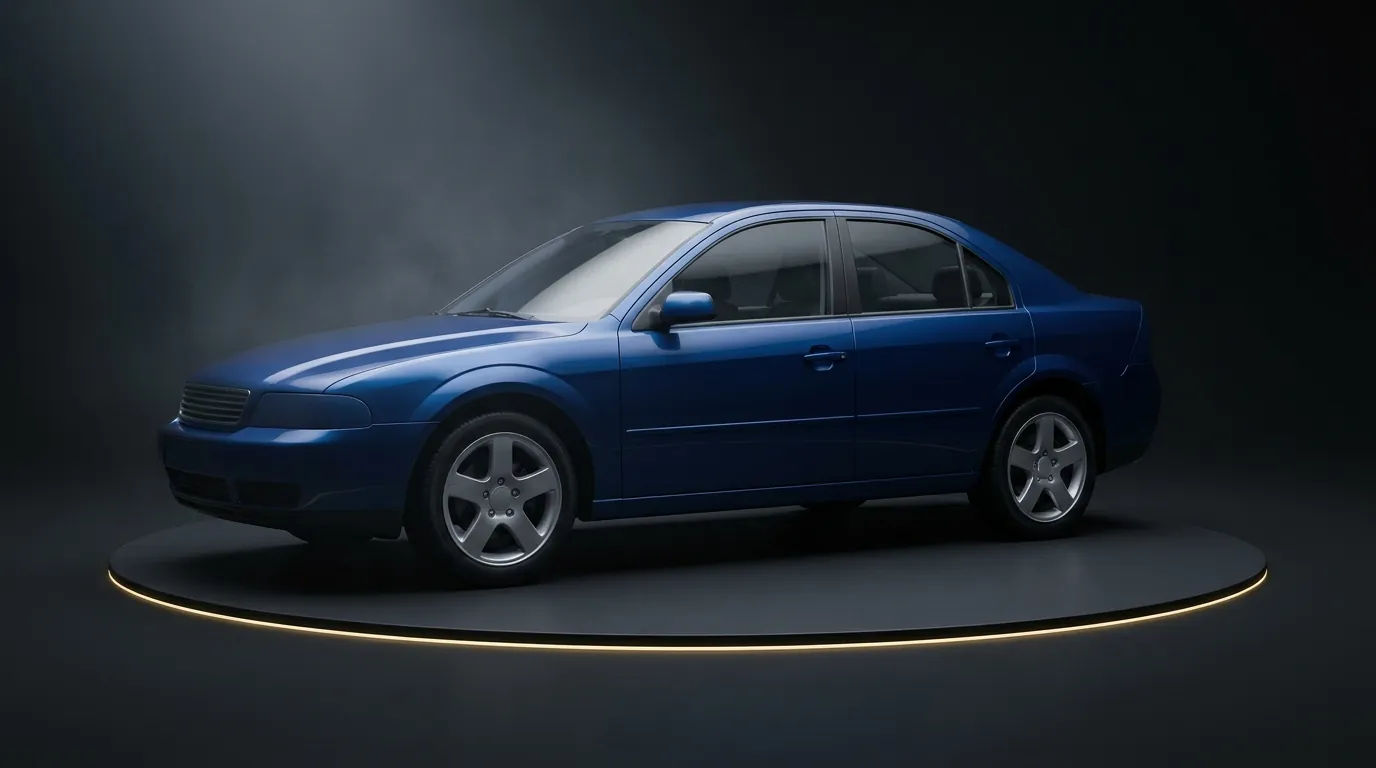
Covered. These are the passenger automobiles the Act was written for, bought or leased new, or registered here. The same rules apply to a compact sedan and a three-row SUV: three repairs, 20 days, or one visit for a defect likely to cause serious injury, inside two years or 24,000 miles. See our practice areas.

Pickups and Diesel Trucks

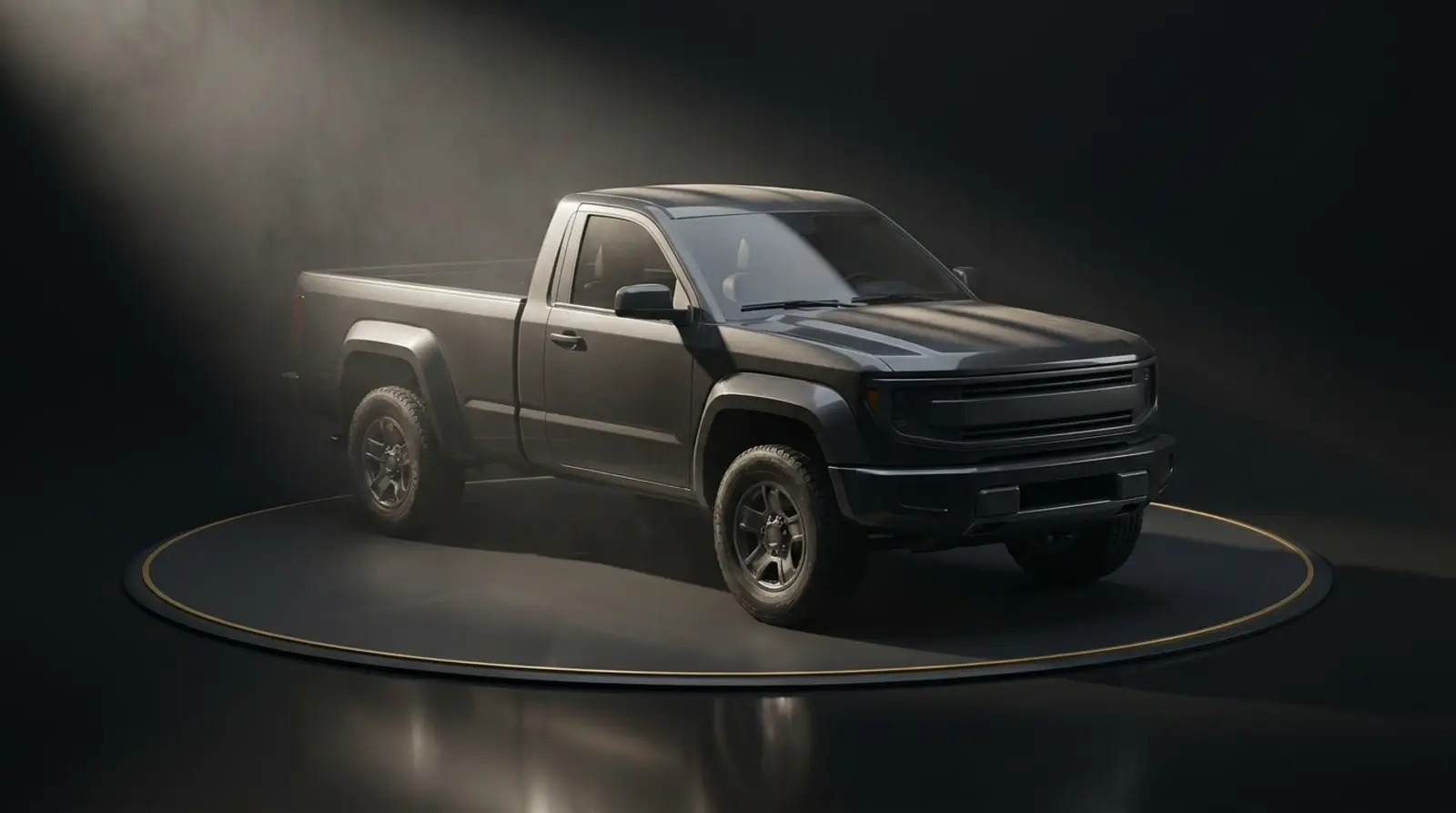
A pickup bought for personal use and registered as a passenger vehicle is usually treated like any other car. What takes a truck out, on the Division's own list, is commercial registration. If yours carries commercial plates, the state Lemon Law route may be closed, but a federal warranty claim may not be. Derate and DEF faults are the patterns we see most. See our diesel emissions lemon law guide.

Motorcycles

Covered by name. Section 56:12-30 lists the motorcycle alongside the passenger automobile, and the Division's brief is titled for "your new car or motorcycle." Same window, same tests, same refund. Georgia and Florida both leave motorcycles out of their lemon laws, so a bike with the same fault can be a lemon law case here and only a warranty case there. See our motorcycle lemon law guide.

Motorhomes

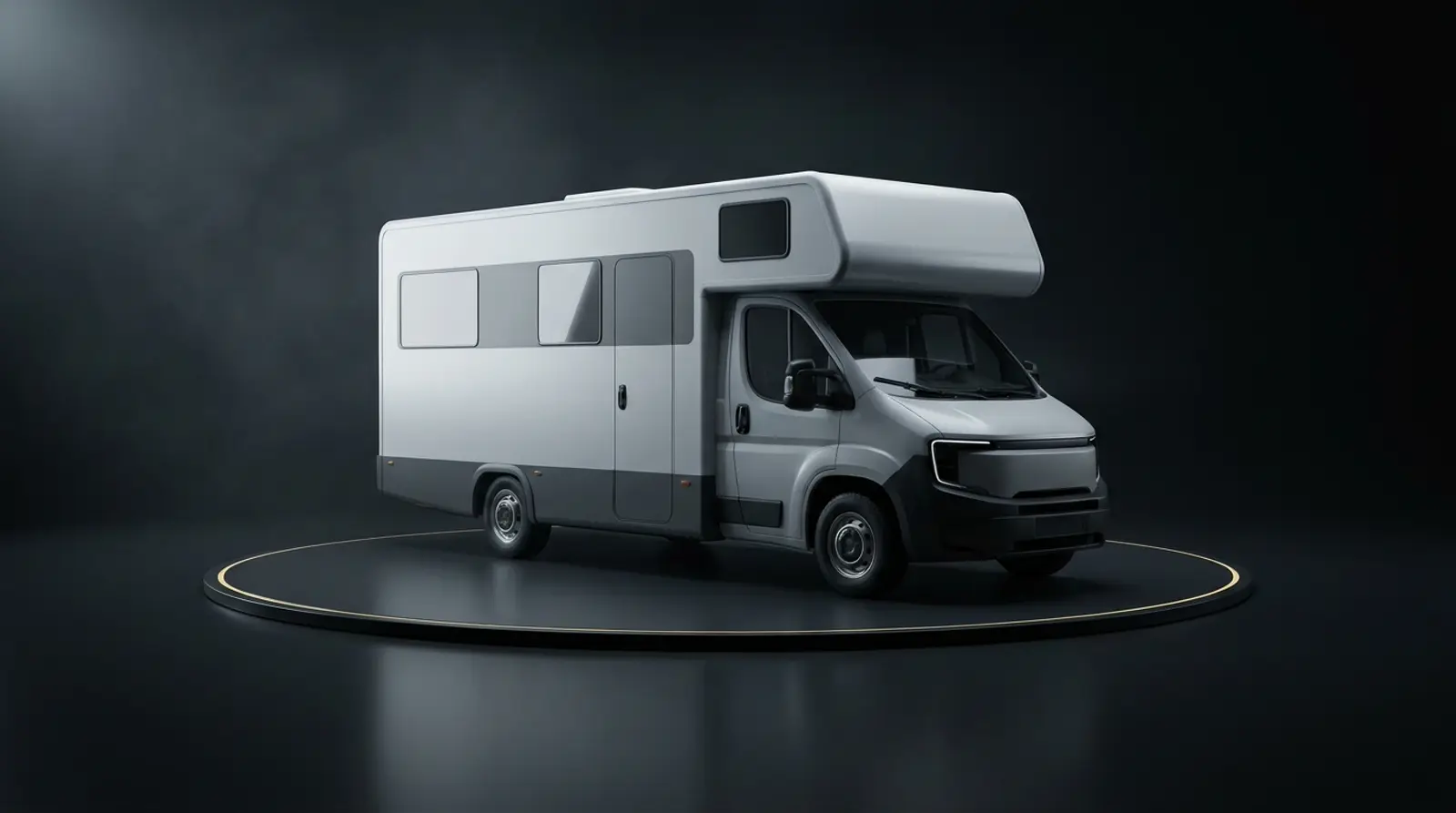
Covered, except the living facilities. The chassis, engine and drivetrain are in. The kitchen and bathroom are not. A motorhome gets 45 days out of service instead of 20, under section 56:12-33. Two more rules in 56:12-33(d) apply to it. Where more than one manufacturer built the coach, a visit to a shop that isn't authorized to service it doesn't count as an attempt. And if you keep traveling and take the same problem to a second authorized shop instead of waiting, the two visits count as one attempt. See our RV and motorhome lemon law guide.

Electric Vehicles

Covered on the same terms as any other new passenger car. Battery, charging, drive-unit and software faults are the patterns we see most. A software fault that comes back after every update is still "substantially the same nonconformity" for the three-repair count. Days in the shop waiting for a battery module count toward the 20. See our electric vehicle lemon law guide.

What Our Clients Say

Real results from real clients who trusted
RockPoint Law with their lemon law claims.

Used Cars

Is there a lemon law for used cars in New Jersey?

Yes, a second one, written just for used cars. The Used Car Lemon Law, N.J.S.A. 56:8-67 and following, passed in 1995, doesn't go after the manufacturer. It goes after the dealer who sold you the car, and it works by making that dealer give you a written warranty on the major powertrain parts. It's a different law with different numbers, so keep its rules apart from the new car rules above.

The warranty the dealer has to give you

Section 56:8-69 establishes the duration of the dealer's warranty based on the odometer reading at the time of sale.

Minimum used car warranty in New Jersey, whichever limit comes first
Miles on the car at the saleWarranty must cover
24,000 or less90 days or 3,000 miles
More than 24,000 but less than 60,00060 days or 2,000 miles
60,000 or more30 days or 1,000 miles

The warranty covers the engine, the transmission and transfer case, and the front- or rear-wheel drive parts listed in section 56:8-67, mostly the internal lubricated parts. A manual clutch isn't covered. You pay a $50 deductible for each repair of a covered item under section 56:8-70. If a dealer doesn't give you the warranty in writing, section 56:8-74 says it's treated as having given it anyway. You can only waive it on a car with more than 60,000 miles, and only in writing, under section 56:8-73. The Division warns that some buyers give it up while bargaining over price.

When a used car counts as a lemon

Under section 56:8-71, the dealer is presumed unable to fix a material defect in a covered part if, during the warranty period, the same defect has been subject to repair three or more times, or the car has been out of service waiting for the dealer to start or finish repairs for a cumulative 20 or more days. The warranty is extended for time the car spends waiting for repairs, under section 56:8-72. The defect has to substantially impair the car's use, value or safety. If the presumption is met, the dealer has to take the car back and refund the purchase price, minus sales taxes, title and registration fees, a deduction for excessive wear and tear, and a deduction for your personal use based on the IRS business mileage rate.

What the used car law leaves out

  • cars sold for less than $3,000;
  • cars seven or more model years old;
  • cars with more than 100,000 miles;
  • cars an insurer declared a total loss, where you were told in writing;
  • motorcycles, motor homes and off-road vehicles;
  • private sales: the seller has to be a dealer, meaning someone who sold or offered three or more used cars in the previous 12 months;
  • cars sold "as is" after a valid written waiver.

Sources: N.J.S.A. 56:8-67, 56:8-73 and 56:8-76; the Division's Used Car Lemon Law page and FAQ.

How a used car claim is brought

The Division's rules, N.J.A.C. 13:45A-26F, give you a choice here too: the Division's Lemon Law Unit with a hearing before an administrative law judge, the Division's alternative dispute resolution, the dealer's own dispute procedure, or the Superior Court. The Division states that a used car application costs nothing to file. One real difference from the new car law: the used car statute has no attorney's-fee provision of its own, and the Division's own brief says attorney fees "will not be part of your refund" in its program. That changes the math on how a used car claim should be run, and it's one of the first things we look at.

A used car can still fall under the new car law. The new car Act's definition of "consumer" includes a person the vehicle was transferred to while the manufacturer's warranty was still running. If you bought a lightly used car still inside two years and 24,000 miles from its original delivery, the manufacturer may owe you the full new car remedy. Tell us both dates, the original delivery and your purchase, and we'll check which law fits.

Start My Free Case Review 

Why RockPoint

Why New Jersey drivers choose RockPoint Law

Lemon law and consumer warranty work is our core practice, and we do it for drivers all over New Jersey. People sometimes ask whether it matters that they live up in Sussex County or way down in Cape May, and it doesn't, because the claim gets put together from the same repair statements and the same certified letter and then goes through the same Division or Superior Court procedure wherever you happen to drive.

Lemon Law Is Our Core Practice

We don't take on lemon cases here and there in between other kinds of work. Warranty and lemon law is what we do every day, for drivers who ended up with defective vehicles.

An Office in New Jersey, Cases From All 21 Counties

We keep a New Jersey office at One Gateway Center, but most of a claim gets built on paper anyway, and the Division holds its hearings in Newark, Trenton and Atlantic City. So somebody from High Point gets the same terms from us as somebody from Cape May.

We Know the New Jersey Clock

New Jersey has a lot of clocks running at once (two years or 24,000 miles; three repairs, one safety visit or 20 days; the certified letter and then the 10-day final repair; a hearing within 20 days, a decision within 20, the Director's sign-off within 15, and 45 days to appeal), and we track every one of those dates for you so you aren't the one sitting there with a calendar full of circles.

Clear Communication

You'll get straight updates from us at every stage of your case, without the long silences and without surprises.

No Upfront Legal Fees

If your case qualifies we handle it on contingency, which just means you don't pay a fee unless we recover for you. On a new car claim, section 56:12-42 has the manufacturer pay a prevailing consumer's reasonable attorney's fees.

Meet the Firm Behind Your Claim

The same attorneys who handle claims nationwide handle them here. Two minutes on who we are and how we work.

Side-by-Side

Do I need a lemon law attorney in New Jersey?

This part compares handling a New Jersey claim alone with handling it with an attorney. If you flip the switch you'll see the same four moments, first from one side and then from the other.

Vehicle repair invoices spread across a kitchen table with a hand hovering over them
On your own1 / 4

Waiting for the third repair before writing to anyone

Section 56:12-33(b) lets you send the certified letter after two repairs, 20 days, or one look at a safety defect. What a lot of drivers do instead is wait for a third failed visit before they write to anybody, and by then the odometer is past 24,000 or the second anniversary has already come and gone, when the Division wants the letter received inside that window.

A person on the phone at a home desk with a notepad of call notes
On your own2 / 4

Counting only the days for one defect

The 20 days are for "one or more nonconformities," so if the car sat in the shop for different faults, all of that time adds together. A driver who counts one defect at a time may conclude the car falls short on days when in fact it doesn't. On the other hand the rules leave out the days you took to go collect the car, so a sloppy count can cut both ways.

A wall calendar with deadline dates circled in red beside a set of car keys
On your own3 / 4

Complaining to the dealership instead of notifying the manufacturer

A year of angry calls to the service manager feels like notice, but it isn't. The presumption works only against a manufacturer that received your letter by certified mail, return receipt requested, and the Division won't accept an application without a copy and the signed receipt. A regular letter or an email won't suffice, and neither will a dealer complaint form.

One person alone at the end of a long empty hearing room table
On your own4 / 4

Taking a replacement or a buyback figure on the manufacturer's terms

You can refuse a replacement and insist on the refund, and the refund has to include trade-in credit, taxes, fees, finance charges, towing and rental as well. The use deduction runs off the mileage at your first repair visit, not whatever the odometer reads today. An offer that's built on current mileage, or that's missing the finance charges, can look reasonable on paper and still come in short.

Hands working through an organized stack of repair orders with a highlighter and index tabs
With RockPoint Law1 / 4

The letter sent at the earliest point the statute allows

Using your own paperwork, we figure out the date your odometer will reach 24,000 and the date of your second anniversary, and we send the letter at the earliest point section 56:12-33(b) allows so that it arrives with room to spare.

A certified mail envelope and return receipt card being prepared on a desk
With RockPoint Law2 / 4

Every qualifying day counted, from the repair statements

We go itemized statement by itemized statement and add up the days across every fault, and the only days we drop are the ones the rules exclude. Then the count goes into the repair chronology on the application.

An open case planner with color-coded deadline tabs being marked
With RockPoint Law3 / 4

Certified notice to the manufacturer, and the 10 days tracked

It's sent to the manufacturer's address, certified, return receipt requested, and we keep the receipt for the application. After that we keep track of the 10-day final repair window, and from there on the manufacturer deals with us instead of with you.

A bound exhibit folder open on a conference table
With RockPoint Law4 / 4

The refund checked line by line against section 56:12-32

We list out every item the statute includes, apply the 100,000-mile formula to the mileage from your first visit, and then compare whatever the manufacturer came up with against the statute, rather than against its own worksheet.

Serving All 21 New Jersey Counties

On the ground across New Jersey

Nine million people in 21 counties

Some numbers first, because they matter more than you'd think. The 2020 census counted 9,288,994 residents in New Jersey, and by July 2025 the Census Bureau estimated 9.55 million. That's 1,263 people per square mile, the most densely populated state in the country, which won't come as news to anyone who's sat in Turnpike traffic. All of those people are spread over 21 counties, from Sussex in the northwest corner down to Cape May at the southern tip.

Density means miles, and miles close the window

And they drive. The Federal Highway Administration's Highway Statistics 2024 has about 6.26 million registered vehicles and 6.95 million licensed drivers here, on 38,778 miles of public road, 432 miles of that Interstate. The New Jersey Turnpike Authority runs the 148-mile Turnpike and the 173-mile Garden State Parkway, and the South Jersey Transportation Authority runs the 44.5-mile Atlantic City Expressway. Then you've got I-95, I-295, I-80, I-78 and I-287, each running roughly 68 to 89 miles inside the state. Put a daily commute on top of all that and you can put real miles on a new car.

Here's why we bring it up. The protection window closes at 24,000 miles or two years, whichever comes first, and somebody doing 60 miles a day on the Turnpike and the Parkway gets to 24,000 miles in well under two years. That's why, when a new case comes in, the odometer is the first thing we look at and the calendar is second.

Where the cars come from, and who the state employs

A lot of the cars sold in America come in through here, for what it's worth. The Port of New York and New Jersey handled 410,092 autos in 2024, and New Jersey was the port's top destination state for imports, per the Port Authority's 2024 At a Glance. Several automakers run their U.S. operations out of New Jersey, too: BMW of North America in Woodcliff Lake, Subaru of America in Camden, and Volvo Car USA and Jaguar Land Rover North America both up in Mahwah. (Ferrari North America lists its address in Englewood Cliffs.) We like pointing out that when a New Jersey driver's certified letter goes to "the manufacturer," it sometimes only has to go a county or two away.

As for jobs, the big employers lean toward pharmaceuticals, medical technology, food and business services: Johnson & Johnson in New Brunswick, Merck in Rahway, Bristol Myers Squibb in Princeton, BD in Franklin Lakes, ADP in Roseland, Campbell's in Camden, Quest Diagnostics in Secaucus and Cognizant in Teaneck. That matters to us for one reason, really. The drive to work is usually when the defect shows up.

New Jersey stopped mechanical inspections in 2010

Here's something a lot of drivers don't realize. Back in 2010 the Motor Vehicle Commission dropped the mechanical defects check for passenger vehicles. What's left is an emissions test every two years, and the MVC says "new vehicles need a five-year inspection." In practice that means a new car gets no state inspection at all for the whole lemon law window, so there's no outside record of what condition it was in at a given mileage. The only paper trail is the one you and the dealer create, meaning the itemized repair statements the dealer owes you at every visit, your certified letter and its return receipt, and your own dated notes, and that's why the first thing we ask for is the stack of repair statements.

We take New Jersey lemon law claims from all over the state. That includes the twelve largest places after Newark, according to 2020 census population.

  • Jersey City
  • Paterson
  • Elizabeth
  • Lakewood
  • Edison
  • Woodbridge
  • Toms River
  • Hamilton
  • Trenton
  • Clifton
  • Cherry Hill
  • Camden

Several of them (Lakewood, Edison, Woodbridge, Toms River, Hamilton and Cherry Hill, for instance) are technically townships rather than cities, as is the case with much of New Jersey.

How to reach us

Our New Jersey office is at One Gateway Center, Market St #2600, Newark, NJ 07102, though you don't have to come in to bring a claim. Most of the work is paperwork, the Division of Consumer Affairs holds hearings in Newark, Trenton or Atlantic City, and we act for drivers in all 21 counties on the same terms. The quickest way to start is the online intake form (we review every request and respond as soon as we can), or you can call (201) 357-6447.

Want to follow the paperwork yourself first? That's fair. The Division's Lemon Law Unit publishes the application and a guidebook, and its staff answer questions at (973) 504-6226. The Unit doesn't give legal advice, though. On our end, the guide to how to file a lemon law claim covers the order things happen in, the one on whether a dealership can refuse to fix a recall covers a related problem, and our state guides for Pennsylvania and New York cover the neighboring states.

New Jersey city pages

Case Results

Recent RockPoint Law recoveries

A quick note before you read these. The numbers come out of the lemon law settlement record our firm publishes, across brands, which means they're firmwide results and not New Jersey outcomes, and we'd rather say that up front than have you assume otherwise. We put them here because they give you a feel for what a well-documented defect claim can be worth when it's handled properly. Your own case will have its own facts, of course, and that's what it gets judged on.

$160,264 BMW X6

Recovery on a vehicle with engine, electrical and suspension defects.

$144,550 Porsche Macan

Recovery on a Macan with suspension, drivetrain, electrical and HVAC problems.

$110,289 Rivian R1T

Recovery after electrical, engine and suspension failures on an electric pickup.

Figures are drawn from our firm's published settlement record and are not specific to New Jersey matters. Prior results do not guarantee or predict a similar outcome in any future case. See more RockPoint Law settlements 

RockPoint Law, by the numbers

$50M+**
Recovered for clients
3,000+‡
Cases handled
25+
Years of combined experience
97%*
Resolution rate
  • Free Consultation
  • No attorney's fees unless we recover for you.†
Recent Google reviewsAcross all RockPoint offices: 4.8 from 19 Google reviews
  • ★★★★★a month ago
    I had a really good experience with RockPoint Law. The whole process was a lot easier than I expected and everyone I dealt with was helpful and responsive. Whenever I had a question, I was able to get an answer without feeling like I was chasing anyone down. They handled everything and kept me updated along the way. Definitely glad I reached out to them.
    Ronen S. Malekmehr
  • ★★★★★6 months ago
    Saw RockPoint Law and wasn't sure. Called anyway because I was at my wit's end. Natalie Nassi answered and she remembered me from somewhere else. Same calm voice, same no-nonsense approach. She took my case and handled everything. Manufacturer bought the car back. Name on the door changed but Natalie didn't. That's what matters to me.
    Tanja Moldenhauer
  • ★★★★★6 months ago
    Saw RockPoint Law online and wasn't sure because I hadn't heard of them. But I was desperate. My car had been in and out of the shop for months. Called them up and the person I spoke with was so easy to talk to. No legal mumbo jumbo, just straight talk. They took my case and got me a buyback. New name but they know what they're doing. Would recommend.
    Rodolfo Paulino
2 more Google reviews
  • ★★★★★6 months ago
    Honestly wasn't sure about RockPoint Law since I hadn't heard of them before. But I was desperate. My car had been in the shop five times for the same problem and nobody could figure it out. Service advisor started avoiding my calls. I found RockPoint online, called, and the person I talked to was really down to earth. They took my repair orders and handled the whole thing. A few months later, the manufacturer bought the car back. New name but they got it done. Would use them again in a heartbeat.
    Om Shiv
  • ★★★★★6 months ago
    Saw RockPoint Law pop up when I was googling lemon law help. Wasn't sure about the name but figured I'd give it a shot. My Jeep Gladiator had a death wobble at highway speeds—front end would shake violently. Dealer replaced the steering stabilizer twice, still shook. The person I talked to at RockPoint was super calm and explained everything clearly. They handled the claim and Jeep bought the truck back. Glad I didn't let the new name scare me off. They got the job done.
    Víctor Torres

About this page

Written and edited by the RockPoint Law content team. Prepared September 2026 to reflect the New Jersey Lemon Law, N.J.S.A. 56:12-29 through 56:12-49.1, the Used Car Lemon Law, N.J.S.A. 56:8-67 through 56:8-80, and the Division of Consumer Affairs rules at N.J.A.C. 13:45A-26 and 13:45A-26F. See our editorial policy.

Anyone can check whether a lawyer is licensed in New Jersey, and their public discipline record, through the New Jersey Courts attorney resources. We think you should, for any firm you're considering, including this one.

Start here

Tell us what the car is doing in New Jersey

Three details about the vehicle, and how to reach you.

  • The year and make of your vehicle
  • What the dealer has already tried, and whether you paid for it
  • Your name, phone and email. We review every request and respond as soon as we can

No cost, no obligation. Contacting RockPoint Law does not create an attorney-client relationship.

Meet the Team
Behind RockPoint Law

A dedicated team that stands with you through every step of your Lemon Law claim.

Aaron Waldo
Aaron Waldo
Attorney
U.S. Marine Corps veteran · Automotive background
Liam Jones
Liam Jones
Attorney
Licensed in New York & New Jersey
Christian Garcia
Christian Garcia
Senior Case Manager
Case management from intake through resolution
Rudy Gutierrez
Rudy Gutierrez
Intake Manager
First point of contact for new clients & case evaluations

Case results in New Jersey

Past results do not guarantee a similar outcome. All case results

FAQ

New Jersey lemon law questions

The questions New Jersey drivers ask us most, and what you should know before you send anything.

Does New Jersey have a lemon law?

Yes. N.J.S.A. 56:12-29 and following covers new vehicles bought, leased or registered in New Jersey. If a defect that substantially impairs use, value or safety isn't fixed inside the first 24,000 miles or two years, the manufacturer takes the vehicle back and refunds the price, less a deduction for use.

Yes. The New Jersey Lemon Law is N.J.S.A. 56:12-29 and following, passed in 1988. It covers new passenger cars, motorcycles, farm tractors and authorized emergency vehicles bought or leased in New Jersey or registered with the Motor Vehicle Commission. If a defect that substantially impairs the vehicle's use, value or safety shows up in the first 24,000 miles or two years, whichever comes first, and the manufacturer can't fix it within a reasonable time, it has to take the vehicle back and refund the price, less a set deduction for use. You can bring the claim through the Division of Consumer Affairs' Lemon Law Unit, which sends it to an administrative law judge, or file in the Superior Court. A consumer who wins is awarded reasonable attorney's fees.

How many repair attempts make a car a lemon in New Jersey?

Three repairs of substantially the same defect, 20 calendar days out of service, or one examination or repair of a defect likely to cause death or serious bodily injury, all inside the first 24,000 miles or two years. The manufacturer also has to get your certified letter and one last chance to fix it.

Three, or fewer in two situations. Under N.J.S.A. 56:12-33(a) the manufacturer is presumed unable to fix the problem if, inside the first 24,000 miles or two years, substantially the same defect has been subject to repair three or more times and is still there. The second route is time: the vehicle has been out of service for repair of one or more defects for 20 or more calendar days in total. The third is safety: a defect likely to cause death or serious bodily injury if the vehicle is driven needs only one examination or repair. In every case the manufacturer must also get your certified letter and one last chance to fix it within 10 days. These are presumptions, so a claim can still succeed on different facts.

Is it 20 days or 30 days out of service in New Jersey?

Twenty. N.J.S.A. 56:12-33(a)(2) says 20 or more calendar days in total, for one or more defects, and the Division's rules use the same figure. A motorhome needs 45. Days you took to collect a car the shop said was ready don't count.

Twenty. You'll sometimes see 30 quoted, because several other states use 30 and summaries mix them up. The New Jersey statute, N.J.S.A. 56:12-33(a)(2), says the vehicle must be out of service by reason of repair "for one or more nonconformities for a cumulative total of 20 or more calendar days" since original delivery. A motorhome needs 45. The Division of Consumer Affairs' rules and its consumer brief use the same 20-day figure. Three details matter. The days are calendar days, not business days. Days lost to different defects add together. And under the Division's rules, days you took to pick the car up after the shop said it was ready don't count. The 20 days also count toward when you can send the certified letter.

How long do I have to file a New Jersey lemon law claim?

The protection period is the first 24,000 miles or two years from original delivery, whichever is earlier, and the Division says your certified letter must reach the manufacturer inside it. Treat the letter's arrival as the real deadline.

The protection period in N.J.S.A. 56:12-31 is the first 24,000 miles or two years from original delivery, whichever is earlier. The defect has to be reported inside it, and the Division's consumer brief says your certified letter must reach the manufacturer before 24,000 miles and within the two years. Treat the letter's arrival as your real deadline. The Act doesn't print a separate deadline for filing the application or a Superior Court case once the letter is out, so don't assume the time after that is open-ended; have a lawyer set the date for your file. Section 56:12-33(c) extends the two years for any time repairs weren't available because of war, strike, fire, flood or natural disaster. The used car law has its own, much shorter, warranty periods.

Do I have to send a letter to the manufacturer?

Yes. The presumption only applies once the manufacturer has received written notice by certified mail, return receipt requested, and had one chance to repair within 10 calendar days. The Division also wants a copy of the letter and the signed receipt with your application.

Yes, and it's the step most claims trip on. Under N.J.S.A. 56:12-33(b) the presumption only applies against a manufacturer that received written notice of a potential claim by certified mail, return receipt requested, and then had one opportunity to repair the defect within 10 calendar days of receiving it. You may send it after two repairs of the same defect, 20 days out of service, or one examination of a defect likely to cause serious injury. It goes to the manufacturer, not the dealer, and the Division tells consumers to use the address its Lemon Law Unit provides. Section 56:12-37(a) also makes that notice a prerequisite to filing with the Division, and the application asks for a copy plus the signed return receipt.

Do I have to go to court for a New Jersey lemon law claim?

No. You can apply to the Division of Consumer Affairs for a hearing before an administrative law judge, use the manufacturer's own program, or sue in the Superior Court. None is required before the others, but a Division decision binds both sides and bars a later suit under the Act.

No. New Jersey gives you a choice. You can apply to the Division of Consumer Affairs, which refers accepted cases to the Office of Administrative Law for a summary hearing before an administrative law judge, usually within 20 days of acceptance. The Division says hearings are held in Newark, Trenton or Atlantic City. You can use the manufacturer's own dispute program, or you can file in the Superior Court. Under N.J.S.A. 56:12-39 none of these is required before the others. The trade-off is finality. A Division decision is binding on both sides, subject to appeal to the Appellate Division, and it bars a later Superior Court case under the Act. Which route fits depends on the size of the claim and what else is in the file.

How much does a New Jersey lemon law claim cost?

The Division charges a $50 filing fee, recoverable as a cost if you win. Under N.J.S.A. 56:12-42 a prevailing consumer is awarded reasonable attorney's fees, expert witness fees and costs, which is why qualifying new car cases can run on contingency.

The Division's filing fee is $50, and the Lemon Law Unit asks for it only after your application is accepted, under N.J.A.C. 13:45A-26.8. It isn't refunded if you lose, but it's recoverable as a cost if you win. Attorney's fees are the bigger question, and New Jersey answers it in the consumer's favor. N.J.S.A. 56:12-42 says a prevailing consumer "shall be awarded reasonable attorney's fees, fees for expert witnesses and costs," whether the case was in the Division or the Superior Court. That's why we can take qualifying new car cases on contingency: you don't pay a fee unless we recover for you. The used car law is different. It has no fee provision of its own, so talk to us before you file one.

How is a New Jersey lemon law buyback calculated?

The refund covers the price with trade-in credit, options added in the first 30 days, sales tax, fees, finance charges, towing and rental costs. One deduction comes off: the mileage at your first repair visit for the defect, times the price, divided by 100,000.

Start with everything N.J.S.A. 56:12-32 puts in the refund: the purchase price with any trade-in credit, options the dealer added in the first 30 days, sales tax, license and registration fees, finance charges, towing, and what you spent renting an equivalent car while yours was out of service. Then take off one deduction for use. Section 56:12-30 fixes it: the mileage when you first brought the car in for the defect, times the purchase price, divided by 100,000. On a $45,000 car first brought in at 6,000 miles, that's $2,700. Miles you drive after that first visit don't raise it. You can also refuse a replacement and insist on the refund, and a prevailing consumer's attorney's fees are awarded on top.

Does the New Jersey lemon law cover used cars?

Yes, under a separate statute. The Used Car Lemon Law makes the dealer warrant the engine, transmission and drive parts for 30 to 90 days depending on the mileage, and three failed repairs or 20 days out of service can mean a refund from the dealer.

Yes, under a separate statute. The Used Car Lemon Law, N.J.S.A. 56:8-67 and following, makes a dealer warrant the engine, transmission and drive parts of most used cars it sells: 90 days or 3,000 miles on a car with 24,000 miles or less, 60 days or 2,000 miles below 60,000, and 30 days or 1,000 miles at 60,000 or more. Three failed repairs of the same defect or 20 days out of service can mean a refund from the dealer. It doesn't cover cars under $3,000, seven or more model years old, over 100,000 miles, private sales, motorcycles or motor homes. A car bought used while still inside two years and 24,000 miles from original delivery may also qualify under the new car law.

Does the New Jersey lemon law cover leased vehicles?

Yes. A lessee gets the same remedies as a buyer. The lease ends with no early-termination penalty, and the manufacturer refunds what you paid under it, less the same use deduction, then settles with the leasing company itself.

Yes. A lessee is a consumer under N.J.S.A. 56:12-30, and section 56:12-32(b) gives a lessee the same remedies against the manufacturer as a buyer. If you win, you return the vehicle, the lease is terminated, and no early-termination penalty can be charged. The manufacturer refunds what you actually paid under the lease, including the listed charges you paid, less the same use deduction a buyer takes: the mileage at your first repair visit for the defect, times the lease price, divided by 100,000. The manufacturer then settles with the leasing company separately. Leases count only if they run longer than 60 days. The same window applies, so the certified letter still has to arrive before 24,000 miles and within two years of delivery.

Are motorcycles and motorhomes covered by the New Jersey lemon law?

Motorcycles are covered by name. Motorhomes are covered except for the living facilities, and they need 45 days out of service instead of 20. The Used Car Lemon Law covers neither.

Motorcycles are covered by name. N.J.S.A. 56:12-30 lists the motorcycle alongside the passenger automobile, and the same window, tests and refund apply. That isn't true everywhere; Georgia and Florida both leave motorcycles out. Motorhomes are covered too, except for the living facilities, so the chassis, engine and drivetrain are in and the kitchen and bathroom are not. A motorhome needs 45 days out of service instead of 20. Where more than one company built it, a visit to a shop the manufacturer hasn't authorized doesn't count as an attempt. If you keep traveling and take the same problem to a second authorized shop, the two visits count as one. The Used Car Lemon Law excludes both motorcycles and motor homes.

What happens if the manufacturer ignores or appeals the decision?

It pays for the delay. A manufacturer that unreasonably misses the compliance date owes $5,000 a day, its appeal won't be heard without a bond equal to the award plus $2,500, and a frivolous appeal brings treble damages.

Delay is expensive for the manufacturer. The Director's final decision sets a specific date to complete every remedy, and under N.J.S.A. 56:12-37(b) a manufacturer that unreasonably misses it is liable for $5,000 for each day. Either side may appeal to the Appellate Division, within 45 days under the Division's rules. A manufacturer's appeal won't be heard unless it posts a bond equal to the award plus $2,500 for your fees and costs, secured by cash and payable to you. If the refund is upheld, you can also recover rental costs from the day you offered the car back, unless the manufacturer lent you a comparable car free. If the court finds the appeal had no reasonable basis or was frivolous, it must award treble damages.

Don't take on the manufacturer alone.

Tell us the vehicle and what the dealer has already tried. No fee unless we recover for you.†

Free & Confidential — No attorney’s fees unless we recover for you.