Philadelphia Lemon Law

Philadelphia Lemon Law Attorney

RockPoint Law handles lemon law as its core practice, from an office on South Juniper Street in Center City. If your new car keeps going back for the same stall on Roosevelt Boulevard, the same warning light on the Schuylkill, or the same dead battery on a February morning in Fishtown, Pennsylvania law gives you a way out.

Free Case Evaluation

Three quick questions. No cost, no obligation.

  1. The year and make of your vehicle
  2. What the dealer has already tried
  3. How to reach you, and we review it
Start My Free Case Review  Call (215) 608-7423

Sending this does not create an attorney-client relationship. A case evaluation is a first step, not legal representation.

A Philadelphia claim is heard in Philadelphia, by the Court of Common Pleas a few hundred yards from our door. Claims of $50,000 or less go first to three lawyers at the Arbitration Center on John F. Kennedy Boulevard. Either way, the manufacturer pays the legal fees when you win, and you choose between a refund and a replacement.

  • Three repairs or 30 calendar days
  • Center City office near City Hall
  • No fee unless we recover
Key facts

A Philadelphia lemon law claim at a glance

The statute is statewide. The route through it runs through City Hall. These are the figures a Philadelphia claim meets, in order, from the first test of the vehicle to the last day to appeal an arbitration award.

Key facts of a Philadelphia claim under the Pennsylvania Automobile Lemon Law and the First Judicial District's rules
Key figureWhat it meansWhere it comes from
Registered hereor first registered hereA new vehicle registered in Pennsylvania is covered, and so is one bought across the river and registered here for the first time.Section 2, 73 P.S. § 1952
1 year12,000 miles or the warranty termThe fault must show up inside whichever of the three ends first. A collar-county commute can use up the miles before the calendar.Section 4(a)(2), 73 P.S. § 1954
3 repairssame fault, still thereThree repair attempts on the same nonconformity, by the manufacturer or any authorized dealer, with the fault still present.Section 6(a)(1), 73 P.S. § 1956
30 dayscalendar, any faultOr 30 or more cumulative calendar days out of service for any nonconformity. Weekends count and unrelated faults add up.Section 6(a)(2)
7 daysdealer's certified letterAfter the second visit to the same dealer for the same fault, the dealer must tell the manufacturer within seven days. You write nothing.Section 7, 73 P.S. § 1957
Room 296City HallThe complaint goes to the Court of Common Pleas of Philadelphia County, filed electronically or at the Civil Filing Center at Broad and Market.Section 8, 73 P.S. § 1958
$50,000or less goes to arbitrationHeard first by three court-certified attorneys at 1880 John F. Kennedy Boulevard, on a date stamped on the complaint when it is filed.Phila. Civ. R. *1301; 42 Pa.C.S. § 7361
30 daysto appeal an awardFrom the docket note that notice of the award went out. The appeal buys a new trial before a judge.Pa.R.C.P. 1308; 42 Pa.C.S. § 7361(d)
10¢ or 10%whichever is lessThe most the manufacturer can take off for your use, counted only on miles before your first report of the fault.Section 5, 73 P.S. § 1955
The Short Answer

What is the lemon law in Philadelphia?

Philadelphia drivers are covered by the Pennsylvania Automobile Lemon Law. If a new vehicle registered in Pennsylvania has a warranty defect that substantially impairs its use, value or safety, and the defect survives three repair attempts or keeps the car off the road for 30 or more calendar days, the manufacturer must replace it or refund the price, and the choice between the two is yours. The claim is a lawsuit in the Court of Common Pleas of Philadelphia County, and a purchaser who brings it recovers reasonable attorneys' fees and court costs from the manufacturer.

The city has no lemon law of its own. The statute is the Automobile Lemon Law, Act 28 of 1984, cited in practice as 73 P.S. § 1951 and following, and the Commonwealth's published text now runs through the motorcycle amendment, Act 151 of 2024. You won't find a state lemon law agency anywhere in it. Pennsylvania runs no arbitration board, and PennDOT's Lemon Law fact sheet says that where a manufacturer has no suitable dispute program, you may go to court at the outset.

From Broad and Market to John F. Kennedy Boulevard

Section 8 sends the claim to “a court of common pleas.” Here that means the Trial Division, Civil Section, of the Court of Common Pleas of Philadelphia County, part of the First Judicial District. Papers go in electronically or at the Civil Filing Center in Room 296, City Hall. If the amount in controversy is $50,000 or less, the first hearing usually happens somewhere else: Philadelphia Civil Rule *1301 assigns those cases to the Compulsory Arbitration Program at 1880 John F. Kennedy Boulevard, fifth floor, where three court-certified attorneys hear the case and make an award that either side can appeal for a new trial before a judge.

Every courthouse a Philadelphia claim is likely to touch sits within about a mile of our office: City Hall, the Arbitration Center, the Superior Court's Philadelphia office on Walnut Street, and the federal courthouse on Market Street.

Three things that catch Philadelphia drivers out

  • No serious-safety shortcut. A dangerous fault still needs three attempts or thirty days.
  • A window with three prongs. The fault must appear within one year of delivery, 12,000 miles, or the warranty term, whichever comes first.
  • No letter from you. Section 7 puts the notice duty on the dealer.

The deduction for your use is capped at 10 cents a mile or 10% of the price, whichever is less, and only miles before your first report count. Our Pennsylvania lemon law guide walks through the statute section by section, and Pittsburgh drivers go through the same statute in a different courthouse.

Camden and Wilmington are different states

Philadelphia shares a metro area with South Jersey and northern Delaware, but not a lemon law. A car registered in New Jersey falls under New Jersey's statute, and a car registered in Delaware under Delaware's, each with its own repair counts, deadlines and procedure. Camden drivers should start with our New Jersey lemon law page and Wilmington drivers with our Delaware lemon law page. The reverse case helps Philadelphians: section 2 covers a vehicle bought in another state and registered for the first time in Pennsylvania.

Where the Act stops, the federal Magnuson-Moss Warranty Act often keeps going, and section 11 makes every Lemon Law violation a violation of Pennsylvania's Unfair Trade Practices and Consumer Protection Law as well. The lemon law glossary explains the vocabulary.

Eligibility

What qualifies for the lemon law in Philadelphia?

Section 6 of the Act, 73 P.S. § 1956, gives you two ways to show the manufacturer has had enough chances, and you only need one of them. Both sit inside the rights period, and the vehicle itself has to be one the Act reaches. And no, a dangerous fault doesn't shorten any of this, because Pennsylvania has no safety shortcut.

Each of the cards below contains an example taken from Philadelphia streets, plus a self-check you can perform using your own service tickets if you have them handy.

Three Repairs of the Same Fault

The same nonconformity has been subject to repair three times by the manufacturer, its agents or its authorized dealers, and it still exists. That's section 6(a)(1). All three visits have to be for the same fault, and that's why a service ticket that calls it “hesitation” one week and “no problem found” the next is where this route is usually fought. So read each ticket before you sign for the car and drive off.

A Philadelphia example A new crossover back at a Roosevelt Boulevard dealer three times for the same transmission shudder in stop-start traffic, still shuddering at 8,000 miles

Thirty Calendar Days Out of Service

The vehicle is out of service “by reason of any nonconformity” for a cumulative 30 or more calendar days, under section 6(a)(2). Unrelated faults add together, the days needn't run in a row, and weekends count. A manufacturer can claim extra days under section 6(b) for war, terrorism, civil unrest, fire, flood or natural disaster, and more on a sworn affidavit filed with the Office of Attorney General. Section 6(b)(3) gives it neither unless it lent you a vehicle at no charge for that time.

A Philadelphia example A sedan that spends eleven days at a Northeast Philadelphia dealer for an electrical fault, then twenty-one more for a coolant leak, with no loaner either time

Inside the Rights Period

Section 4(a)(2), 73 P.S. § 1954(a)(2), covers a fault that occurs within one year of actual delivery, within the first 12,000 miles, or during the term of the warranty, whichever comes first. If you've got a long drive in from Bucks or Chester County, that can use up 12,000 miles in eight months, while a car that's kept for short trips in the city may reach its first birthday first. So check the delivery date and the odometer and the warranty booklet, all three of them. A motorcycle follows a different clock.

A Philadelphia example A car delivered in March that reaches 12,000 miles in November on a daily run from Doylestown to University City. The mileage prong closed the window first

A Vehicle the Act Reaches

Section 2, 73 P.S. § 1952, reaches a new and unused vehicle designed to carry no more than 15 people, bought or leased mainly for personal, family or household use, and registered in Pennsylvania, or bought elsewhere and registered here for the first time. Dealer demonstrators count. There's no weight limit. Motor homes, off-road vehicles and dual sport motorcycles ridden off road are left out.

A Philadelphia example A pickup bought at a New Jersey dealer and registered for the first time to a Mayfair address is in. The same truck titled to a roofing business is generally out

Build the file as you go

Keep in mind these are presumptions, so both sides can argue them. A strong record can carry a claim on fewer visits, and a manufacturer will argue that three visits were really three different faults. Section 7 entitles you to an itemized statement of parts and labor every time the car comes back, so ask for any you didn't get.

Hang on to the purchase or lease agreement, the drop-off and pick-up dates, and the odometer reading at your first report, because section 5 measures the use deduction from that reading. Cars inspected in the Philadelphia Region also get emission inspection reports, and those are worth adding, since they're printed by a station unconnected to your dealer straight from the car's own diagnostic system.

If you send us the repair statements from whatever Philadelphia-area dealer you've been going to, we'll tell you which route your record meets.

Where your case is heard

Where is a Philadelphia lemon law claim heard?

Most people figure they'll file with some state office first, and they're surprised to hear Pennsylvania doesn't have one. A lemon law claim starts as a civil action in the county court, and here in Philadelphia that court also runs a separate track for smaller cases, which most drivers have never heard of.

Room 296, City Hall

Section 8 of the Act, 73 P.S. § 1958, names “a court of common pleas.” For a Philadelphia driver that's the Court of Common Pleas of Philadelphia County, the First Judicial District. Its Trial Division, Civil Section, takes filings through its electronic system or at the Civil Filing Center, Room 296, City Hall. Nobody at an agency screens the claim first, and there isn't a state panel to get through.

Three Attorneys at 1880 JFK Boulevard

42 Pa.C.S. § 7361 lets a court send civil cases to “a board of three members of the bar” first, up to $50,000. Philadelphia uses the whole range. Philadelphia Civil Rule *1301 assigns cases at $50,000 or less, apart from real estate title cases and types the court excludes, to its Compulsory Arbitration Program at the Arbitration Center, 1880 John F. Kennedy Boulevard, fifth floor. Rule *1302 requires arbitrators to keep their principal office in Philadelphia County, and a panel chair needs five years of practice.

The Hearing Date Is Fixed on Day One

The complaint is stamped with its arbitration date when it's filed. Under Pennsylvania Rule of Civil Procedure 1303(a)(2), which Philadelphia's local Rule *1303 applies, an absent party's case can go ahead before a judge on the hearing date, and there's no right to a trial de novo from a judge's decision. A party counts as present if it or its lawyer attends.

An Award Isn't the Last Word

Section 7361(d) gives any party the right to appeal for trial de novo, a new trial before a judge of the Court of Common Pleas. Under Rule 1308 the notice is due within 30 days of the docket note that notice of the award went out, and the appealing party pays the arbitrators' compensation, up to half the amount in controversy, which can't be recovered as costs.

After City Hall: the Superior Court on Walnut Street

A final order of the Court of Common Pleas is appealed to the Superior Court, which under 42 Pa.C.S. § 742 hears appeals from the courts of common pleas “regardless of the nature of the controversy or the amount involved.” Its Philadelphia office is at 530 Walnut Street, Suite 315. With no appeal from an arbitration award, judgment on the award is enforced like any other judgment.

The manufacturer's program is a separate thing

Section 9, 73 P.S. § 1959, makes a manufacturer's informal dispute program a step you must take before suing only if it complies with 16 C.F.R. Part 703. Since Pennsylvania certifies no program, you answer the question by reading the program's rules against the federal regulation. Either way, the result “shall not be binding on the purchaser,” and you keep your section 8 action. And please don't confuse a letter about the manufacturer's program with a notice from the court about its own arbitration, because they have nothing to do with each other.

Fees: shall, not may

Section 8 says a purchaser who brings the action “shall be entitled to recover reasonable attorneys' fees and all court costs,” in addition to other relief. The Act gives the manufacturer no matching right to recover its own fees from you.

You write no letter. The dealer does.

The Act doesn't have a consumer notice step at all, so there's no form, no demand letter and no final-repair letter for you to send. Section 7, 73 P.S. § 1957, puts the duty on the dealer. When your car comes back to the same dealer a second time for the same fault, that dealer has seven days to notify the manufacturer by certified mail, return receipt requested. If the fault stops you driving the car in, section 4(b) makes written notice count as returning it, and the manufacturer pays for the transport. One caution, since Philadelphia sits right up against two state lines: section 4(b) speaks of the manufacturer's authorized facility within the Commonwealth, so use Pennsylvania dealers for warranty visits where you can, and ask us before you count on visits made in New Jersey or Delaware.

The other Philadelphia courts a warranty dispute can reach, including federal court
  • Municipal Court, not district judges. Philadelphia has no magisterial district judges. 42 Pa.C.S. § 1123(a)(4) gives the Philadelphia Municipal Court small claims jurisdiction up to $12,000. A buyback almost never fits under that.
  • Above $50,000. The case stays with the Trial Division's judges, on a case management schedule and, if it gets that far, a trial in City Hall.
  • Federal court. A Magnuson-Moss claim can go to the Eastern District of Pennsylvania, which 28 U.S.C. § 118(a) draws around Berks, Bucks, Chester, Delaware, Lancaster, Lehigh, Montgomery, Northampton and Philadelphia counties. In Philadelphia it sits at the James A. Byrne U.S. Courthouse, 601 Market Street. 15 U.S.C. § 2310(d)(3)(B) keeps a Magnuson-Moss claim out of federal court below $50,000, so most single-car claims stay in state court.
  • The Attorney General. The Bureau of Consumer Protection keeps a regional office in Philadelphia and takes consumer complaints. It generally sues only where the public interest calls for it, so your own Lemon Law claim is yours to bring, not theirs.
What happens to a bought-back car, and the consumer protection claim that comes with it

Resale. Section 10, 73 P.S. § 1960, bars resale in Pennsylvania of a vehicle repurchased under this Act or another state's, unless the manufacturer re-warrants it for 12,000 miles or 12 months, hands the buyer a separate all-capitals disclosure, and gets a PennDOT branded title. PennDOT's fact sheet says the brand is never removed. Failing to tell the next buyer costs $2,000 per violation. Under section 10(b), a car returned for a complete braking or steering failure likely to cause death or serious injury may not be resold here at all.

Waivers. Section 10(c) voids any agreement that waives or limits your rights under the Act, and section 13 says the Act “shall not be waived.” Consumer protection. Section 11 makes a Lemon Law violation a violation of the Unfair Trade Practices and Consumer Protection Law too, and section 12 keeps every other remedy, so a Philadelphia complaint often carries more than one count.

The Act sets no deadline of its own for filing the lawsuit; none of its fourteen sections contains a limitation period. A Lemon Law count, a consumer protection count and a federal warranty count may not run on the same clock, and a manufacturer's dispute program doesn't stop time, so it's worth getting that question answered early instead of guessing.

Got a letter about arbitration and can't tell whether it came from the manufacturer or the court? We can answer that at no cost, before you spend a month on it.

  • Bring the itemized repair statements and the dates, which is usually enough for us to see which route your record meets.
  • Keep in mind the warranty term is one of the three prongs, so the window can close earlier than the odometer suggests.
  • If an award has already been docketed, tell us the date, because the 30 days under Rule 1308 run from it.
  • You'd be talking with the people who would work the file, either in person on South Juniper Street or over the phone.
Start My Free Case Review 
A Philadelphia driver on the phone at home while a Pennsylvania Lemon Law claim is prepared for the Court of Common Pleas of Philadelphia County
Your Call

Come to Juniper Street, or never leave home

Some clients like to come in, put the folder of repair statements down on a desk and talk it through, and that's easy enough since our office is a few hundred yards from City Hall. Plenty of others never visit, and that's fine. The complaint gets drafted and filed for you, the manufacturer's lawyers deal with us instead of you, and many claims settle before any hearing, because section 8's fee rule changes the math for the manufacturer too.

On our end we read the statements, count the days the way section 6(a)(2) counts them, check whether a dispute program ever applied, and file in the First Judicial District. Your part is the first conversation and the paperwork you've already got.

How It Works

How long does a Philadelphia lemon law case take?

The Act sets no hearing timetable. In Philadelphia the pace comes from the First Judicial District: a claim of $50,000 or less carries its arbitration date from the day the complaint is filed, and an award can be appealed within 30 days. Before any of that, the days that qualify a car add up quickly. Here is the 30-day route counted on the eligibility example above, then the five stages from the delivery paperwork to John F. Kennedy Boulevard.

  1. Day 0The sedan goes into a Northeast Philadelphia dealer for an electrical fault. No loaner
  2. Day 11It comes back after eleven days. The count stands at 11 calendar days, weekends included
  3. Day 30Midway through a second visit for an unrelated coolant leak, the cumulative count reaches 30 and section 6(a)(2) is met
  4. Day 32The second visit ends after twenty-one days, for 32 days out of service in total

Date the Window From the Delivery Record

Pull the actual delivery date, today's odometer reading and the warranty term. Section 4(a)(2) covers a fault that shows up within one year, 12,000 miles or the warranty term, whichever arrives first. Philadelphia-area driving cuts both ways: a daily run in from the collar counties burns through the miles, while a car used for short trips around the city usually runs out of calendar first. The fault only has to appear inside the window. Repairs that run past it still count.

Gather Every Itemized Statement

Section 7 entitles you to a fully itemized statement of all work, parts and labor, every time the car comes back from service. Collect them from every franchised dealer that has touched the car, with drop-off and pick-up dates and the mileage, and ask for any you weren't given. If your car is inspected in the Philadelphia Region, add the emission inspection reports, which a station unconnected to your dealer prints from the car's own diagnostic system.

Watch for the Second Visit

The Act asks you for no letter. It asks the dealer for one. Once the car returns to the same dealer a second time for the same fault, the dealer must notify the manufacturer within seven days by certified mail, return receipt requested. That makes the second visit the one that matters on paper. If the fault stops you driving the car in, section 4(b) lets written notice stand in for the visit, and the manufacturer pays to move the car.

Test the Manufacturer's Program Before Using It

If the manufacturer says you have to use its dispute program first, section 9 only requires that where the program complies with 16 C.F.R. Part 703. Nobody in Pennsylvania certifies these programs, so the answer comes from reading the rules against the regulation. The outcome doesn't bind you either way. Keep it separate from any notice the Philadelphia court sends about its own arbitration program.

File in the First Judicial District

The complaint is filed in the Court of Common Pleas of Philadelphia County under section 8, and a purchaser who brings it shall be entitled to recover reasonable attorneys' fees and all court costs. At $50,000 or less it carries an arbitration hearing date at 1880 John F. Kennedy Boulevard, before three attorneys. Be there, because an absent party can lose the right to a new trial. After an award, either side has 30 days to appeal for trial de novo before a judge.

Each stage is a place where a Philadelphia claim can slip. A third repair written up with a different complaint code. Thirty days counted as business days. A missed arbitration morning. Six months inside a manufacturer program that never applied. A use deduction worked out on today's odometer instead of the reading at first report.

You can run this yourself, and some drivers do. Nobody can tell you in advance how a case will end. What a lemon law firm can do is read the statements against both of section 6's routes, count the days the statute's way, and keep the hearing dates and appeal windows under control.

Outcomes

What compensation can you receive?

Your option: the money or a comparable car

When a Pennsylvania claim succeeds, section 5 of the Act, 73 P.S. § 1955, requires the manufacturer, at the option of the purchaser, to replace the vehicle with a comparable one of equal value, or take it back and refund the full purchase or lease price, including all collateral charges. A manufacturer that would rather swap the car than write a check doesn't get the final say.

It's a real decision. A comparable new car today may cost more or less than yours did, you may not want the same model again, and a lender may be owed part of the refund. Section 5 pays refunds “to the purchaser and lienholder, if any, as their interests may appear,” so the loan is settled out of the same payment.

The use deduction, worked through

Section 5 takes off a reasonable allowance for your use, capped at 10 cents per mile or 10% of the purchase or lease price, whichever is less, counting only miles driven “prior to his first report of the nonconformity to the manufacturer.”

  1. Find the odometer reading on the day you first reported the fault.
  2. Multiply those miles by 10 cents.
  3. Check it against 10% of the price. The manufacturer can take no more than the smaller figure.

A $38,500 car first reported at 4,200 miles: 10 cents a mile is $420, against a 10% ceiling of $3,850, so the deduction is $420. Reported at 11,500 miles instead, it's $1,150, still well under the ceiling, which only takes over past 38,500 pre-report miles on that car. So the per-mile figure almost always governs, and the first report fixes it. Report a fault the first time it appears, and get the report in writing.

Payment, the defenses, and fees on top

Once you elect a refund, section 5 requires payment within 30 days. The same section gives the manufacturer two defenses: the fault doesn't substantially impair use, value or safety, or it came from abuse, neglect, modification or alteration by you. For a motorcycle, a change made after delivery counts as modification. Section 8 entitles a purchaser who brings the action to reasonable attorneys' fees and all court costs, in addition to other relief, and on a federal warranty claim 15 U.S.C. § 2310(d)(2) lets a consumer who finally prevails recover costs and fees as well, in City Hall or at 601 Market Street.


Possible Outcomes

Five things a successful Philadelphia claim can bring

  • A refund, if you choose it

    The purchase or lease price with all collateral charges, less the capped use allowance

  • Or a comparable car

    A replacement of equal value, when that suits you better than the money

  • A deduction frozen at first report

    10 cents a mile or 10% of the price, whichever is less, on pre-report miles only

  • Paid within 30 days

    Of your refund election, with any lender paid its share from the same money

  • Fees and court costs

    Which section 8 says the purchaser shall be entitled to recover from the manufacturer

Every case turns on its own facts, so no attorney can tell you in advance what yours will bring.

We Take On the
Biggest Names

Vehicles We Handle

Which vehicles does the lemon law cover in Philadelphia?

PennDOT's 2025 Report of Registrations counted 752,440 vehicles registered in Philadelphia County at the end of 2025, and 639,982 of those were passenger vehicles. Section 2 of the Act draws its line by passengers, not weight: a new and unused vehicle designed to carry no more than 15 people, used mainly for personal, family or household purposes. In the harder cases, what usually decides it is whose name is on the title and what the vehicle is used for. Pick a category below and you'll see where it stands.

Cars, SUVs and Minivans

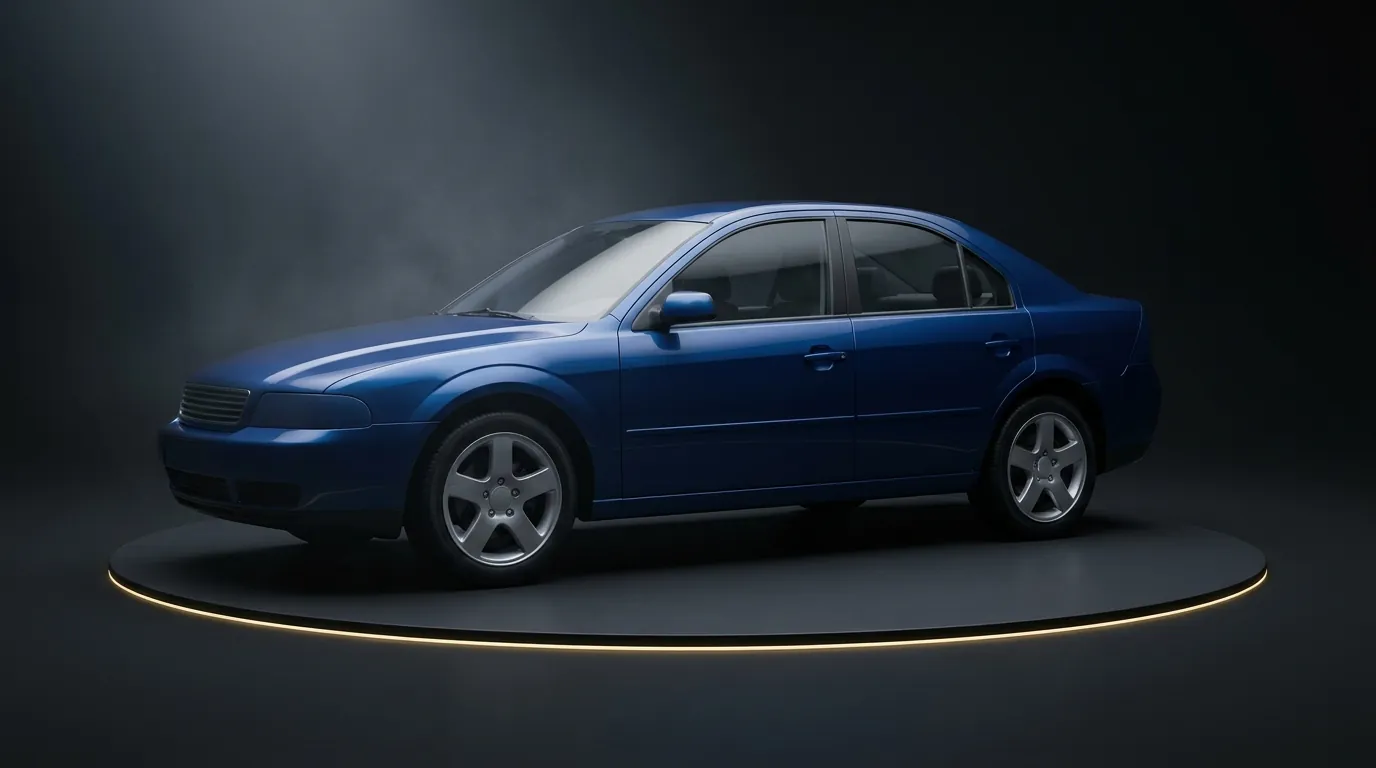
These are covered when they're bought or leased new and registered in Pennsylvania, and that includes cars bought across the river and registered here for the first time. Leases are in through section 2's definition of “purchaser,” and a dealer demonstrator counts as new. The fault has to substantially impair use, value or safety and breach the express warranty. See our practice areas.

Pickups and Diesel Trucks

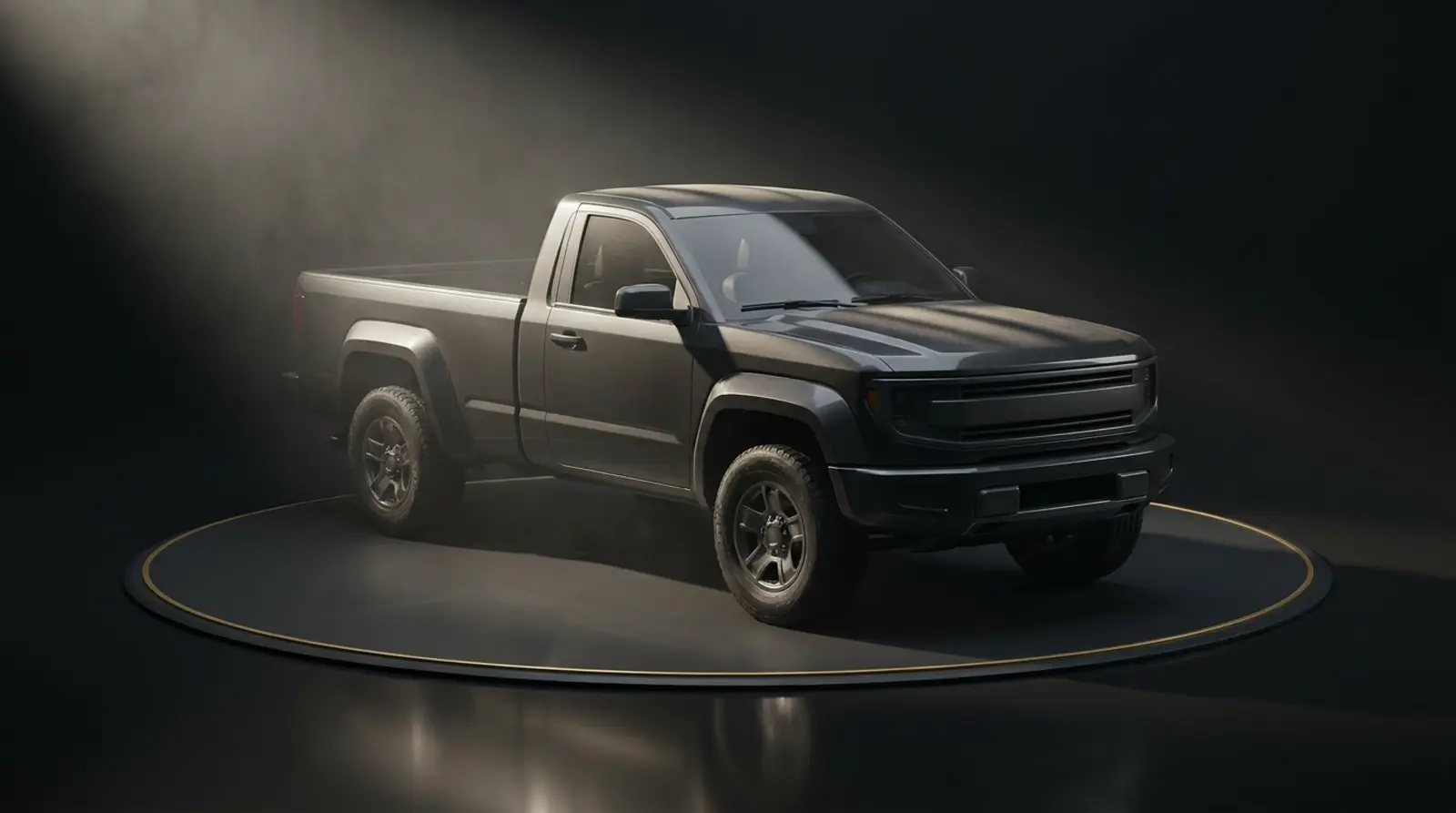
Pennsylvania sets no weight limit, so a heavy-duty pickup can be inside the Act. The test is use: primarily for personal, family or household purposes. So if the truck's in your own name and you use it to tow a camper down to the shore, it's generally in, but put that same truck in a contracting company's name and it's generally out. Emissions faults and power derates show up a lot on diesels, and they can support a diesel emissions claim too.

Motorcycles

Covered since 18 May 2025, when Act 151 of 2024 took effect, which is why anything you read that was written before then says motorcycles are out. PennDOT counted 10,431 regular motorcycles registered in Philadelphia County in 2025. The rules are a bit different for bikes, though: one year or the warranty term with no mileage prong, manufacturer-sourced parts in the repairs, and all attempts at one authorized facility unless you hand a full set of records to a new one. Dual sport bikes ridden off road are excluded. See our motorcycle lemon law page.

RVs and Motor Homes

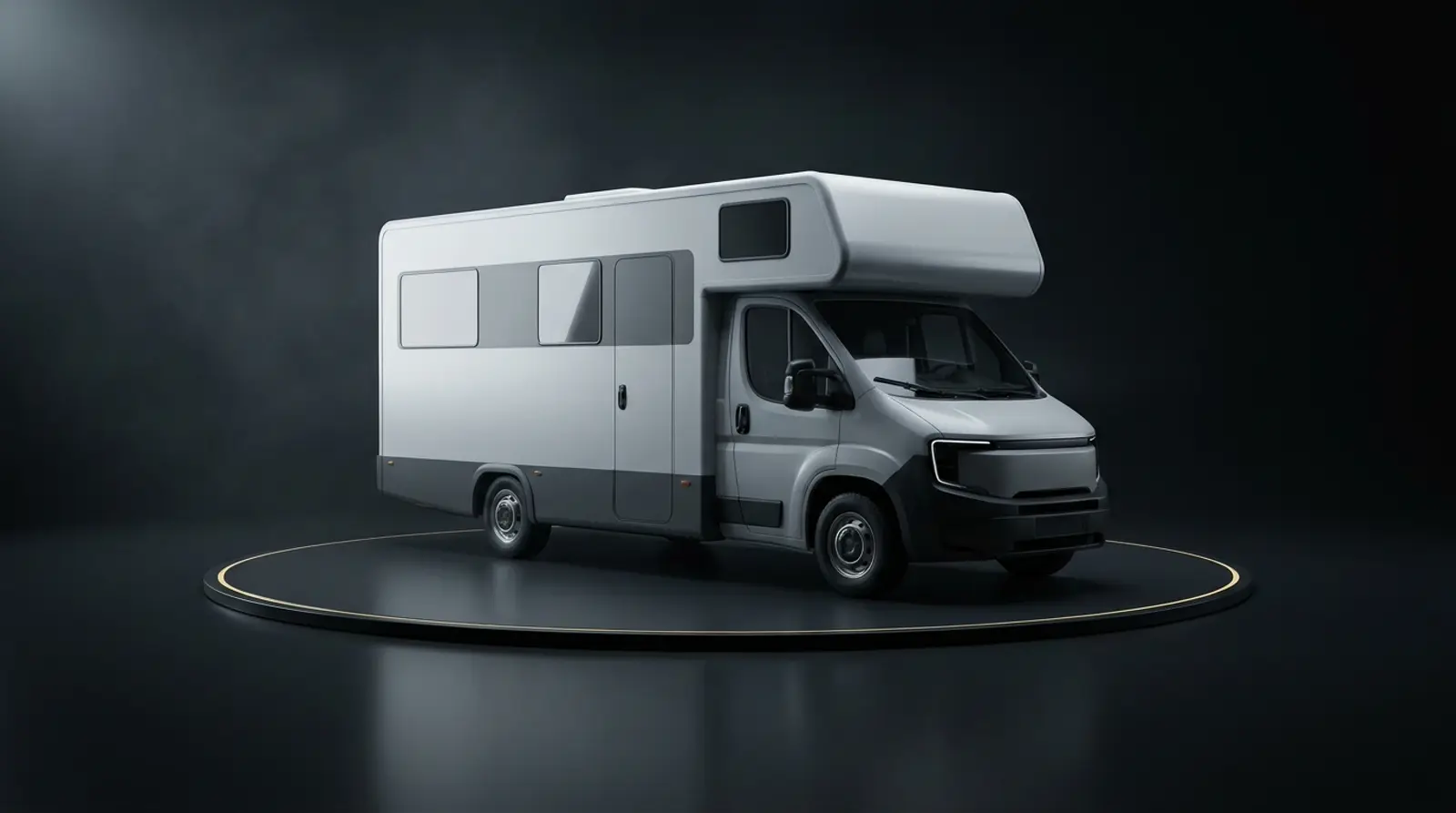
Motor homes are excluded by name in section 2, together with off-road vehicles. That's a real gap, so check it before you spend months on the wrong statute. In Pennsylvania a motor home owner usually turns to the federal Magnuson-Moss Warranty Act and ordinary warranty law instead. A towable trailer is a separate question, since it isn't self-propelled. Our RV and motorhome page goes further.

Electric and Hybrid Vehicles

These are covered on the same terms as any new car. PennDOT's 2025 figures show 11,236 electric vehicles, 5,720 plug-in hybrids and 43,249 hybrids registered in Philadelphia County. The usual complaints are charging, battery, drive-unit and software faults, and a fault that impairs use or value qualifies without being a safety hazard. If your car won't charge in a Center City garage, well, that's a car you can't use. Our electric vehicle lemon law page goes further.

Bought used, and nobody mentioned the buyback? The Act reaches only new and unused vehicles, so most used-car problems go a different route, which our Pennsylvania used car lemon law guide covers. One exception: a buyback resold in Pennsylvania without the section 10 disclosure, warranty and branded title gives the buyer a claim under this Act, a refund or replacement at that buyer's option.

What Our Clients Say

Real results from real clients who trusted
RockPoint Law with their lemon law claims.

Why RockPoint

Why Philadelphia drivers choose RockPoint Law

Lemon law and consumer warranty work is the core of our practice. In Pennsylvania that means court work, and in Philadelphia the court is a short walk from our office, which is convenient for everybody involved.

Lemon Law Is Our Core Practice

It isn't a sideline we keep going next to injury work or family law. Defective-vehicle and warranty claims are the firm's core practice, and so when you call us about your car you're not talking to somebody who mostly does something else.

An Office in Center City

Our Pennsylvania office is located at 100 South Juniper Street, on the third floor, and is near City Hall, the Arbitration Center, and the federal courthouse. If you want to come in and talk in person that's fine, and if you'd rather do it all remotely, that's fine too.

We Settle the Arbitration Question Early

Two kinds of arbitration can land on a Philadelphia claim, the manufacturer's program and the court's own, and it's easy to mix them up since they go by the same word. We work out which one you're looking at, and whether it even applies, before any time goes into it.

You Talk to the People on Your File

There's no intake maze here. The people who work your claim are the people who call you back, and you'll hear from them with updates at every stage.

No Upfront Legal Fees

A qualifying case runs on contingency, meaning there's no fee unless we recover for you. Section 8 of the Act also makes the manufacturer pay reasonable fees and court costs to a purchaser who brings the claim.

Meet the Firm Behind Your Claim

The same attorneys who handle claims nationwide handle them here. Two minutes on who we are and how we work.

Side-by-Side

Do I need a lemon law attorney in Philadelphia?

Below, a Philadelphia claim you run on your own sits beside one run with a lawyer. Flip the switch and the same four moments show up from either side.

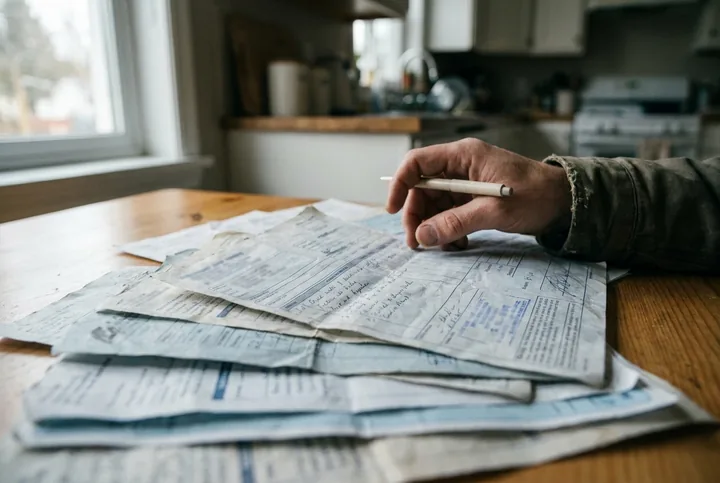
Vehicle repair invoices spread across a kitchen table with a hand hovering over them
On your own1 / 4

Letting the third repair go down as a new complaint

Section 6(a)(1) counts repairs of the same nonconformity. When a service ticket calls it something new each time, the manufacturer argues there were never three attempts at one fault. Most drivers sign for the car and head home without reading how the visit got written up, which is understandable, but that's where the trouble starts.

A wall calendar with deadline dates circled in red beside a set of car keys
On your own2 / 4

Treating the court arbitration date as flexible

Rule 1303(a)(2) lets a judge hear the case without an absent party, and a judge's decision carries no right to a trial de novo. Miss one morning at 1880 John F. Kennedy Boulevard and it can cost you the fresh trial that arbitration normally leaves open, which is a lot to lose over a single morning.

A person on the phone at a home desk with a notepad of call notes
On your own3 / 4

Spending months in a manufacturer program that never applied

Section 9 makes a manufacturer's program a precondition only where it complies with 16 C.F.R. Part 703, and Pennsylvania checks none of them. Drivers who are told to go there first usually do, and the months just go by while they wait.

One person alone at the end of a long empty hearing room table
On your own4 / 4

Accepting a use deduction worked out on today's odometer

Section 5 caps the allowance at 10 cents a mile or 10% of the price, whichever is less, and counts only miles before the first report. If the offer's built on your current mileage, it can take hundreds or thousands of dollars more than the Act allows.

Hands working through an organized stack of repair orders with a highlighter and index tabs
With RockPoint Law1 / 4

Every visit tied to one fault, in the dealer's own words

We go through each itemized statement and line up the complaint from visit to visit, and we add up the calendar days for the section 6(a)(2) route as well, so both routes to the presumption stay on the table.

An open case planner with color-coded deadline tabs being marked
With RockPoint Law2 / 4

The hearing date diaried the day the complaint is filed

The arbitration date is printed right on the face of the complaint, so we put it on the calendar that same day. We get the exhibits together and we're there for the hearing, and when an award is docketed we're keeping an eye on the 30-day appeal window under Rule 1308.

A certified mail envelope and return receipt card being prepared on a desk
With RockPoint Law3 / 4

The Part 703 question answered first

We read the program's rules against the federal regulation and tell you whether section 9 ever applied at all. If it did, you go through it knowing the result can't bind you, and if it didn't, the case goes to City Hall.

A bound exhibit folder open on a conference table
With RockPoint Law4 / 4

The deduction run both ways before any election

We take the odometer reading from your first report, work out 10 cents a mile and 10% of the price, and hold the manufacturer to the smaller figure, all before you pick between refund and replacement.

Philadelphia County and the Collar Counties

On the ground in Philadelphia

One city, one county, one court

Philadelphia is a city and a county with a single boundary, and that's why one court, the First Judicial District, hears every civil claim from Chestnut Hill down to the Navy Yard. The Census Bureau's estimate for 1 July 2025 puts the population at 1,574,281, and it's gone up in each of the last two years. Around the city are the four collar counties, Montgomery (877,643), Bucks (647,828), Delaware (580,937) and Chester (557,116), and we take claims from all of them too.

Stop-and-go is where faults show up

PennDOT counted 752,440 vehicles registered in Philadelphia County at the end of 2025, out of 11,928,274 statewide, and if you drive here you know a lot of them are on the same roads you are. Commuters come in on I-95 along the Delaware, the Schuylkill Expressway (I-76), the Vine Street Expressway (I-676) and Roosevelt Boulevard, which carries U.S. 1 through the Northeast as a twelve-lane road of local and express lanes. Stop-and-go traffic is where a transmission shudder or a stalling engine or a cooling fault shows itself, and it's also where a short road test at the dealer often misses it, so it really helps if you write down when and where it happened.

Roosevelt Boulevard is also where a lot of the city buys cars. There are several franchised new-car dealers along it in the Northeast, and then plenty of Philadelphians buy in the suburbs or across the river in New Jersey. Where you bought matters less than where the car is registered and who does the warranty work: section 6(a)(1) counts repairs by any authorized dealer, while section 7's notice duty falls on the same dealer after a second visit.

The Philadelphia Region inspection record, and when a new car gets one

67 Pa. Code § 177.3 groups Bucks, Chester, Delaware, Montgomery and Philadelphia counties as the Philadelphia Region for emission inspection. Under § 177.51(c), a subject vehicle there is emission-inspected every year alongside its safety inspection, and for a 1996-or-newer gasoline vehicle up to 8,500 pounds the test is an OBD check and a gas cap test: a certified station reads the car's own diagnostic system and prints a dated report.

That report is a record your dealer didn't write, which is really the whole point of it. There's a catch for brand-new cars though, because § 177.51(e) exempts current model year vehicles and vehicles driven under 5,000 miles a year, so a car in its first model year may not have one yet. If you've got a report, keep it with the itemized repair statements.

Registered in Pennsylvania, New Jersey or Delaware: which law you're under

Pennsylvania's Act follows registration. A car registered in Pennsylvania, or bought elsewhere and registered here for the first time, can be a Pennsylvania lemon wherever the dealership was. A car registered in New Jersey or Delaware generally falls under that state's own law, even if it was bought in Philadelphia.

We don't get into New Jersey or Delaware law here. If you moved across a state line after you bought the car, send us both registrations and we can sort out which statute applies.

We take lemon law claims from all over the city and the collar counties, including:

  • Center City
  • South Philadelphia
  • Northeast Philadelphia
  • West Philadelphia
  • Germantown
  • Manayunk
  • Bensalem
  • Levittown
  • Upper Darby
  • Media
  • Norristown
  • King of Prussia

Six of these are Philadelphia neighborhoods. Bensalem and Levittown are in Bucks County, Upper Darby and Media are in Delaware County, and Norristown and King of Prussia are in Montgomery County, and all of them sit inside the Eastern District of Pennsylvania.

How to reach us

Our Pennsylvania office is at 100 South Juniper Street, 3rd Floor, Philadelphia, PA 19107, in Center City between Broad and 13th. The quickest way to start is the online intake form, and we review every request and respond as soon as we can, or you can call (215) 608-7423. PennDOT also publishes its own Lemon Law fact sheet if you'd like to read that first.

More Pennsylvania lemon law pages

Case Results

Recent RockPoint Law recoveries

These numbers come out of our firm's published lemon law settlement record, across brands, which makes them firmwide results and not Philadelphia outcomes. We still think they're worth putting on the page, because they show what a well-documented defect claim can be worth when it's handled properly, but your own claim is going to rest on your own car and your own repair records.

$160,264 BMW X6

Recovery on a vehicle with engine, electrical and suspension defects.

$144,550 Porsche Macan

Recovery on a Macan with suspension, drivetrain, electrical and HVAC problems.

$110,289 Rivian R1T

Recovery after electrical, engine and suspension failures on an electric pickup.

Figures are drawn from our firm's published settlement record and are not specific to Philadelphia matters. Prior results do not guarantee or predict a similar outcome in any future case. See more RockPoint Law settlements 

RockPoint Law, by the numbers

$50M+**
Recovered for clients
3,000+‡
Cases handled
25+
Years of combined experience
97%*
Resolution rate
  • Free Consultation
  • No attorney's fees unless we recover for you.†
Recent Google reviewsAcross all RockPoint offices: 4.8 from 19 Google reviews
  • ★★★★★a month ago
    I had a really good experience with RockPoint Law. The whole process was a lot easier than I expected and everyone I dealt with was helpful and responsive. Whenever I had a question, I was able to get an answer without feeling like I was chasing anyone down. They handled everything and kept me updated along the way. Definitely glad I reached out to them.
    Ronen S. Malekmehr
  • ★★★★★6 months ago
    Saw RockPoint Law and wasn't sure. Called anyway because I was at my wit's end. Natalie Nassi answered and she remembered me from somewhere else. Same calm voice, same no-nonsense approach. She took my case and handled everything. Manufacturer bought the car back. Name on the door changed but Natalie didn't. That's what matters to me.
    Tanja Moldenhauer
  • ★★★★★6 months ago
    Saw RockPoint Law online and wasn't sure because I hadn't heard of them. But I was desperate. My car had been in and out of the shop for months. Called them up and the person I spoke with was so easy to talk to. No legal mumbo jumbo, just straight talk. They took my case and got me a buyback. New name but they know what they're doing. Would recommend.
    Rodolfo Paulino
2 more Google reviews
  • ★★★★★6 months ago
    Honestly wasn't sure about RockPoint Law since I hadn't heard of them before. But I was desperate. My car had been in the shop five times for the same problem and nobody could figure it out. Service advisor started avoiding my calls. I found RockPoint online, called, and the person I talked to was really down to earth. They took my repair orders and handled the whole thing. A few months later, the manufacturer bought the car back. New name but they got it done. Would use them again in a heartbeat.
    Om Shiv
  • ★★★★★6 months ago
    Saw RockPoint Law pop up when I was googling lemon law help. Wasn't sure about the name but figured I'd give it a shot. My Jeep Gladiator had a death wobble at highway speeds—front end would shake violently. Dealer replaced the steering stabilizer twice, still shook. The person I talked to at RockPoint was super calm and explained everything clearly. They handled the claim and Jeep bought the truck back. Glad I didn't let the new name scare me off. They got the job done.
    Víctor Torres

About this page

Written and edited by the RockPoint Law content team. Prepared September 2026 to reflect the Pennsylvania Automobile Lemon Law, the Act of 28 March 1984, P.L. 150, No. 28, cited as 73 P.S. Sections 1951 through 1963, enforced by civil action in the Court of Common Pleas of Philadelphia County. See our editorial policy.

Anyone can check a Pennsylvania attorney's license status and public discipline record through the Disciplinary Board of the Supreme Court of Pennsylvania's attorney search, the regulator's own record. We suggest doing that for any firm you're considering, this one included.

Start here

Tell us what the car is doing in Philadelphia

Three details about the vehicle, and how to reach you.

  • The year and make of your vehicle
  • What the dealer has already tried, and whether you paid for it
  • Your name, phone and email. We review every request and respond as soon as we can

No cost, no obligation. Contacting RockPoint Law does not create an attorney-client relationship.

Meet the Team
Behind RockPoint Law

A dedicated team that stands with you through every step of your Lemon Law claim.

Aaron Waldo
Aaron Waldo
Attorney
U.S. Marine Corps veteran · Automotive background
Liam Jones
Liam Jones
Attorney
Licensed in New York & New Jersey
Christian Garcia
Christian Garcia
Senior Case Manager
Case management from intake through resolution
Rudy Gutierrez
Rudy Gutierrez
Intake Manager
First point of contact for new clients & case evaluations
FAQ

Questions for a Philadelphia lemon law lawyer

What Philadelphia drivers ask us most, from City Hall filings to the Arbitration Center, answered before you send anything.

Is there a Philadelphia lemon law, or is it the Pennsylvania one?

It's the Pennsylvania one. The city and county have no lemon law of their own, so the statewide Automobile Lemon Law applies. What's local is the courthouse: the Court of Common Pleas of Philadelphia County.

It is the Pennsylvania one. The city has no lemon law ordinance of its own, and Philadelphia County has no local version either. The statute is the Automobile Lemon Law, the Act of 28 March 1984, P.L. 150, No. 28, which practitioners cite as 73 P.S. section 1951 and following. It covers a new vehicle bought or leased and registered in Pennsylvania, or bought elsewhere and registered here for the first time. What is local is the courthouse. A Philadelphia claim is filed in the Court of Common Pleas of Philadelphia County, the First Judicial District, and if it is worth fifty thousand dollars or less it is heard first by three lawyers at the Arbitration Center on John F. Kennedy Boulevard. Same statute across the Commonwealth, a Philadelphia route through it.

Where is a Philadelphia lemon law case filed?

In the Court of Common Pleas of Philadelphia County, part of the First Judicial District. Filings go in electronically or at the Civil Filing Center in Room 296, City Hall, and no state agency screens the claim first.

In the Court of Common Pleas of Philadelphia County. Section 8 of the Act says a purchaser who suffers a loss because the manufacturer did not comply may bring a civil action in a court of common pleas, and for a Philadelphia driver that court is part of the First Judicial District. Filings go through the court's electronic filing system or the Civil Filing Center in Room 296 of City Hall, at Broad and Market. No state agency sits in front of the court. Pennsylvania runs no lemon law board, certifies no manufacturer program, and has no department that screens or decides your claim first. The Attorney General's Bureau of Consumer Protection takes consumer complaints and runs a hotline, but your own Lemon Law claim is yours to bring under section 8.

Will my case be heard by a judge or by the Arbitration Center?

At $50,000 or less, the Compulsory Arbitration Program hears it first, before three court-certified attorneys at 1880 John F. Kennedy Boulevard. Above that, it stays with the judges of the Trial Division.

At fifty thousand dollars or less, the Arbitration Center first. Philadelphia Civil Rule 1301 assigns every case at or under that figure, apart from title-to-real-estate cases and types the court excludes by order, to the Compulsory Arbitration Program. The complaint is stamped with a hearing date when it is filed. The hearing takes place at 1880 John F. Kennedy Boulevard, fifth floor, in front of a panel of three court-certified attorneys, and the local rules require arbitrators to keep their principal office in Philadelphia County. Above fifty thousand dollars the case stays with the judges of the Trial Division. Which side of the line a claim lands on depends on the price, the collateral charges and the relief asked for, so settle that question before anything is filed.

What happens if I miss the arbitration hearing?

You can lose the right to a fresh trial. An absent party's case can be heard by a judge that day, and there's no trial de novo from a judge's decision, so treat the date on the complaint as fixed.

You can lose the right to a fresh trial. Rule 1303 of the Pennsylvania Rules of Civil Procedure lets a court warn the parties that if one of them is not present, the matter may be heard the same day in front of a judge without them, and Philadelphia's local Rule 1303 carries that warning into its arbitration notices. It goes on to say there is no right to a trial de novo on appeal from a decision entered by a judge. A party counts as present if it or its lawyer attends. So the arbitration date on the face of the complaint is not a soft date. Put it in the calendar the day the complaint is filed, and tell your lawyer at once if anything clashes with it.

How long do I have to appeal an arbitration award in Philadelphia?

Thirty days from the docket note that notice of the award went out, under Rule 1308. The appealing party pays the arbitrators' compensation, and the appeal brings a new trial before a judge.

Thirty days, and the clock is strict. Under Rule 1308 of the Pennsylvania Rules of Civil Procedure, a party appeals an arbitration award by filing a notice of appeal no later than thirty days after the day the prothonotary, in Philadelphia the Office of Judicial Records, notes on the docket that notice of the award has gone out. The appealing party also pays the arbitrators' compensation, capped at half the amount in controversy, and that payment is not recoverable as costs. The appeal buys a lot: 42 Pa.C.S. section 7361(d) gives any party the right to a trial de novo, meaning a new hearing in front of a judge rather than a review of the panel's reasoning. After a final order, an appeal goes to the Superior Court, whose Philadelphia office is on Walnut Street.

I live in Philadelphia but bought my car in New Jersey or Delaware. Which law applies?

Often Pennsylvania's. Section 2 covers a car bought elsewhere and registered for the first time in Pennsylvania, so a New Jersey or Delaware purchase can still be a Pennsylvania lemon.

Very often Pennsylvania's. Section 2 of the Act defines a new motor vehicle to include one purchased or leased elsewhere and registered for the first time in the Commonwealth, so a car bought at a dealer across the river and first registered to a Philadelphia address can still be a Pennsylvania lemon. The other conditions do not change: new and unused, bought mainly for personal, family or household use, and a fault that appears within one year of delivery, 12,000 miles, or the warranty term. One practical point about repairs. Section 4(b) speaks of taking the vehicle to an authorized service facility within the Commonwealth, so where you can, use Pennsylvania dealers for warranty visits, and check with us before relying on repair visits made in another state.

I live in Camden or Wilmington. Does the Pennsylvania lemon law cover me?

Usually not. Pennsylvania's Act follows registration, so a car registered in New Jersey or Delaware is generally a question for that state's own lemon law.

Usually not, even though we are a short drive away. Pennsylvania's Act turns on registration in the Commonwealth, not on where the dealership sits. A car registered in New Jersey is generally a New Jersey lemon law question, and a car registered in Delaware is a Delaware one. Those states run their own statutes, with their own repair counts, deadlines and procedures, and a Camden or Wilmington driver should read them rather than this Pennsylvania guidance. Buying the car at a Philadelphia dealer does not by itself change that. We cover New Jersey on our New Jersey lemon law page and Delaware on our Delaware lemon law page. If you have moved across a state line since you bought the car, send us both registrations and we can tell you which law you are under.

Can I bring a lemon law claim in Philadelphia small claims court?

You can file a small claim, but it rarely fits. Philadelphia Municipal Court's limit is $12,000, and a refund or replacement of a new vehicle almost always runs higher.

You can bring a small claim, but it is rarely the right place for a lemon law case. Philadelphia has no magisterial district judges. Instead, 42 Pa.C.S. section 1123 gives the Philadelphia Municipal Court a civil small claims jurisdiction for sums up to twelve thousand dollars, and the process is built so that parties can proceed without counsel. The Act itself sends a Lemon Law action to a court of common pleas under section 8, and a refund or replacement of a new vehicle almost always exceeds twelve thousand dollars once the price and collateral charges are counted. A claimant can waive part of a larger claim to fit the limit, but that waiver is usually a poor trade. Small claims can suit a narrow dispute over one repair bill or a fee.

My car's fault is dangerous. Does that qualify it faster in Pennsylvania?

No. Pennsylvania has no serious-safety shortcut: a dangerous fault still needs three repairs or 30 calendar days. If it's unsafe to drive, written notice can stand in for bringing the car in.

No. Pennsylvania has no serious-safety shortcut, and that surprises a lot of Philadelphia drivers who have read about other states. Section 6(a) creates the presumption in three paragraphs: three repairs of the same fault with the fault still there, or thirty or more calendar days out of service for any fault, plus a separate rule on parts for motorcycles. None of them is a safety route. A brake or steering failure is mentioned once in the Act, in section 10(b), and what it does there is forbid the resale of such a vehicle anywhere in the Commonwealth after it comes back. It does not lower your repair count. If a fault is dangerous, stop driving the car, and remember that section 4(b) lets written notice stand in for bringing it in.

Do I have to write to the manufacturer before I can bring a claim?

No. The Act asks you for no letter. Section 7 puts a seven-day certified-mail duty on the dealer after your second visit for the same fault.

No. The Act has no consumer notice step, no statutory form and no required demand letter. Section 7 puts the duty on the dealer instead. Once your vehicle is delivered to the same dealer a second time for repair of the same fault, that dealer has seven days to notify the manufacturer by certified mail, return receipt requested. Section 7 also entitles you to a fully itemized statement of all work, parts and labor included, every single time the vehicle comes back from service. Keep those. Where the fault itself stops you driving the car in, section 4(b) treats written notice to the manufacturer or its repair facility as returning the vehicle, and the manufacturer pays to move it. A written notice in that situation is sensible, and it costs nothing.

How much will the manufacturer deduct for the miles I have driven?

Less than most people expect. Section 5 caps it at 10 cents a mile or 10% of the price, whichever is less, counted only on miles before your first report of the fault.

Less than most people expect, because section 5 caps it. The allowance for your use may not exceed ten cents per mile driven or ten percent of the purchase or lease price, whichever is less, and it counts only the miles you drove before your first report of the fault to the manufacturer. The meter stops at that first report. Take a thirty-eight thousand five hundred dollar vehicle first reported at forty-two hundred miles. Ten cents a mile is four hundred and twenty dollars, against a ten percent ceiling of three thousand eight hundred and fifty, so the allowance is four hundred and twenty. Once you elect a refund, section 5 gives the manufacturer thirty days to pay you and any lienholder. Report a fault the first time it happens, in writing.

What does a Philadelphia lemon law attorney cost, and can I meet at your office?

Qualifying cases run on contingency, with no fee unless we recover for you, and section 8 has the manufacturer pay fees to a purchaser who wins. You're welcome at our South Juniper Street office, though most clients never need to come in.

We handle qualifying lemon law cases on contingency, so there is no upfront fee and no fee unless we recover for you. Section 8 of the Act adds that a purchaser who brings the action shall be entitled to recover reasonable attorneys' fees and all court costs, in addition to other relief, so fees are paid on top of a recovery rather than out of it. Our Pennsylvania office is at 100 South Juniper Street, third floor, in Center City, a short walk from City Hall, and you are welcome to sit down with us there. Most clients never need to. Bring the itemized repair statements, the purchase or lease agreement, the delivery date, the dates of every visit, and the odometer reading when you first reported the fault.

Don't take on the manufacturer alone.

Tell us the vehicle and what the dealer has already tried. No fee unless we recover for you.†

Free & Confidential — No attorney’s fees unless we recover for you.