New York City Lemon Law

Lemon Law Lawyers for New York City

At RockPoint Law, lemon law is our core practice, and the people we represent are drivers in all five boroughs whose new car keeps going back to the dealer for the same fault, like a transmission that lurches in BQE traffic, a start-stop system that stalls at the lights on Queens Boulevard, or a warning light the dealer has cleared three times.

Free Case Evaluation

Three quick questions. No cost, no obligation.

  1. The year and make of your vehicle
  2. What the dealer has already tried
  3. How to reach you, and we review it
Start My Free Case Review  Call (516) 550-3323

Sending this does not create an attorney-client relationship. A case evaluation is a first step, not legal representation.

Because New York's lemon law is a state law, it reads the same in the Bronx as it does in Buffalo, and where a city driver sees a difference is on the practical side of things. The Attorney General's arbitration form lists a hearing location in every borough, and the courts that could touch your case sit in your own county. Our New York office is out in Manhasset, in Nassau County, which is about forty minutes from Penn Station on the LIRR.

  • All five boroughs
  • Hearings in your borough
  • No fee unless we recover

Our New York attorney: Steven P. Nassi, New York Attorney Registration No. 4263489, licensed in New York since 2004.

Key facts

New York City lemon law at a glance

The figures a city claim runs into, in the order it meets them, from the personal-use question on the request form to the courts in your own county.

Key facts for a New York City lemon law claim under General Business Law section 198-a and the Attorney General's arbitration program
Key figureWhat it meansWhere it comes from
Over halfpersonal useThe car has to be used primarily for personal, family or household purposes. It can also earn money, as long as personal driving is more than half of its use. Question 8 on the request form asks.Section 198-a(a)(1); Attorney General's guide
18,000 milesor two yearsThe coverage window, whichever comes first. On a car that mostly sits at the curb, the calendar usually closes it before the odometer does.Section 198-a(b)(1) and (d)
4 repairsor 30 daysFour repairs of the same defect, or 30 calendar days out of service for one or more defects, inside the window. Either one is enough.Section 198-a(d)(1) and (d)(2)
4 yearsfrom deliveryThe outer limit to start arbitration or a lawsuit. It keeps running while a complaint sits with the wrong city office.Section 198-a(j)
28 Liberty St.lower ManhattanWhere the request for arbitration goes, by mail or by email to the Attorney General's Lemon Law Unit, which checks eligibility first.Attorney General's request form
$250new car filing feePaid to the program administrator only after the request is accepted, never with the form. A consumer who wins gets it back in the award.Attorney General's request form; 13 NYCRR 300.5 and 300.16
35 daysto a borough hearingThe hearing is held by day 35 after the filing date, with at least eight days' notice, at the borough location you chose. Evening and weekend times are permitted.13 NYCRR 300.7(e) to (g); request form question 22
90 daysyour county onlyThe time to ask a court to vacate or modify an award, in Supreme Court in the county where you live or where the hearing was held.CPLR 7511; section 198-a(k)
$50,000two court linesThe ceiling of the Civil Court of the City of New York, and the floor for a federal warranty claim. A full buyback usually belongs in Supreme Court.NYC Civil Court; 15 U.S.C. 2310(d)(3)
The Short Answer

What is the lemon law in New York City?

Yes, the lemon law applies to New York City drivers, and it is the state law that covers them. There is no separate city lemon law. If a new car that was bought or registered in New York has the same warranty defect repaired four times without a fix, or spends 30 days in the shop, inside the first 18,000 miles or two years, the manufacturer has to refund it or replace it, and you pick which. Most city claims go to the Attorney General's arbitration program, and its request form lists hearing locations in Manhattan, Brooklyn, Queens, the Bronx and Staten Island.

The law is General Business Law section 198-a for new vehicles, with section 198-b for used cars bought from a dealer. Our New York lemon law page goes through both statutes in full. Here we cover what changes once you live in the five boroughs: where your hearing happens, which county's courts can touch the case, which city agency does and does not help, and how a car that spends its life in city traffic gets judged.

Start with the filing address, because it is already in your city. The request goes to the Attorney General's Lemon Law Unit at 28 Liberty Street in lower Manhattan, or by email to the unit's published address. The office checks whether the claim is eligible. If it is, the file passes to the New York State Dispute Resolution Association, which asks for the $250 filing fee on a new car and sets the hearing. You never have to walk into either office.

Then the hearing itself. On question 22 of the new car request form you pick where it happens, and the list includes Bronx, Brooklyn, Manhattan, Queens and Staten Island by name. The regulation behind that list, 13 NYCRR section 300.7(g), requires regular hearing sites in named areas, and New York City is one of them. A Staten Island driver does not have to cross two bridges to be heard. The same rule sets the hearing within 35 days of the filing date and allows evening and weekend slots.

The three ways to qualify are the same citywide and statewide, so we keep them short here. The same defect repaired four or more times and still there. Thirty or more calendar days out of service, and those days can come from different faults. Or a dealer that will not start repairs, followed by 20 days of silence from the manufacturer after your certified letter. Any one of the three is enough.

The dates that close a New York claim

Three clocks run, and none of them pauses because you live in the city:

  • The coverage window. The defect has to show up in the first 18,000 miles or two years from delivery, whichever comes first.
  • The filing deadline. Section 198-a(j) gives you four years from original delivery to start either arbitration or a lawsuit.
  • The challenge window. Once an arbitrator decides, either side has 90 days to ask a court to vacate or modify the award under CPLR section 7511.

For many city drivers the calendar runs out before the odometer. A car that lives on alternate-side streets and does short runs across the borough can reach two years well short of 18,000 miles, so watch the date as closely as the mileage. Ask for the delivery date in writing if the paperwork does not show it.

Two boundaries trip up city drivers more than anyone else. First, the law protects a car used primarily for personal, family or household purposes, and the Attorney General reads that as personal use more than half the time. A car that mostly carries paying passengers may fall outside it. Second, the city's own consumer agency licenses used-car dealers and takes complaints about them, but it does not run lemon law claims against manufacturers. Both are set out below. Where the state statute stops, the federal Magnuson-Moss Warranty Act often still reaches, and the lemon law glossary covers the vocabulary.

Eligibility

Does your car qualify in New York City?

The tests are New York's, so they are identical in every borough. Meet one of the routes below and the law presumes the manufacturer has had a fair chance to fix the car. Each card carries a city example and a self-check you can run against your own repair orders. The full statutory detail lives on our New York lemon law page.

Before any test, the car has to be one the statute protects: a new vehicle bought, leased or transferred in New York, or registered here, and used mainly for personal driving. That last condition decides more city claims than people expect, because so many cars here also earn money. The section on where your case is heard takes it up in detail.

Four Repairs, Same Defect

The same fault goes back four or more times inside the first 18,000 miles or two years and is still there. In the city this route lives or dies on wording. If one repair order says "hesitation," the next says "rough shift" and the third says "no problem found," the manufacturer will call them three different complaints. Ask the service writer to use your words every visit.

A New York City example A new crossover back at a Queens dealership four times for the same shudder pulling away from lights, still shuddering at 11,000 miles

Thirty Days in the Shop

The car is out of service for repair for 30 or more calendar days in total, and section 198-a(d)(2) adds days lost to different faults together. Calendar days include the weekend the car sat on the dealer's lot. A car waiting on a back-ordered part is adding days the whole time it sits.

A New York City example A car at a Bronx service department for an electrical fault, then a coolant leak, then a door module, passing 30 days across the three visits

The Dealer Will Not Start

If the dealer refuses to begin repairs within seven days of your report, you can write to the manufacturer by certified mail, return receipt requested. The manufacturer then has 20 days to start. If it does not, the refund or replacement remedy applies with no repair count at all. When a service desk says it cannot get you in for three weeks, write down the date and the name of the person who said it.

A New York City example A Brooklyn dealer that keeps saying the part is on order and never opens a repair order for the fault you reported

Inside the Coverage Window

The defect has to appear within the first 18,000 miles or two years from delivery, whichever comes first, and you have four years from delivery to file. A car that mostly sits parked on the street between short trips will usually hit the two-year mark long before the mileage, so date the first complaint as early as you can.

A New York City example A Staten Island owner at 9,000 miles and 23 months who first reported a hard-start problem at month six: inside the window, and well inside the four years

Keep the paper trail

A test is only as good as the paper behind it. Keep every repair order, with the drop-off date, the pick-up date and the mileage, the purchase or lease contract, and the green return-receipt card from any certified letter. A visit logged as "could not duplicate" still counts as a visit if the paper shows it.

City cars need two extra folders. One holds the invoices for anything the street did to the car, a curbed rim or a pothole-bent strut, kept apart from the defect you keep reporting. The other holds the trip summaries from any rideshare app or for-hire base, because the personal-use question is settled before any repair count is read.

Not sure whether your repair history clears one of the routes? Send it over for a straight read.

Where your case is heard

Filing from the five boroughs: the hearing, the courts and the city agency

The question we hear most from city drivers is whether a claim means a day in a Manhattan courtroom. Usually it does not. A New York lemon law claim is an arbitration before it is anything else, and the arbitration comes to your borough. Courts only enter the picture if you choose to sue or if someone challenges the award, and even then the rules keep the case close to home.

A Hearing Site in Your Own Borough

The Attorney General's request form lets you choose the hearing location, and the list names Bronx, Brooklyn, Manhattan, Queens and Staten Island. Hearings can run in the evening or on a weekend, and you can ask for a virtual one if you cannot attend in person. The manufacturer may object to that and ask for an in-person hearing.

An Award Challenge Stays in Your County

Either side can ask a court to vacate or modify an award within 90 days. Section 198-a(k) says that proceeding can be brought only in the county where you live or where the arbitration was held. For a city driver that means Supreme Court in New York, Kings, Queens, Bronx or Richmond County, not a courthouse chosen by the manufacturer.

City Civil Court Stops at $50,000

If you sue instead of arbitrating, the size of the claim decides the court. The Civil Court of the City of New York hears money claims up to $50,000, and its Small Claims Part hears claims up to $10,000. A buyback on a recent car usually runs past both, which puts a full repurchase claim in Supreme Court in your county. A court can award reasonable attorney's fees to a consumer who wins under section 198-a(l).

Federal Court Splits the City in Two

A warranty claim under the federal Magnuson-Moss Act can go to federal court, but only if the amount in controversy reaches $50,000 under 15 U.S.C. section 2310(d)(3). When it does, the borough decides the district. 28 U.S.C. section 112 puts the Bronx and Manhattan (New York County) in the Southern District of New York, and Brooklyn, Queens and Staten Island (Kings, Queens and Richmond Counties) in the Eastern District, which holds court in Brooklyn. A consumer who finally prevails may be allowed costs and attorney's fees under section 2310(d)(2); the court decides, and it is not automatic.

Driving for Uber, Lyft or a TLC base?

This is the question that separates a city claim from almost any other, and the Attorney General screens it before anything else happens. New York's lemon law defines a consumer as someone who buys or leases a car "used primarily for personal, family or household purposes." That wording is in section 198-a(a)(1), and the Attorney General's own guide explains it plainly: the car can also be used for business, as long as you drive it for personal use more than half of the time. The request form asks you the same thing at question 8.

So the answer turns on how the car is actually used, not on the plates. A car you drive to work and on errands, with a few rideshare shifts on weekends, can still be a personal-use car. A car licensed with the Taxi and Limousine Commission and dispatched through a for-hire base most of the week is a much harder fit. That is not the end of the road. The federal Magnuson-Moss Act looks at the type of product rather than how you use it: under 16 CFR section 700.1(a), a car is a consumer product because cars are normally bought for personal use, and "the use to which a product is put by any individual buyer is not determinative."

For-hire drivers: what to gather before we talk

The personal-use split is a question of fact, so it is shown the same way as everything else in a lemon law claim: with records. The useful ones are the trip logs or weekly summaries your app or base provides, your total odometer readings at the start and end of the same period, and anything showing when the car was registered or insured for hire. If the paid miles are well under half, the state claim may be open to you. If they are well over half, we look at the federal warranty route and at whatever your written warranty itself provides.

Two cautions. A business-owned car is not automatically excluded; the Attorney General says a company car is covered if it is used primarily for personal purposes. And the answer can change over the life of the car, so the period that matters is the one around your repair attempts, not the year you bought it.

The city agency that does not handle this

Plenty of city drivers call 311 first, and 311 routes consumer complaints to the Department of Consumer and Worker Protection. DCWP is a real help in the right case. It licenses every used car dealer in the city under a Secondhand Dealer Auto license, it enforces the city's used car rules, and it mediates complaints against dealers. What it does not do is decide whether a manufacturer has to buy back a defective new car. That claim belongs to the Attorney General's program or a court, and the four-year filing deadline keeps running while a complaint sits with the wrong office.

The two can overlap. If a city dealer sold you a used car and then refused to honor the written warranty that New York's used car law requires, you may have a DCWP complaint about the dealer and a section 198-b claim at the same time. We sort out which body hears which part before anything is filed.

Buying used in the city: the rules DCWP enforces

Under the city's Used Car Consumer Bill of Rights, a used car dealer in New York City has to post the bill of rights and hand you a copy before you sign. Among the rights it lists:

  • You can buy at the advertised price, and the dealer cannot raise it because you finance elsewhere.
  • The dealer has to disclose the lowest APR any finance company offered you for the same terms, and any fee it charges for arranging the loan.
  • You can refuse add-ons, and you are entitled to the itemized price of each one in writing.
  • The dealer must offer a contract cancellation option that lets you cancel within two weekdays.
  • You are entitled to the FTC Buyer's Guide and, where it applies, the written warranty New York's used car lemon law requires on a car bought mainly for personal use that costs at least $1,500 and has no more than 100,000 miles.

These documents have to be in the language you negotiated in, where DCWP publishes a translation. The city's forms page carries them in eleven languages. If a dealer skipped any of this, keep whatever paperwork you were given; it often matters to the warranty claim as well.

Five boroughs, five counties, two federal districts

The venue rules work by county, not by borough name, so it helps to know which is which before anything is filed. A Brooklyn driver's award challenge is filed in Kings County, and a Staten Island driver's in Richmond.

Borough by borough: the county, the state courts and the federal district

Each borough is its own county, and the county is what the venue rules use.

  • Manhattan is New York County. Supreme Court, New York County; federal cases in the Southern District.
  • The Bronx is Bronx County. Supreme Court, Bronx County, at 851 Grand Concourse; federal cases in the Southern District.
  • Brooklyn is Kings County. Supreme Court, Kings County; federal cases in the Eastern District.
  • Queens is Queens County. Supreme Court, Queens County; federal cases in the Eastern District.
  • Staten Island is Richmond County. Supreme Court, Richmond County; federal cases in the Eastern District.

An Article 75 challenge to an arbitration award goes to Supreme Court in the county where you live or where the hearing was held. A lawsuit under the lemon law itself, or under the federal warranty act in state court, follows the ordinary venue rules, and the right county is something we confirm on your facts.

Arbitration or court is a one-time choice, so make it with the facts in front of you. The manufacturer cannot refuse the state program once you apply and pay the fee, which is a real advantage. The trade is that the award binds you too, apart from the narrow 90-day court challenge. Our guide to how to file a lemon law claim covers the paperwork order.

Not sure whether arbitration or court fits your car? That is the first thing we work out, at no cost.

  • Bring your repair orders with the drop-off and pick-up dates. That is usually enough to see which route your record supports.
  • If the car has ever carried paying passengers, bring the trip summaries too. The personal-use question comes first.
  • Tell us which borough you would want the hearing in. The form asks, and so do we.
  • You speak with the people who would work the file, not an intake desk.
Start My Free Case Review 
A New York City driver on the phone at home while a New York lemon law arbitration request is prepared and emailed for them
You Stay Put

Most of a city claim happens on paper

The request for arbitration is a form, and the Attorney General's office accepts it by email. The repair orders are scans. The eligibility review happens without you. When the hearing is set, it is at the borough location you chose, with at least eight days' notice under 13 NYCRR section 300.7(e), and a typical hearing lasts one to two hours. The arbitrator is allowed to look at the car, ride in it or drive it, so plan for where you will park it that day.

We gather the repair history, check which route your record supports, answer the personal-use question before the form does, prepare the request and the exhibits, and appear at the hearing with you or for you. Your part is the call that starts it.

How It Works

The lemon law process for a New York City driver

A New York claim is an arbitration before it is anything else, and the order of the paperwork matters. These are the five stages as they run for someone in the five boroughs, from the first repair order to the day the manufacturer pays. The program's own clock is short once the fee is paid. For the form-by-form walkthrough, our guide to how to file a lemon law claim takes each document in turn.

  1. Day 0The administrator receives your $250 fee, and that day becomes the filing date
  2. Day 35Last day for the hearing at the borough site you chose, with eight days' notice, unless both sides agree to a later date
  3. Day 40Last day for the arbitrator's written decision
  4. Day 70+Accept the award on Day 40 and the manufacturer's 30 days to comply end on Day 70. Each business day past that costs it $25, up to $500.

Settle Which Law Covers the Car

Three questions come before anything else. Was the car bought, leased or transferred in New York, or is it registered here? Was it new, or bought used from a dealer? And has it been used mainly for personal driving? The last one decides more city claims than people expect, because so many cars here also earn money. A new car used mostly for personal driving runs under section 198-a. A used car from a dealer runs under section 198-b, with its own thresholds. A car that mostly carries fares may need the federal route instead. We answer all three from your paperwork before a form is filled in.

Get a Repair Order Every Time

Every visit needs a printed repair order with the complaint in your words, the drop-off date, the pick-up date and the mileage, even when the shop finds nothing. The four-repair route needs the same defect described the same way each time. The 30-day route needs the dates, because it counts calendar days. In the city there is one more thing to keep apart: anything that happened to the car on the street. If a tire, rim or strut was damaged by a pothole or a curb, make sure that repair is written up separately from the defect you keep reporting.

Put the Manufacturer on Notice in Writing

When you report a defect to the dealer, the dealer has seven days to pass written notice to the manufacturer. You cannot see whether it did, so write to the manufacturer yourself as well. Certified mail with return receipt is the standard, and in one situation it is the claim itself: if the dealer will not begin repairs within seven days of your report, your certified letter starts the manufacturer's 20-day clock. Keep the green card with the repair orders. The date on it is what proves when the clock began.

Send the Request to 28 Liberty Street

The request for arbitration goes to the Attorney General's Lemon Law Unit, at 28 Liberty Street in Manhattan or by email. The form tells you plainly not to send the fee or your documents with it. The office reviews eligibility and writes back; if it accepts, the file goes to the New York State Dispute Resolution Association, which asks for the $250 fee and your documents. The day that fee arrives is the filing date, Day 0 on the clock above. On the form you choose the borough where you want the hearing and whether you want a refund or a replacement.

The Hearing in Your Borough, and the Money

The hearing is set no later than Day 35, at the location you picked, with at least eight days' notice. It is not a trial, and formal rules of evidence do not apply. The arbitrator can drive the car, so bring it if you can and plan where to park. A decision usually follows within five days of the hearing, and no later than Day 40. If you win and accept, the manufacturer has 30 days to comply, and section 198-a(h) then charges it $25 for each business day it is late, up to $500. Your filing fee comes back as part of the award.

Each of those five steps is a place a city claim can come apart: a repair order that reads "could not duplicate," a letter that went only to the dealer, a rideshare history nobody asked about until the eligibility letter arrived, a strut replaced after a pothole and filed in the same folder as the transmission complaint.

You can run this yourself, and some city drivers do. No lawyer can tell you in advance how an arbitrator will rule. What a firm that handles these claims can do is keep the record clean, the notice right and the dates intact.

Outcomes

What compensation can you receive?

Refund or replacement, and you choose

If the claim succeeds, section 198-a(c)(1) makes the manufacturer replace the car with a comparable one or take it back and refund it, "at the option of the consumer." The choice is yours, and you mark it on the request form. A refund is the full purchase price or lease price, plus any trade-in allowance and the fees and charges that came with the car, including license and registration fees.

The one deduction, worked through

The manufacturer can deduct for your use of the car, but only for miles over 12,000. The formula in section 198-a(a)(4) is fixed:

  1. Count only the miles over 12,000.
  2. Multiply them by the purchase price.
  3. Divide the result by 100,000.

A car bought for $52,000 with 16,500 miles on it is 4,500 miles over the line. 4,500 times $52,000, divided by 100,000, is $2,340. At 12,000 miles or fewer, the deduction is zero.

Many city cars never reach 12,000 miles inside the window, which means no mileage deduction at all. The statute also allows a reasonable deduction for damage beyond normal wear, and that is where city life can cost you. Scraped bumpers, curbed wheels and parking dings are the sort of thing a manufacturer will try to price. Photograph the car before the hearing and keep any body-shop invoices showing what was fixed.

Sales tax, leases and used cars

The sales tax comes back separately. The manufacturer's refund arrives with the state form for getting it back, the Department of Taxation and Finance's AU-11, and the Attorney General's guide gives you three years from receiving the refund to apply.

On a lease, the refund is split between you and the leasing company, and the lease ends on the date of the arbitrator's decision with no early-termination penalty. Used cars work differently. A refund under section 198-b carries no mileage formula, and our New York lemon law page covers that statute.

Attorney fees

Section 198-a(l) lets a court award reasonable attorney's fees to a consumer who prevails, including in a court proceeding that grows out of the arbitration. The federal Magnuson-Moss Warranty Act has its own rule for costs and fees under section 2310(d)(2). Both awards are up to the court.

Possible Outcomes

Five things a successful city claim can bring

  • Refund

    The purchase price plus fees and charges, less a mileage deduction only above 12,000 miles, under section 198-a(c)(1) and (a)(4)

  • Replacement

    A comparable car instead of the money, if that is the option you mark on the request form

  • Your $250 back

    The program's filing fee is awarded back to a consumer who wins, under 13 NYCRR 300.16(c)

  • Late-payment penalty

    $25 for each business day past the 30-day compliance window, up to $500, under section 198-a(h)

  • Attorney fees

    A court may award them to a consumer who prevails, under section 198-a(l) or the federal Magnuson-Moss Act

Outcomes depend on the specific facts of each case, so no attorney can tell you in advance what a particular claim will bring.

We Take On the
Biggest Names

Vehicles We Handle

Which city vehicles the law reaches, and which it does not

New York's new car law covers a vehicle that came with the manufacturer's written warranty, excluding off-road vehicles. In the city, though, what kind of vehicle it is matters less than how you use it, since the personal-use test applies to every one of them. Where the state statute does not reach, the federal Magnuson-Moss Warranty Act often still does. Pick a category and you'll see where it stands.

Cars, SUVs and Minivans

This is the core of the statute, a car bought or leased new, and it's where most claims fall. Short trips and idling in traffic and long stretches parked on the street are all hard on batteries, start-stop systems and transmissions, and those faults tend to come back after a "no problem found" visit. A leased car counts too. See our practice areas.

Work Vans and Diesel Pickups

A van or pickup used mostly for a business can fail the personal-use test that the state law applies. A contractor's van that gets driven between job sites all week is a hard fit, while a pickup that's mainly the family vehicle isn't. Emissions faults on diesels can keep a truck in the shop for weeks, and that's why these claims so often run on days out of service. See our diesel emissions lemon law guide.

Motorcycles and Scooters

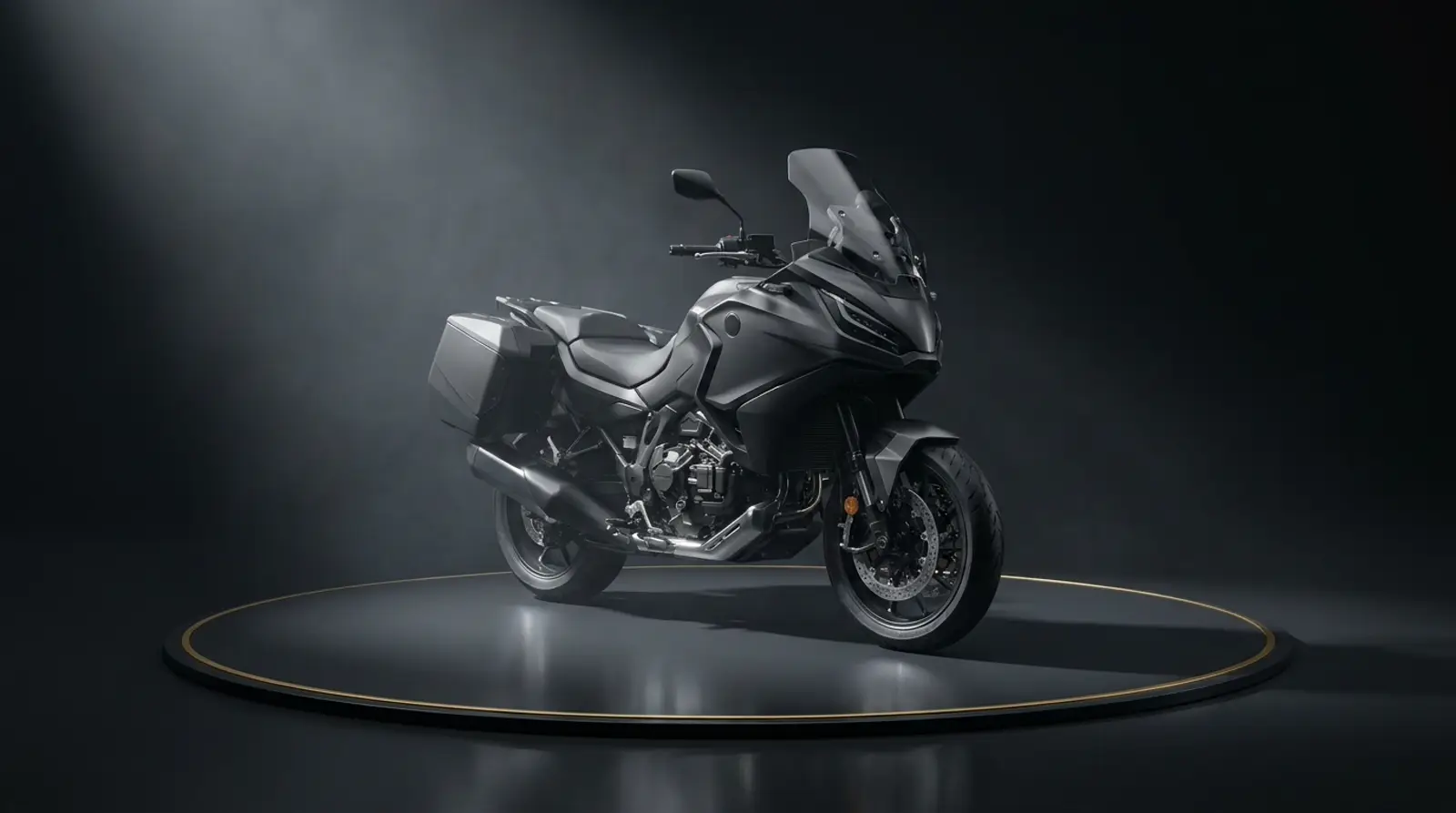
New motorcycles have been covered since September 1, 2004, according to the Attorney General, and the state arbitration program lists new motorcycles alongside new cars. Off-road vehicles such as ATVs are not covered. A motorcycle that commutes over the bridges year-round, on the other hand, is squarely a personal-use vehicle. See our motorcycle lemon law guide.

RVs and Motor Homes

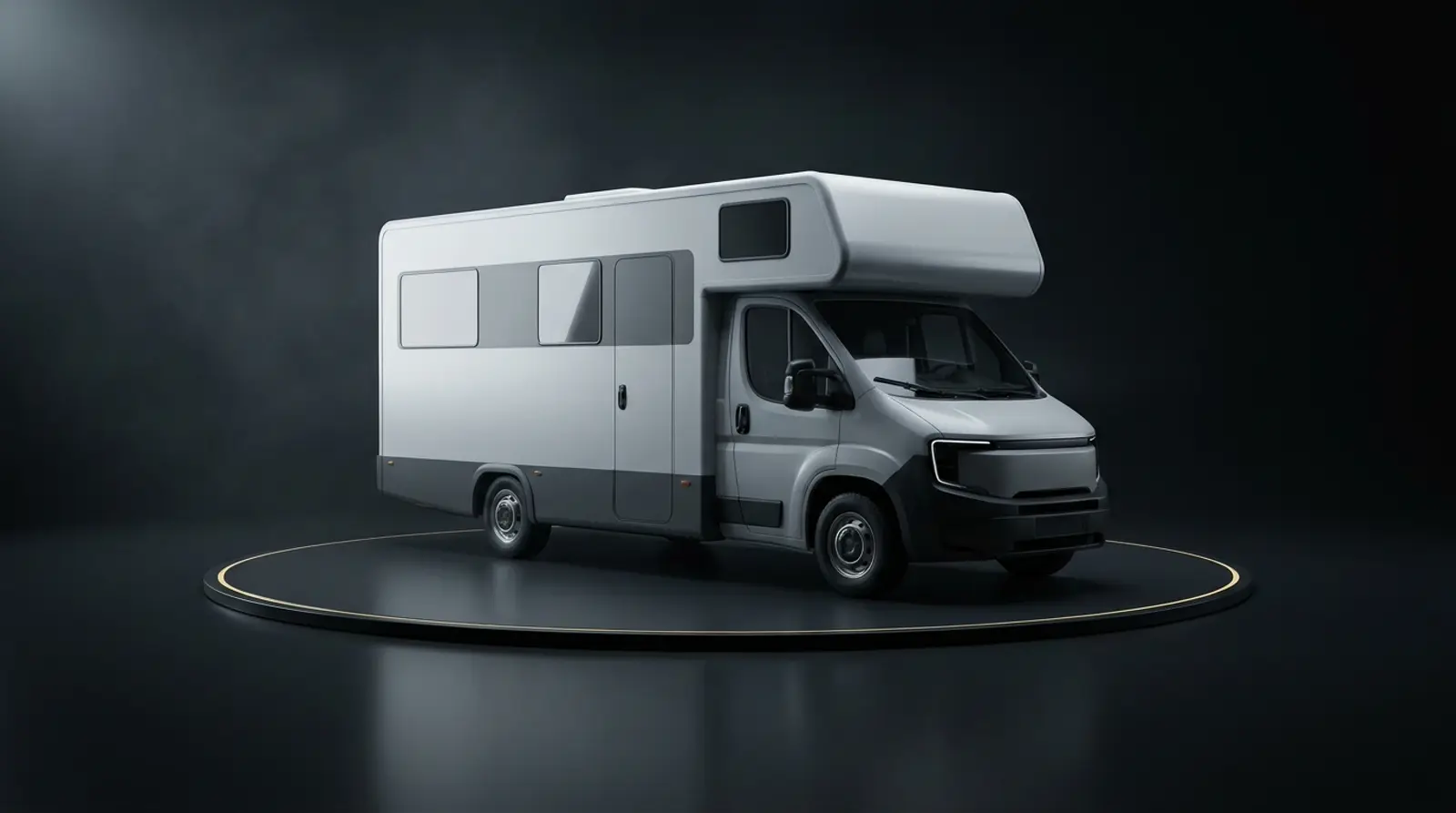
Motor homes are covered under section 198-a(n), with one large exception: the living quarters. Flooring, plumbing, the roof air conditioner, the furnace, the generator, and the house electrical systems are excluded, and special notice rules apply earlier than they do for a car. For more details, see our RV and motorhome lemon law guide.

Electric Vehicles

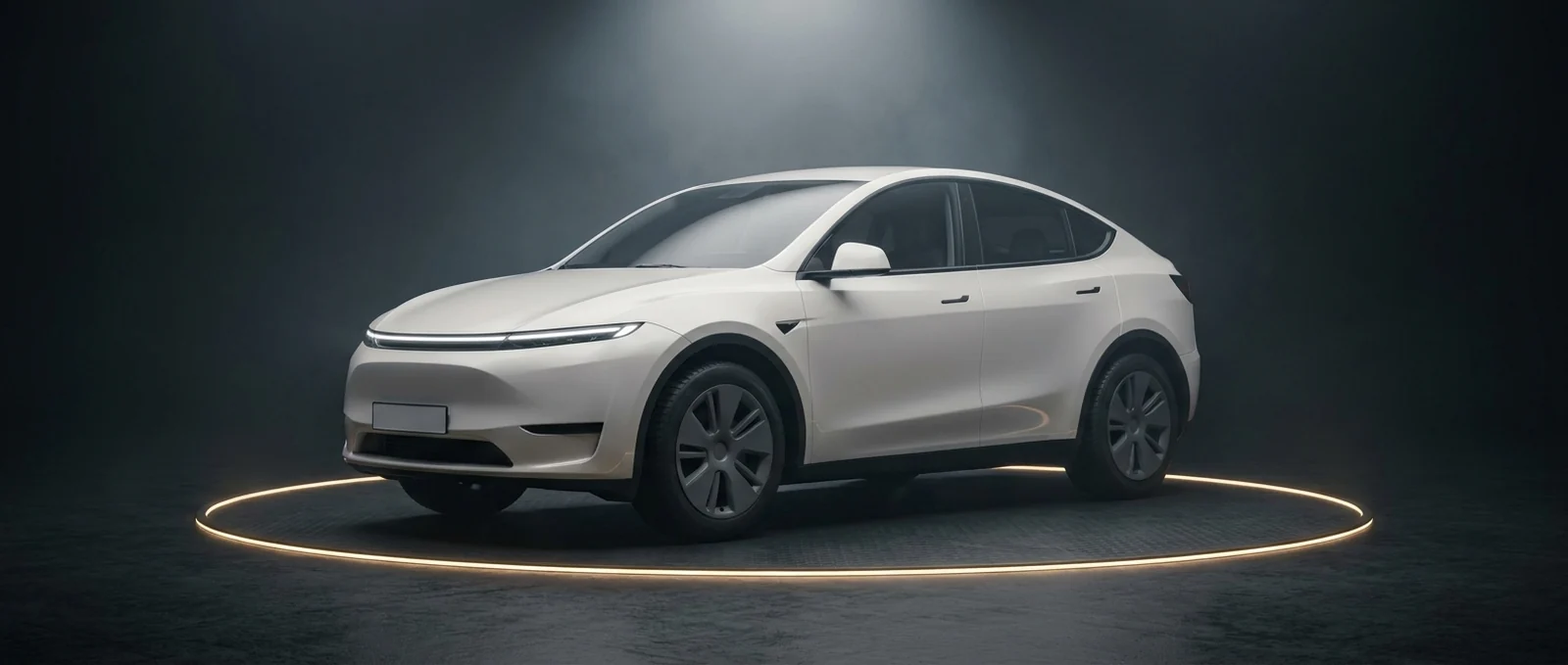
EVs are covered on the same terms as any other new car, and the usual patterns are battery, charging, drive-unit and software faults. If a software update doesn't fix the problem, it should still be written up as a repair visit, with the complaint in your own words. City EV owners often depend on public chargers, so keep a record of charging failures, with the date and the station. See our electric vehicle lemon law guide.

What Our Clients Say

Real results from real clients who trusted
RockPoint Law with their lemon law claims.

Used Cars

Is there a lemon law for used cars in New York City?

Yes, and it comes in two layers, one state and one city. The state layer is General Business Law section 198-b, the Used Car Lemon Law. The city layer is the licensing and the Used Car Consumer Bill of Rights that DCWP enforces against dealers in the five boroughs, set out in where your case is heard above. A car bought while it is still inside the first 18,000 miles or two years from original delivery is treated as new under section 198-a instead.

Section 198-b requires a dealer to give you a written warranty covering parts such as the engine, transmission, drive axle, brakes, radiator, steering and alternator. The Attorney General's summary says it applies to a car bought or leased from a dealer, meaning someone who has sold at least three cars in the past twelve months, used mainly for personal purposes, priced at $1,500 or more and with up to 100,000 miles when sold. A private sale on a city street is not covered.

How long the dealer's warranty has to run

The length depends on the mileage when you bought the car, according to the Attorney General's Used Car Lemon Law guide:

The shortest used car warranty a New York dealer may give, by mileage at sale, ending at whichever limit comes first
Odometer reading at the saleMinimum warranty
18,001 to 36,00090 days or 4,000 miles
36,001 to 79,99960 days or 3,000 miles
80,000 to 100,00030 days or 1,000 miles

When a used car refund may be owed

A refund may be owed once the dealer has had three or more tries at the same covered defect without fixing it, or the car has spent fifteen or more days out of service. A section 198-b refund carries no mileage formula. The same Attorney General's arbitration program that hears new car claims also hears used car claims, with its own request form.

The two layers can run side by side. A dealer that refused to honor the section 198-b warranty may face a DCWP complaint about how it sold the car and a used car lemon law claim about the defect, each in its own place.

Start My Free Case Review 

Why RockPoint

Why New York City drivers choose RockPoint Law

Lemon law and consumer warranty work is the core of our practice, and we represent drivers in every borough. Whether you live up in Riverdale or down in Tottenville, the work goes the same way, since a New York claim is built on repair orders, a request form and a hearing at a location you choose, and none of those depend on which borough you're in.

Lemon Law Is Our Core Practice

Lemon cases aren't something we fit in around other work here. Warranty and lemon law is what we do, day in and day out, for drivers who got stuck with defective vehicles.

A Real Office, One Train Ride Out

Our only New York office is at 1129 Northern Boulevard in Manhasset, in Nassau County, and to get there from the city you take the Port Washington Branch, which the LIRR schedule has at about 40 minutes from Penn Station or Grand Central Madison and about 28 from Woodside. Once you're off the train, the office is under a mile from Manhasset station, though most city clients never need to make the trip at all.

We Know the City Route

A city claim has a few questions of its own, like which borough to name for the hearing, or when a rideshare history needs answering before the form does, or which county an award challenge belongs in and when a claim is big enough for Supreme Court or federal court, and we run that whole sequence for you.

Clear Communication

We keep you posted with straight updates at every stage of your case, so you don't get silent stretches and you don't get surprises.

No Upfront Legal Fees

If the case qualifies, it runs on contingency, meaning you don't pay a fee unless we recover for you. And a consumer who wins in the state program gets the $250 filing fee back.

Meet the Firm Behind Your Claim

The same attorneys who handle claims nationwide handle them here. Two minutes on who we are and how we work.

Side-by-Side

Do I need a lemon law attorney in New York City?

This compares a city claim handled alone with one handled with an attorney, and if you flip the switch you'll see the same four moments from both sides.

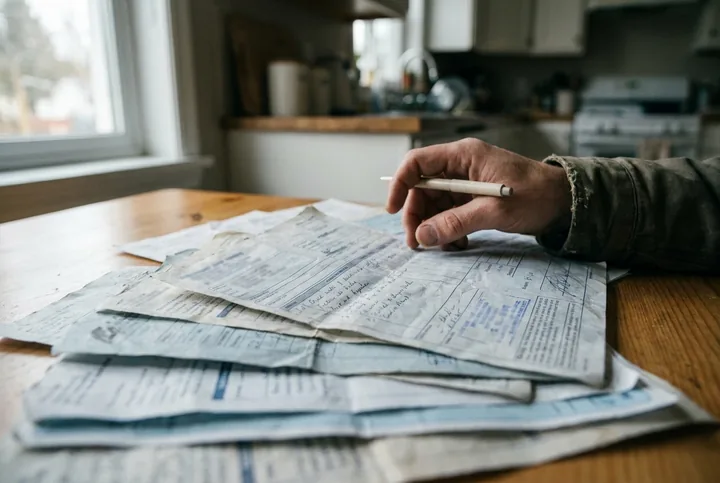
Vehicle repair invoices spread across a kitchen table with a hand hovering over them
On your own1 / 4

Filing without answering the personal-use question

Question 8 on the state's form asks whether the car is used primarily for personal, family or household purposes. Someone who does weekend rideshare shifts may tick yes without the numbers to back it up, or tick no and give up a claim the law would have allowed, and either way that answer shapes everything after it.

A person on the phone at a home desk with a notepad of call notes
On your own2 / 4

Taking a manufacturer defect to 311 and waiting

311 forwards consumer complaints to DCWP, and DCWP deals with dealers, not manufacturer buybacks. Months can pass in mediation with a dealership that has no power to refund a new car, and all the while the four years from delivery keep running.

A wall calendar with deadline dates circled in red beside a set of car keys
On your own3 / 4

Letting street damage into the defect file

Section 198-a(c)(3) lets a manufacturer defend on the ground that the problem came from abuse, neglect or unauthorized modification. If a suspension complaint is sitting next to a pothole repair on the same invoice, that hands it the argument, and an aftermarket part fitted at a corner shop does the same.

One person alone at the end of a long empty hearing room table
On your own4 / 4

Missing the 90-day window after a bad award

The award binds both sides. The only way back is a court challenge under CPLR Article 75 within 90 days, in Supreme Court in the right county, on narrow grounds. And if you wait around to see whether the manufacturer will reconsider, that can use up the whole window.

Hands working through an organized stack of repair orders with a highlighter and index tabs
With RockPoint Law1 / 4

The use split documented before question 8

We compare your trip summaries with the odometer readings for the period around your repairs, so whatever answer goes on the form is one you can prove. If it turns out the state route is closed, you hear that from us first, along with the federal alternative.

A certified mail envelope and return receipt card being prepared on a desk
With RockPoint Law2 / 4

Each problem sent to the body that decides it

The defect claim goes to the Attorney General's program or to court, and a used-car dealer that broke the city's rules goes to DCWP, and where both apply, both get filed, in the right order.

An open case planner with color-coded deadline tabs being marked
With RockPoint Law3 / 4

A defect record the manufacturer cannot blur

We pull the road-damage repairs apart from the warranty repairs, check each repair order to see that the complaint is worded consistently, and flag any aftermarket part before the manufacturer gets the chance to.

A bound exhibit folder open on a conference table
With RockPoint Law4 / 4

The right county, inside the 90 days

We read the award as soon as it arrives and decide quickly whether it can be challenged, and then we file in your county's Supreme Court as section 198-a(k) requires, well before the deadline.

Serving All Five Boroughs

On the ground across New York City

Five boroughs, five counties, and a city layer of rules

New York City is five boroughs and also five counties, which are New York, Kings, Queens, Bronx and Richmond, and the courts use the county names, so a Brooklyn driver's award challenge gets filed in Kings County and a Staten Island driver's gets filed in Richmond. The city also has its own layer of vehicle regulation sitting on top of the state's. The Taxi and Limousine Commission licenses for-hire vehicles and, by law, 13,587 yellow taxis. DCWP licenses every used car dealer and tow company, and none of that changes the lemon law, but all of it does show up in city claims.

Short, slow miles

Driving here is hard on a car in a way that's different from other places. The miles are short and slow, with the BQE and the Cross Bronx at a crawl and the FDR and the Major Deegan in stop-and-go and the Belt Parkway and the Staten Island Expressway at rush hour, and so much of the running is at low speed with long idles, which is where transmission hesitation, start-stop faults, brake noise and battery drain can show themselves. After all that the car sits at the curb for days at a time between moves for street cleaning.

Potholes, curbs and the abuse-or-neglect defense

Everybody who drives in the city knows the streets, and the manufacturer knows them just as well, and section 198-a(c)(3) gives it two defenses: that the problem does not substantially impair the car's value, or that it came from abuse, neglect or unauthorized modification. So a suspension clunk that started the week after a hard pothole hit is the kind of fault it will try to pin on the road instead of the factory.

The way you answer that is with the record. A defect that shows up on a car with no impact damage, keeps coming back after the same repair and gets written up the same way each visit is a warranty defect, no matter what street it happened on. Keep road-damage repairs on separate invoices, take a photo of any impact damage when it happens, and don't let a shop put aftermarket parts on a car you may need to return.

Buying across the river: New Jersey, Westchester and Long Island dealers

A lot of city drivers buy outside the five boroughs. If you bought at a Long Island or Westchester dealership, it's a New York sale, and nothing changes, but if you bought in New Jersey and registered the car at a city address, that needs a closer look. The New York statute defines a covered vehicle as one bought, leased or transferred in New York or registered here, and the Attorney General's eligibility list says the same. But subdivision (b)(1) of section 198-a speaks of a vehicle "sold and registered in this state," so an out-of-state purchase deserves a careful read before the form goes in.

New Jersey has a lemon law of its own, and a car bought there may qualify under it as well, which our New Jersey lemon law page goes into, and when a claim could run in either state, we compare the two before choosing.

We take claims from all over the five boroughs, including:

  • Manhattan
  • Brooklyn
  • Queens
  • The Bronx
  • Staten Island
  • Harlem
  • Astoria
  • Flushing
  • Jamaica
  • Bay Ridge
  • Riverdale
  • Tottenville

How to reach us

Our office is at 1129 Northern Blvd., Suite 404, Manhasset, NY 11030, in Nassau County, and it's the firm's only New York office, and we don't have one in the city. Most city clients never need to visit, because the request goes to the Attorney General by email and the repair orders are scans and the hearing is at the borough location you pick. If you'd like to come in, you can take the LIRR Port Washington Branch to Manhasset, where the schedule runs about 40 minutes from Penn Station or Grand Central Madison and about 28 from Woodside, and the office is under a mile from the station. The quickest way to start is the online intake form. We review every request that comes in and respond as soon as we can, and you can also call (516) 550-3323.

If you want the statute itself, that's on our New York lemon law page, and for Nassau and Suffolk there's our Long Island page.

New York state and regional pages

Case Results

Recent RockPoint Law recoveries

These figures come from our firm's published lemon law settlement record across brands. They are firmwide results, not New York City outcomes, and they show what a well-documented defect claim can be worth when it's handled properly.

$160,264 BMW X6

Recovery on a vehicle plagued by engine, electrical, and suspension defects.

$144,550 Porsche Macan

Refund for a Macan with recurring suspension, drivetrain, electrical, and HVAC problems.

$110,289 Rivian R1T

Recovery after repeated electrical, drive-unit, and suspension failures on an electric pickup.

Figures are drawn from our firm's published settlement record and are not specific to New York City matters. Prior results do not guarantee or predict a similar outcome in any future case. See more RockPoint Law settlements 

RockPoint Law, by the numbers

$50M+**
Recovered for clients
3,000+‡
Cases handled
25+
Years of combined experience
97%*
Resolution rate
  • Free Consultation
  • No attorney's fees unless we recover for you.†
Recent Google reviewsAcross all RockPoint offices: 4.8 from 19 Google reviews
  • ★★★★★a month ago
    I had a really good experience with RockPoint Law. The whole process was a lot easier than I expected and everyone I dealt with was helpful and responsive. Whenever I had a question, I was able to get an answer without feeling like I was chasing anyone down. They handled everything and kept me updated along the way. Definitely glad I reached out to them.
    Ronen S. Malekmehr
  • ★★★★★6 months ago
    Saw RockPoint Law and wasn't sure. Called anyway because I was at my wit's end. Natalie Nassi answered and she remembered me from somewhere else. Same calm voice, same no-nonsense approach. She took my case and handled everything. Manufacturer bought the car back. Name on the door changed but Natalie didn't. That's what matters to me.
    Tanja Moldenhauer
  • ★★★★★6 months ago
    Saw RockPoint Law online and wasn't sure because I hadn't heard of them. But I was desperate. My car had been in and out of the shop for months. Called them up and the person I spoke with was so easy to talk to. No legal mumbo jumbo, just straight talk. They took my case and got me a buyback. New name but they know what they're doing. Would recommend.
    Rodolfo Paulino
2 more Google reviews
  • ★★★★★6 months ago
    Honestly wasn't sure about RockPoint Law since I hadn't heard of them before. But I was desperate. My car had been in the shop five times for the same problem and nobody could figure it out. Service advisor started avoiding my calls. I found RockPoint online, called, and the person I talked to was really down to earth. They took my repair orders and handled the whole thing. A few months later, the manufacturer bought the car back. New name but they got it done. Would use them again in a heartbeat.
    Om Shiv
  • ★★★★★6 months ago
    Saw RockPoint Law pop up when I was googling lemon law help. Wasn't sure about the name but figured I'd give it a shot. My Jeep Gladiator had a death wobble at highway speeds—front end would shake violently. Dealer replaced the steering stabilizer twice, still shook. The person I talked to at RockPoint was super calm and explained everything clearly. They handled the claim and Jeep bought the truck back. Glad I didn't let the new name scare me off. They got the job done.
    Víctor Torres

About this page

Written by the RockPoint Law Editorial Team · Reviewed by Steven P. Nassi, New York Attorney Registration No. 4263489 (NY Courts registration record). Prepared September 2026 to reflect New York General Business Law section 198-a (new vehicles) and section 198-b (used vehicles), with arbitration under 13 NYCRR Part 300 supervised by the New York State Attorney General. See our editorial policy.

Anyone can check a New York attorney's registration and public discipline record in the Unified Court System's attorney directory. Search by registration number rather than by name. We think you should, for any firm you are considering, including this one.

Start here

Tell us what the car is doing in New York City

Three details about the vehicle, and how to reach you.

  • The year and make of your vehicle
  • What the dealer has already tried, and whether you paid for it
  • Your name, phone and email. We review every request and respond as soon as we can

No cost, no obligation. Contacting RockPoint Law does not create an attorney-client relationship.

Meet the Team
Behind RockPoint Law

A dedicated team that stands with you through every step of your Lemon Law claim.

Aaron Waldo
Aaron Waldo
Attorney
U.S. Marine Corps veteran · Automotive background
Liam Jones
Liam Jones
Attorney
Licensed in New York & New Jersey
Christian Garcia
Christian Garcia
Senior Case Manager
Case management from intake through resolution
Rudy Gutierrez
Rudy Gutierrez
Intake Manager
First point of contact for new clients & case evaluations
FAQ

New York City lemon law questions

The questions city drivers ask us most, and what you should know before you send anything.

Does New York City have its own lemon law?

No. City drivers are covered by the state statutes, section 198-a for new cars and section 198-b for used cars from a dealer. The city's agencies sit around the edges, and the claim itself goes to the Attorney General's program or to court.

No. New York City drivers are covered by the state's lemon laws, General Business Law section 198-a for new vehicles and section 198-b for used cars bought from a dealer. There is no separate city statute, and the rules read the same in Manhattan as they do upstate. What the city adds is a layer around the edges. The Department of Consumer and Worker Protection licenses used car dealers, publishes a Used Car Consumer Bill of Rights and mediates complaints against dealers, but it does not decide manufacturer buybacks. The Taxi and Limousine Commission licenses for-hire cars, which matters because the state law only protects cars used mainly for personal purposes. The claim itself goes to the Attorney General's arbitration program or to court.

Where would my arbitration hearing be held if I live in the city?

In your own borough, if you want it there. The request form names Bronx, Brooklyn, Manhattan, Queens and Staten Island, and the hearing is held within 35 days of the filing date with at least eight days' notice.

Close to home. The Attorney General's new car request form asks where you want the hearing, and its list names Bronx, Brooklyn, Manhattan, Queens and Staten Island. The rule behind the list, 13 NYCRR section 300.7(g), requires regular hearing sites in named areas and New York City is one of them. The hearing is scheduled no later than 35 days after the filing date, with at least eight days' notice, and evening and weekend times are available. You can ask for a virtual hearing if you cannot attend in person, though the manufacturer is entitled to object and ask for an in-person one. A documents-only hearing is possible if both sides agree. Plan for parking, because the arbitrator may ask to drive the car.

Is an Uber, Lyft or TLC-plated car covered by the New York lemon law?

It turns on how the car is used, not on its plates. If personal driving is more than half of its use it can qualify under state law, and if not, the federal Magnuson-Moss Act may still apply.

It depends on how the car is used, not on the plates. Section 198-a protects a consumer who buys or leases a car used primarily for personal, family or household purposes. The Attorney General's own guide explains that a car can also be used for business as long as you drive it for personal use more than half of the time, and the request form asks the question directly. A car driven mostly on errands and commutes, with some weekend rideshare shifts, may qualify. A car dispatched through a for-hire base most of the week is a harder fit. If the state law is closed to you, the federal Magnuson-Moss Warranty Act may not be, because under 16 CFR section 700.1(a) a car stays a consumer product whatever one buyer uses it for.

Should I file a complaint with DCWP or call 311 about a lemon?

Not for the lemon law claim. DCWP handles used car dealers and their complaints, but it cannot order a manufacturer to buy back a new car, and the four-year deadline keeps running meanwhile.

Not for the lemon law claim itself. A 311 call about a consumer problem is routed to the Department of Consumer and Worker Protection, which licenses used car dealers in the city and mediates complaints against them. That is useful if a used car dealer broke the city's used car rules, refused to honor the warranty it had to give you, or hid a financing fee. It cannot order a manufacturer to refund or replace a defective new car. That claim belongs to the Attorney General's arbitration program or to a court, and the four years from delivery that section 198-a(j) allows keep running while a complaint sits with the wrong office. Where a dealer problem and a defect claim overlap, both can be pursued, each in its proper place.

I bought the car in New Jersey but it is registered in the city. Does New York law apply?

Possibly, but it needs a careful read. New York's statute covers a car bought in New York or registered here, yet one subdivision speaks of a car sold and registered in the state, and New Jersey's own lemon law may also apply.

Possibly, and it needs a careful read. Section 198-a(a)(2) defines a covered vehicle as one that came with the manufacturer's written warranty and was either bought, leased or transferred in New York inside the first 18,000 miles or two years, or is registered in New York. The Attorney General's eligibility checklist uses the same either-or wording. Subdivision (b)(1), though, describes a new car that is sold and registered in this state, and the Attorney General can reject a request if the car was not bought or registered here. New Jersey has its own lemon law, and a car bought there may qualify under it instead. Our New Jersey lemon law page covers that statute. When both states could apply, we compare them before anything is filed.

Which court hears a lemon law case from the five boroughs?

It depends on whether you arbitrate or sue, and on the amount. Award challenges go to Supreme Court in your county, the Civil Court stops at $50,000, and federal claims split between the Southern and Eastern Districts.

That depends on whether you arbitrate or sue, and on the amount. If you arbitrate, a court only enters to confirm, vacate or modify the award, and section 198-a(k) says that proceeding goes to the county where you live or where the hearing was held. For a city driver that is Supreme Court in New York, Kings, Queens, Bronx or Richmond County. If you sue, the Civil Court of the City of New York hears claims up to $50,000 and its small claims part up to $10,000, so a full buyback usually belongs in Supreme Court. A federal warranty claim needs at least $50,000 in controversy, and then the Bronx and Manhattan go to the Southern District while Brooklyn, Queens and Staten Island go to the Eastern District.

Can a manufacturer blame New York City potholes for my car's problems?

It can try, under the abuse-or-neglect defense in section 198-a(c)(3). A clean repair record, with road damage kept on separate invoices, is what answers it.

It can try. Section 198-a(c)(3) gives a manufacturer two defenses: that the defect does not substantially impair the car's value, or that it came from abuse, neglect or unauthorized modification. City streets invite the second argument, especially for suspension, steering, alignment and tire complaints. What answers it is the repair history. A fault that keeps coming back after the same warranty repair, on a car with no recorded impact damage, described the same way at each visit, looks like a defect rather than a pothole. Keep road-damage repairs on separate invoices, photograph impact damage when it happens, and avoid aftermarket parts on a car you may need to return. Faults that have nothing to do with the road, such as electrical, software, transmission or battery problems, are much harder to blame on the streets.

How long does a lemon law claim take for a New York City driver?

Usually months rather than years if you arbitrate. The hearing comes within 35 days of the filing date, the decision follows, and the manufacturer then has 30 days to comply once you accept.

Usually months rather than years, if you arbitrate. After the Attorney General accepts the request, the program administrator asks for the fee, and the day it arrives is day one. Under 13 NYCRR section 300.7 the hearing is set no later than 35 days after that, with at least eight days' notice. The arbitrator normally decides within five days of the hearing, or within 40 days if more documents are needed. If you win and accept the award, the manufacturer has 30 days to comply, and section 198-a(h) then charges it $25 for each business day of delay, up to $500. What stretches the timeline is usually the work before filing, such as tracking down repair orders a city dealership never printed. A lawsuit in Supreme Court takes considerably longer.

What does it cost to bring a New York lemon law claim from the city?

The state program charges a $250 filing fee on a new car, refunded if you win. Our fees are contingency-based, with no fee unless we recover, and courts can award attorney's fees to a consumer who prevails.

The state's arbitration program charges a $250 filing fee for a new car, paid to the program administrator after the Attorney General accepts your request, not with the form. If you win, the award includes a refund of that fee. Our own fees are separate: we take these cases on a contingency basis, with no upfront legal fees and no fee unless we recover for you. In a court case, section 198-a(l) allows a judge to award reasonable attorney's fees to a consumer who prevails, including in a court proceeding that arises out of the arbitration, and the federal Magnuson-Moss Act allows costs and fees to a consumer who finally prevails. Both awards are up to the court. The first consultation with us costs nothing.

I bought a used car from a dealer in the city. What protects me?

Two sets of rules: the state's used car lemon law, section 198-b, which requires a written dealer warranty, and the city's Used Car Consumer Bill of Rights, which DCWP enforces against licensed dealers.

Two sets of rules, one state and one city. New York's used car lemon law, section 198-b, requires a dealer to give a written warranty on a used car bought mainly for personal use that costs at least $1,500 and has no more than 100,000 miles, covering parts such as the engine, transmission, drive axle, brakes, radiator, steering and alternator. On top of that, the city's Used Car Consumer Bill of Rights requires a DCWP-licensed dealer to honor its advertised price, disclose the lowest financing rate it was offered, itemize any add-ons and offer a two-weekday contract cancellation option. A warranty dispute can go to the Attorney General's used car arbitration; a dealer that broke city rules can be reported to DCWP.

Do I have to travel to your Manhasset office?

No. Most city clients never visit the Manhasset office, because the request is emailed, the repair orders travel as scans and the hearing is in your borough. If you want to come in, the LIRR Port Washington Branch stops at Manhasset.

No. Our only New York office is at 1129 Northern Blvd., Suite 404, Manhasset, in Nassau County, and most city clients never visit it. The request for arbitration goes to the Attorney General by email, repair orders travel as scans, and the hearing is held at the borough location you choose on the form. We handle calls and video meetings with clients in all five boroughs. If you would like to meet in person, the LIRR Port Washington Branch stops at Manhasset. The published schedule runs about 40 minutes from Penn Station or Grand Central Madison and about 28 minutes from Woodside, and the office is under a mile from the station. Call (516) 550-3323 or use the online form, and we can set a time that fits around work.

My leased car is a lemon. What happens to the lease?

A leased car is covered when the lease makes you responsible for repairs. If you win, you get back your capitalized cost, the leasing company gets the rest, and the lease ends on the decision date with no early-termination penalty.

A leased car is covered when the written lease makes you responsible for repairs, which is how section 198-a(a)(5) defines a lessee. Section 198-a(c)(2) sets out how a refund is shared when a lessee wins. You receive your capitalized cost, meaning your deposit and the lease payments already made, less service fees such as the interest charge built into the payments. The leasing company receives the lease price less what you already paid it. The lease is treated as ended on the date of the arbitrator's decision, and no early-termination penalty can be charged because of it. The Attorney General's program notifies the leasing company about the claim and the hearing date. Bring the lease agreement to your case review, because the figures in it decide the arithmetic.

Don't take on the manufacturer alone.

Tell us the vehicle and what the dealer has already tried. No fee unless we recover for you.†

Free & Confidential — No attorney’s fees unless we recover for you.