
Updated:
Reviewed by Natalie Nassi, Esq., Managing Partner, RockPoint Law P.C.
Yes. Federal law requires vehicle manufacturers to fix a safety recall at no charge, whether that means a repair, a replacement part, a refund, or in rare cases buying the car back. The main catch is that the free remedy generally applies only to vehicles up to 15 years old, measured from the date the defect was determined.
For example, the Acura TLX brake-pedal recall is repaired free of charge under the manufacturer's recall program.
At RockPoint Law, we work with drivers who open a recall notice and aren’t sure what they owe or what to do when a dealership stalls. Our attorneys handle lemon law and recall disputes, and we know how car manufacturers are supposed to act when a defect turns up. If a recall on your vehicle isn’t being handled the way the law requires, a free case review is a sensible first step.
In this guide, we will cover how recalls work, how to check your vehicle, what to do after a safety recall notice arrives, and where the free-repair rule runs into limits.
What Are Vehicle Recalls?
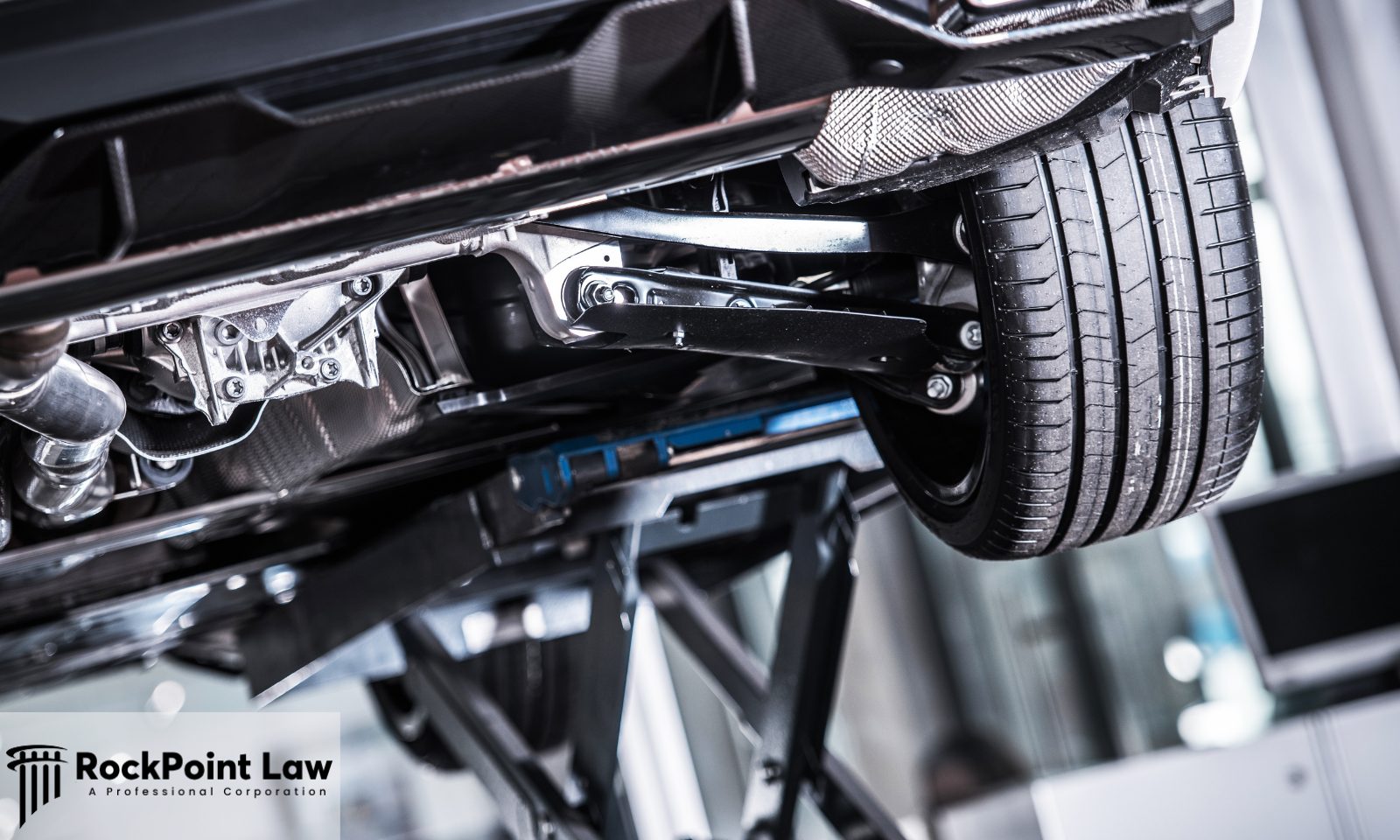
A vehicle recall happens when a vehicle manufacturer or the National Highway Traffic Safety Administration (NHTSA) decides that a car has a safety defect or fails to meet federal safety standards for motor vehicles. At that point, the manufacturer has to tell owners and fix the problem. The defect can be anything from a part that was manufactured incorrectly to a component that wears in an unexpected manner.
Most recalls trace back to a safety problem that could put people at risk. Common reasons include faulty brakes, airbags that may not deploy, steering failures, fuel leaks that create a fire risk, and software glitches in newer cars. If a defect creates a potential safety hazard on the road, it typically qualifies for a recall.
A recall almost never covers a single car. It covers every motor vehicle built with the same defect, often grouped by model year and build dates. One bad component can pull hundreds of thousands of cars into the same campaign.
How Are Recalls Issued?
Two players drive the process. A car manufacturer can find a defect through its own testing or warranty data and report it. NHTSA can also open an investigation after drivers file complaints, and that pressure can push a company toward an initial recall announcement. Either way, the manufacturer carries the legal duty to act once a safety defect is confirmed.
Once a defect is determined, the manufacturer files a report with NHTSA within five business days. From there, it has 60 days to notify registered owners, and the recall notice goes out by first-class mail. That letter has to spell out the safety issue, the risk if the defect is left alone, and how and where to get the repair done at no cost.
In 2024, manufacturers issued 984 safety recalls involving more than 35 million vehicles, child safety seats, tires, and equipment, according to NHTSA’s 2024 Annual Recall Report. Recalls are routine, not rare, which is why knowing the process matters before a letter shows up in your mailbox.
How to Check if Your Car Has a Recall
The fastest way to check is NHTSA’s free lookup tool. You type in your vehicle identification number, and the tool shows any open recalls on that specific vehicle, what the safety issue is, and what the remedy is. Because it pulls from manufacturer data, it reflects safety recalls across the industry, not just one brand.
You have other options too. A dealership service department can run your VIN and flag open recalls before you book work. Vehicle history services like Carfax also flag recalls tied to a car, which helps when you are shopping for a used car and want to know what is still unrepaired. Some tools let you search by license plate, but the VIN check gives the cleanest answer.
What Information Is Required to Check for Recalls?

The one detail you really need is your VIN, the 17-character vehicle identification number unique to your car. Pair it with basic manufacturer details if a tool asks, such as the make, the vehicle’s year, and the model. With the model year and the VIN, a lookup can match your car to any campaign it belongs to. Finding the number takes a few seconds. Here is where to look.
Where to Find Your Car’s VIN
| Where to Find Your Car’s VIN | What to Look For |
|---|---|
| Windshield | A stamped plate located at the lower-left corner of the car’s windshield that can be read from outside the vehicle. |
| Driver-Side Doorjamb | A sticker or label on the door frame where the driver’s door latches. |
| Vehicle Registration | The VIN is typically printed near your name and the vehicle’s description. |
| Insurance Documents | Listed alongside the vehicle’s year, make, and model on your insurance card or policy documents. |
What Are the Steps to Take After Receiving a Recall Notice?
A safety recall notice can feel alarming, but the steps after it are straightforward. Work through them in order so nothing slips.
- Read the letter: Find out what the defect is, how serious it is, and whether you are being told to stop driving until the fix is done.
- Confirm the repair is free: Federal law requires recall repair on eligible vehicles to be provided free, so you should not be quoted a charge for the recall work itself.
- Contact your dealer: Call an authorized dealership for that brand, not just any shop, and give them your VIN so they can confirm the open recall.
- Schedule a repair appointment: Ask whether the replacement parts are in stock; if they are on back order, the wait can run several weeks.
- Ask about a loaner car if you need one: When parts are delayed or the car is unsafe to drive, some manufacturers voluntarily provide a loaner, but the law does not require it.
- Keep records: Save the recall notice and your repair order, and if you paid out of pocket for the same problem before the recall, hold onto those receipts for a reimbursement request.
- Follow up until it is done: If the dealer cancels, delays repeatedly, or tries to charge you, get it in writing and consider calling a lemon law attorney.
What Are Your Rights After Receiving a Recall Notice?
A recall does not cancel your warranty, and the free repair does not eat into your warranty coverage. The recall remedy and your warranty run on separate tracks, and getting recall work done at the dealer keeps your service history clean if a related problem shows up later.
Manufacturers carry real legal duties here, not suggestions. Under the federal motor vehicle safety law, a company that finds a safety defect has to notify owners and provide a free remedy, and the notice itself must reach as many current owners as possible and explain the fix in plain terms.
Your rights also reach backward in time. If you paid to fix the defect before the recall was announced, the manufacturer may owe you money. NHTSA’s rules require companies to reimburse vehicle owners for qualifying repairs made within a set window before the recall, so a reimbursement request is worth filing if the dates line up.
Recalls follow the vehicle, not the person who first bought it. Second or third owners are usually covered too, as long as the car is within the eligibility window. If you bought a used car and a recall surfaces, you generally have the same right to a free repair as the first owner did.
Are Recalls Fixed for Free?
When a safety recall is issued, the manufacturer has a legal obligation to fix the defect at no cost to you. That duty is set by federal law, and it applies whether the company found the defect itself or NHTSA forced it into the open.
The company gets to choose how it meets that duty, but the choice has to actually solve the problem. The notice will inform you of the remedy that is applicable to your vehicle.
| Recall Remedy | What It Means |
|---|---|
| Repair | The dealership repairs the defective part or condition at no cost to the vehicle owner. |
| Replace | A faulty component is removed and replaced with a new or corrected part. |
| Refund | The manufacturer reimburses the owner for qualifying repair expenses that were paid before the recall was announced. |
| Repurchase | In limited circumstances, the manufacturer may buy back the vehicle if the defect cannot be adequately remedied. |
What Are the Exceptions and Limitations of Recall Repair?
The biggest limit is age. To qualify for a free remedy, the vehicle generally cannot be more than 15 years old on the date the defect or noncompliance is determined, and that age is counted from the date the car was first sold. Past that point, federal law no longer forces a free fix, though some car manufacturers voluntarily provide one anyway.
A few other gaps matter. The free-repair rule covers the recalled defect, not unrelated wear or damage, so routine maintenance and non-recall problems are still on you, and reimbursement for an earlier out-of-pocket fix only applies inside a defined date window. The right to a free repair can also fade if you let a recall sit too long on an aging car, so acting promptly is the surest way to avoid paying for what should be covered.
Protecting Your Wallet: How RockPoint Law Ensures Recalls Are Fixed for Free
RockPoint Law does not pay your repair bill, and no honest firm should claim it does. What we do is make sure the people who are supposed to pay actually do. The law gives you a right to a free recall repair, and our job is to enforce that right when a manufacturer or dealer tries to dodge it.
That work takes a few shapes. We push manufacturers to honor their obligations when a dealership stalls or quotes a charge it should not. And when a defect keeps coming back, or the same problem gets “fixed” again and again, we step in under your state’s lemon law to pursue a buyback, a replacement, or compensation.
“A recall notice is a promise the manufacturer made under federal law. When they break it, that is when a lawyer earns their keep.”
— Liam Jones, Attorney, RockPoint Law
We handle these matters on a contingency basis, so if we do not recover for you, you do not pay a fee.
The clearest benefit is money you keep. When a recall is handled the way the law intends, you should not face surprise charges for the fix or get talked into paying for unrelated work bundled alongside it. There is also the part that does not show up on an invoice. A car with an open recall has a known safety problem, and driving it on bad brakes or a fire risk is a gamble nobody should take. Getting the defect repaired means a safer, updated vehicle and one less worry every time you pull out of the driveway.
For example, Sarah contacted RockPoint Law after receiving a recall notice for a serious fuel system defect in her SUV. Although federal law required the repair to be performed at no cost, the dealership repeatedly delayed the work and attempted to charge her for services tied to the recall.
After reviewing her case, RockPoint Law stepped in and communicated directly with the manufacturer, insisting that it comply with its legal obligations. The pressure worked: the manufacturer authorized the repair, covered the associated costs, and ensured the defect was fixed without Sarah paying out of pocket. What began as a frustrating and confusing situation ended with a safe vehicle, a completed recall repair, and a driver who was able to enforce her rights without taking on the fight alone.
Ready to Speak to a Lemon Law Attorney About Your Recall?
Addressing a recall quickly is one of the simplest ways to protect your safety and your wallet. Unrepaired recalls leave a known defect on the road, and the older a vehicle gets, the closer it drifts to the 15-year line where the free-repair right runs out. A short trip to the dealer now beats a hard repair bill or a crash later.
Are you being told to pay for a recall repair that should be free? RockPoint Law helps consumers hold manufacturers accountable when dealerships delay repairs, refuse coverage, or fail to honor recall obligations under federal and state law. Our lemon law attorneys understand the overlap between recall rights and lemon law protections, allowing us to identify when a simple recall issue may entitle you to much more. If you’re facing pushback over a recall repair, contact us today for a free consultation and find out what options may be available to you.
Frequently Asked Questions About Vehicle Recalls
Vehicle recalls can raise a lot of questions, especially about whether the repair is free and what steps drivers need to take next. Here are answers to some of the most common questions about car recalls, free recall repairs, and how to check whether your vehicle is affected.
How Can I Check if a Recall Has Been Fixed for Free?
Run your VIN at nhtsa.gov/recalls. Once the work is completed, the open recall clears from your record, and your dealer repair order is proof the fix was done at no charge.
What Should I Do if My Car Has a Recall?
Contact an authorized dealership for your brand, give them your VIN, and schedule the free repair. Confirm there is no charge for the recall work and keep your paperwork.
Are All Recalls Fixed for Free?
Most recall repairs are free, but not every vehicle qualifies. The free remedy generally applies to cars up to 15 years old from the date the defect was determined. Older vehicles get a free fix only if the manufacturer chooses to extend it.
Are Recalls Fixed for Free by the Manufacturer?
Yes. The vehicle manufacturer covers the cost of an eligible safety recall repair, not the dealer or the owner. Federal law requires the company to provide the remedy at no cost.
How Do I Know if My Vehicle Is Subject to a Recall?
Enter your vehicle’s VIN at nhtsa.gov/recalls, or ask a dealership to run it. You will also get a notice by first-class mail if your car is affected, so keep your registration address current.
What Should I Do if My Vehicle Is Recalled?
Read the notice, check whether you should limit driving, and book the free repair. If you already paid to fix the same defect, save your receipts and file a reimbursement request.
Can I Continue Driving My Vehicle if It Is Subject to a Recall?
It depends on the defect. Some notices say the car is safe to drive until parts arrive; others, such as a fire risk or brake failure, warn you to stop driving right away. Follow the guidance in your letter.
How Long Does It Take to Get a Recall Fixed?
Many repairs take a few hours at the dealer. The longer wait is for replacement parts, which can run several weeks on a back order, so ask about a timeline and a loaner car.
Disclaimer: This article is general information about vehicle recalls and consumer rights. It is not legal advice, and reading it does not create an attorney-client relationship with RockPoint Law. Recall rules and lemon laws vary by state, and the facts of your situation matter. For advice about your specific case, consult a licensed attorney in your state.