

Updated:
Reviewed by Natalie Nassi, Esq., Managing Partner, RockPoint Law P.C.
The RAM 1500 is Stellantis’ half-ton full-size truck, and the 3500 is its heavy-duty sibling, and both are workhorses for California contractors, ranchers, and overland drivers. Both carry a list of reported issues worth knowing. The most common problems on the 1500 cluster are around the Hemi engine, air suspension on higher trims, and the electrical system, while the 3500 adds heavy towing wear and Cummins-related concerns on diesel builds.
At RockPoint Law, our consumer-rights attorneys handle lemon law and warranty claims for drivers stuck with trucks that keep coming back for the same problem. If your RAM has logged repeat failures that the dealer can’t fix, a free case review will tell you whether you have a claim.
In this article, we will cover the engine, transmission, and electrical problems most often reported on the RAM 1500 and 3500, the maintenance habits that head them off, and what to do when the repairs stop sticking.
What Are the Common Engine Issues in Ram 1500/3500?
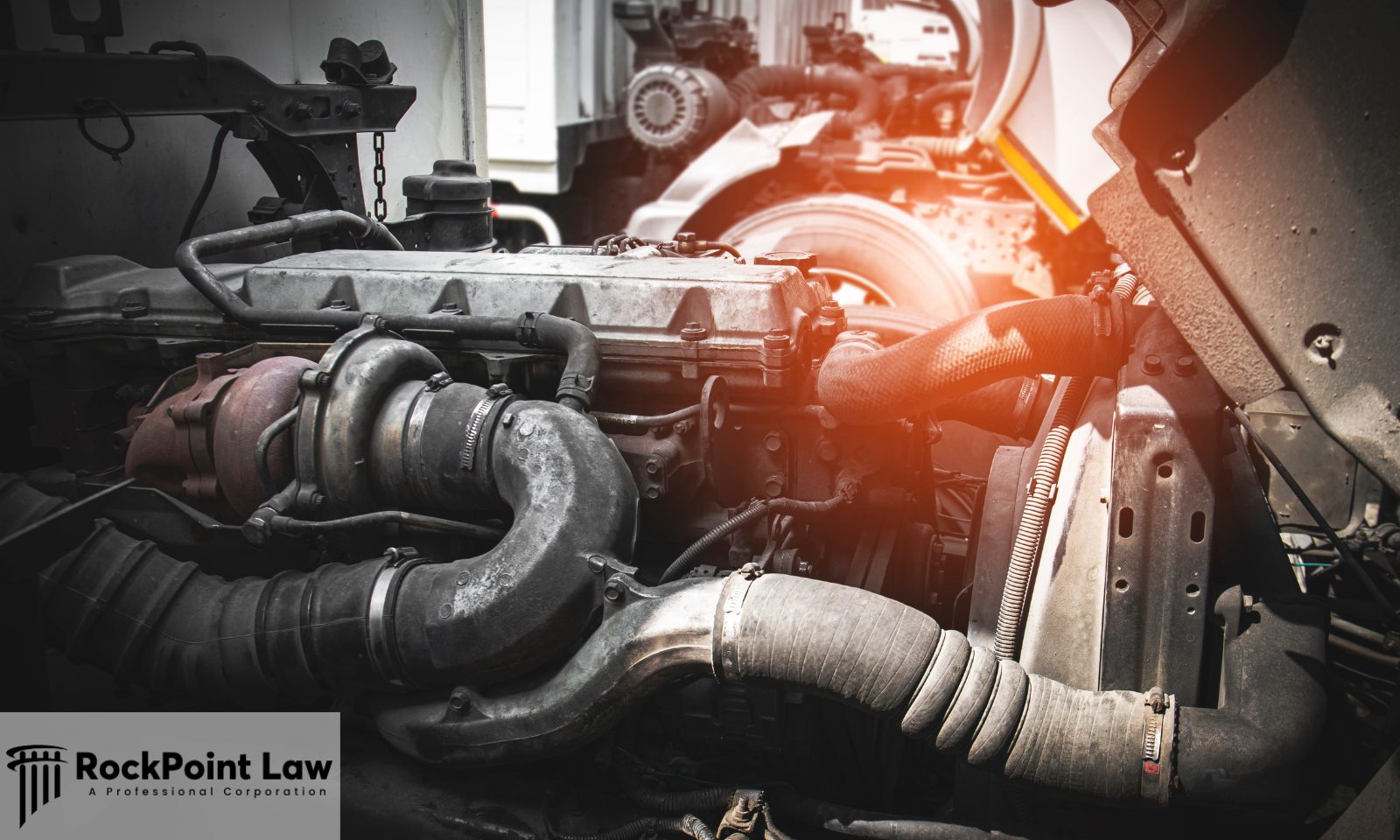
Engine complaints on the RAM 1500 and 3500 cover a wide range, but a handful show up repeatedly across owner forums, NHTSA filings, and dealer service reports. The Hemi engine (5.7L V8 in most 1500s and 6.4L in heavy-duty trims) has logged issues with MDS lifters, exhaust manifold cracking, and oil consumption that climbs after 80,000 miles. Cummins diesel 3500s log their own patterns that include high-pressure fuel pump failures, EGR valve clogging, and turbo concerns under heavy loads.
The warning lights that show up first are the check engine light, oil pressure light, and, on diesels, the DEF or emissions warning light. Drivers who push through without diagnosing often escalate a $400 sensor job into a $4,000 repair.
In general, 2017–2018 models and properly maintained 2020–2024 versions tend to be more reliable than older models. Many owners of 2014-2018 trucks report repeat failures on the same components. If you’re shopping for a used vehicle, pull the VIN and check the maintenance history before the price.
Regular maintenance is the cheapest insurance on these motors. Sticking to the oil change interval, replacing air and fuel filters on schedule, and addressing exhaust leaks early keeps the engine inside its design envelope.
What Are the Specific Engine Problems of the Ram 1500/3500?
Three engine problems come up more than the rest in RAM 1500 and 3500 owner reports. Each has a clear cause and a clear repair path, but the cost of ignoring them climbs fast.
1. Oil Leaks
Oil leaks on RAM trucks usually start at the valve cover gasket, oil pan gasket, or rear main seal. Heat cycling, age, and aftermarket gaskets push the failure along. Drivers spot it as a puddle, a burnt-oil smell after a hard pull, or fresh oil on the underside of the engine.
Gasket replacement runs a few hundred dollars when caught early. The rear main seal is the expensive one because the transmission has to come out, which pushes the bill into four figures. Oil that drips onto the exhaust manifold burns off, masks the leak, and accelerates exhaust manifold corrosion at the same time.
Prevention is easy: run the oil change interval, use genuine components or OEM-equivalent gaskets, and check the oil level monthly. After 100,000 miles, do an underbody look every oil change.
2. Overheating Issues
Overheating usually traces to a tired water pump, failed thermostat, or clogged radiator. Heavy towing and California heat push the cooling system to its limit, and a system 80% of the way to failure picks that moment to go.
When the temperature climbs, pull over. Driving an overheating engine warps the cylinder heads, and a head gasket repair on a Hemi runs $2,500-$4,000 before anyone touches the warped head. Once cool, check coolant, look for water leaks at the hoses and pump weep hole, and listen for the cooling fan.
A water pump replacement runs $500-900 at most California shops. A thermostat is cheap. A clogged radiator means a flush or replacement. Diesel 3500s have an added risk: EGR cooler failure that dumps coolant into the intake.
3. Engine Knocking
Engine knocking on the Hemi is one of the most reported issues, especially on 2014-2018 builds. The knock usually traces to MDS lifter collapse. It often starts as a tick at idle that gets louder under load, more obvious on cold starts. On the diesel 3500, knocking can point to the timing chain, injector failure, or fuel system pressure.
A scan tool pulls a misfire code, and a tech can isolate the cylinder with a deactivation test. Driving through a knock almost always turns a lifter job into a camshaft job and doubles the cost.
The fix on a collapsed MDS lifter is a lifter and pushrod replacement, sometimes with a new camshaft. Many owners delete MDS at the same time to prevent repeat failures. On diesels, a timing chain or injector job is more involved, but addressing it early keeps the high-pressure fuel pump system intact.
What Are Maintenance Tips for Ram 1500/3500 Engine Problems?
Regular oil changes and filter replacements are the single most effective preventative maintenance you can do. The Hemi runs hot under load and oxidizes oil faster than the manual suggests, which has a 10,000-mile interval for trucks doing real work. If you tow, plow, or sit in traffic, drop to 5,000-7,000 miles.
Use a high-quality engine oil that meets manufacturer specs, such as 5W-20 on the Hemi and 15W-40 on the Cummins. The gap between budget and premium synthetic is small compared to an oil-starvation repair. Same logic on filters: a $25 OEM filter beats a $9 generic when it’s catching wear metals before they reach the bearings.
Monitor the engine temperature gauge every time you drive, especially under heavy loads. A small climb is normal, but a sustained increase above the center mark is not. A quick monthly look under the hood to check your coolant, oil, belts, and hoses can go a long way toward catching problems before they lead to costly repairs.
What Are the Transmission Problems in Ram 1500/3500?
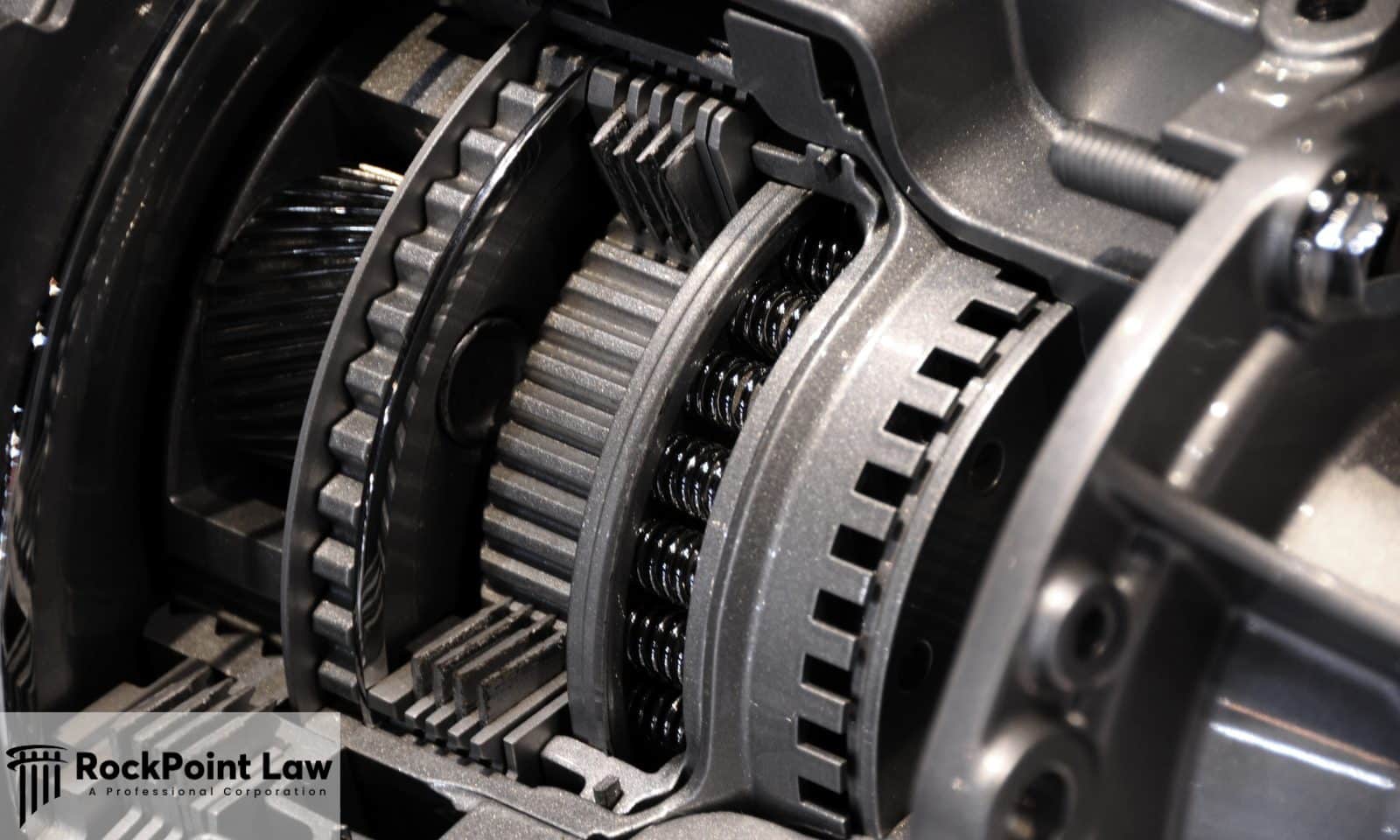
The RAM 1500 runs the ZF-derived 8HP70 8-speed automatic on most builds, while the 3500 uses the 68RFE or Aisin AS69RC on diesel builds. Each has its pattern of transmission issues that affects long-term reliability.
The 8HP70 logs complaints about rough shifting, hard 1-2 engagement, and loss of drive after a cold start. The 68RFE in the diesel 3500 is the unit with more reported issues, including converter shudder, torque-related band wear under heavy towing, and valve body failures that cause delayed shifting. The Aisin in higher-trim 3500s is more durable but expensive when it goes.
Transmission performance affects ride quality, fuel economy, and how the truck feels under load. Drivers who notice the change early often keep the repair inside warranty or extended warranty coverage; drivers who wait pay out of pocket for a job that started as a software flash.
1. Gear Slippage
Gear slippage shows up as a loss of power, RPMs climbing without the truck accelerating, or hard re-engagement when the transmission catches. On the 8HP70, it usually points to a valve body solenoid or low fluid; on the 68RFE, clutch pack wear.
Diagnosis starts with a scan for transmission codes and a fluid check at operating temperature. The 8HP70 has no traditional dipstick. The level is checked through a fill port at a specific temperature.
If the fluid is clean and correct, the next step is a valve body inspection. Solenoid replacement on the 8HP70 is moderate. Clutch pack replacement on the 68RFE is essentially a full rebuild, typically costing $4,000 to $7,000 depending on the shop.
2. Delayed Shifting
Delayed shifting, a long pause between gear selection and engagement, or a slow upshift under load, is one of the most reported issues on the 68RFE. Causes range from low fluid to a clogged filter to valve body wear to internal solenoid failure.
Start with a transmission fluid and filter service. If the delay persists, the shop will pull codes and check line pressure, a P0700 or P0750-series code points at the solenoid or valve body.
Stellantis has issued several TCM reflashes that sometimes fix the delay on their own. If the truck is still under powertrain warranty, push for the reflash before you authorize the rebuild.
3. Transmission Fluid Leaks
Transmission fluid leaks usually start at the pan gasket, the cooler lines, or the output shaft seal. ATF is reddish and slick, making it easy to distinguish from engine oil. A leak from the bell housing is more serious because it indicates a problem with the input shaft or pump seal.
Timely repair matters more on a transmission leak than an engine leak because the fluid does double duty as hydraulic pressure and coolant. Running low burns clutches and warps the valve body. A pan gasket job costs a few hundred dollars, while a burnt transmission requires a full rebuild, which is significantly more expensive.
Check the underbody after long drives and after any heavy towing. A fresh stain means you should diagnose before the next big haul.
Preventative Measures
Regular transmission fluid checks and changes are the simplest preventative maintenance step on the RAM. Stellantis lists 60,000 miles for severe service on the 8HP70, but real-world towing and hot California summers reduce that interval. A fluid service every 30,000-45,000 miles is cheap insurance.
Watch the fluid condition when the pan is dropped. Fresh ATF is bright red and clear; dark, burnt-smelling fluid means the clutches are giving up material. Metal flakes in the pan mean the rebuild conversation is coming.
Signs that point to professional service: rough shifting, transmission codes, slippage under load, fluid loss between services, or any new noise from the unit.
What Are the Electrical System Failures in Ram 1500/3500?
The electrical system on the RAM 1500 and 3500 is one of the most reported issues on newer models. Modern trucks run dozens of modules over a CAN bus, and a single weak ground or corroded connector cascades into warning lights across the dash. The starter, fuel pump, safety systems, and infotainment all ride on it.
Battery failures top the list. RAMs ship with auxiliary batteries on diesel and stop-start builds, and a weak primary or failed auxiliary causes hard starts, no-starts, and module resets that look like a dozen problems at once. Short trips, parasitic draws, and California heat shorten battery life. Replace at the first weak crank and keep terminals clean.
Another recurring complaint involves the Totally Integrated Power Module (TIPM), which acts as the truck’s central electrical distribution hub. When the TIPM begins to fail, drivers may experience intermittent stalling, power window malfunctions, fuel pump issues, or unexplained electrical behavior that can be difficult to diagnose.
Faulty wiring shows up as intermittent warning lights, dead accessories, or sensors that come and go. Usual culprits: the harness near the frame rails (rodent damage is common), connectors near the fuel tank, and rear window wiring on Crew Cab builds.
Sensor malfunctions are the third category. Crankshaft position, MAP, oxygen, and ABS wheel speed sensors all generate complaints across model years. A scan tool identifies the failed sensor most of the time, and replacing it with genuine components helps prevent the issue from recurring within 10,000 miles.
These categories overlap. A weak battery causes phantom sensor codes; bad wiring mimics sensor failure. A good shop tests in order: battery, charging, grounds, wiring, then sensors. Isolating the cause correctly the first time is the whole trick.
Solutions and Maintenance
Regular inspection of electrical connections is the cheapest defense against most of these issues. Pop the hood every oil change, look at battery terminals, main ground straps, and any aftermarket connections. Corrosion, looseness, and crushed pins are easy to spot and fix before they cascade.
Address warning lights promptly. Every light is logged in the BCM and connected to a specific subsystem. A check engine light that goes away on its own doesn’t mean the problem did — the code is still stored.
Carry a basic OBD-II scanner. A $30 Bluetooth unit and a phone app will tell you what the truck is complaining about before you spend $150 on a dealer diagnostic.
How to Maximize Performance and Durability
The summary of issues on the 1500 and 3500 is consistent: Hemi lifter and exhaust manifold wear, air suspension faults on higher trims, transmission valve body and fluid concerns, electrical gremlins on the wiring harness, and ball joint and suspension parts wear under heavy use. Each has a known fix and a known prevention path.
Match the maintenance schedule to how you actually use the truck. A 1500 that grocery-runs is a different machine from a 3500 that tows 16,000 pounds twice a week. The manual’s normal interval is written for the easy case. Add the severe-service column if the truck does real work.
Ram 1500 vs 3500 Reliability Guide: Key Differences in Engine, Transmission, and Repairs
If you’re trying to decide between the Ram 1500 and Ram 3500, the differences go beyond towing capacity and trim levels. Each truck has its own set of commonly reported issues that can affect long-term reliability and repair costs. To make the comparison clearer, here’s a breakdown of how the two models stack up across the most important problem areas and what those differences mean in real-world ownership.
| Category | Ram 1500 (Half-Ton) | Ram 3500 (Heavy-Duty) | Trade-Off Insight |
|---|---|---|---|
| Engine Focus | Hemi V8 issues (MDS lifters, oil consumption, exhaust manifold cracks) | Cummins diesel concerns (EGR clogging, fuel pump, turbo wear) | Gas is simpler but still has lifter issues; diesel is stronger but more complex and costly to repair |
| Cooling & Heat Load | Overheating mainly under towing or city heat stress | Higher cooling stress under sustained heavy towing | 3500 handles more load, but failures are more expensive when cooling systems are stressed |
| Transmission | 8-speed (rough shifts, cold-start hesitation) | 68RFE / Aisin (shudder, clutch wear, delayed shifting) | 1500 is smoother but not perfect; 3500 is stronger but more failure-prone under heavy use |
| Electrical System | Battery drain, TIPM glitches, sensor issues | More complex wiring + dual battery failures (diesel models) | 3500 has more electrical load points, increasing diagnostic complexity |
| Suspension Wear | Air suspension issues on higher trims | Heavier-duty components but faster wear under constant load | 1500 is more comfort-focused; 3500 trades comfort for durability |
| Best Use Case | Daily driving + light-to-moderate towing | Heavy towing, commercial use, long-haul hauling | Choosing wrong use case accelerates breakdowns in both models |
Tips for Ram 1500/3500 Owners
Stick with genuine components on critical jobs like the gaskets, sensors, water pump, and fuel pump. Price difference is small but the failure rate difference is not. Generic parts on a high-mileage 1500 or 3500 are often where repeat failures start.
Watch the suspension. Ball joints, control arm bushings, and air suspension components on Limited and Longhorn trims wear faster than the rest of the truck, especially on rough roads. A clunk over a bump or steering wander at highway speed is the early warning; driveline vibration points at U-joints or driveshaft components.
If your truck is still inside the powertrain warranty window, use it. Document every visit, every complaint, every repair attempt. For California owners, the Song-Beverly Consumer Warranty Act gives you real bargaining power when a manufacturer can’t fix a defect after a reasonable number of attempts. Keep the work orders, dealer emails, and diagnostic reports. Those documents are the foundation of any future claim.
Are You Facing Problems With Your Ram 1500/3500?
Understanding the common problems reported on these trucks and addressing them with regular maintenance is what separates a 200,000-mile work truck from a $40,000 paperweight. Catching the early warning signs, sticking with genuine components, and not driving through a check engine light are habits that pay off across long-term ownership.
If your truck has been through the dealer for the same problem more than once, that’s the conversation we want to have. RockPoint Law’s consumer-rights attorneys handle lemon law and warranty cases for RAM, Ford, GM, and other full-size trucks. Bring us your repair orders and we’ll tell you if you have a case, at no cost for the first consultation. Contact us today.
Frequently Asked Questions
Questions about repeat repairs and reliability are common among Ram owners, especially when recurring problems lead to unexpected repair costs. This FAQ section answers some of the most frequently asked questions in simple terms so you can better understand common issues, maintenance concerns, and your options.
What Are Some Common Problems Reported for Ram 1500/3500 Models?
Common problems include Hemi engine issues, transmission problems, electrical faults, and suspension wear. Diesel 3500 models may also experience issues with the fuel system and exhaust gas recirculation (EGR) components.
How Can I Prevent Transmission Problems in My Ram 1500/3500?
Change the transmission fluid every 30,000-45,000 miles if the truck is used for towing, hauling, or other heavy-duty work. If you notice rough or delayed shifting, have it checked early, as a software update may fix the problem before major repairs are needed.
What Are Some Signs of Electrical Issues in Ram 1500/3500 Trucks?
Hard starts, flickering warning lights, intermittent sensor issues, and accessories that work inconsistently can all signal an electrical problem. Begin with a battery and charging system test, then inspect the grounds and connectors before replacing sensors.
How Can I Address Steering Concerns in My Ram 1500/3500?
Steering wander, clunking noises, or pulling to one side are often caused by worn ball joints, tie rod ends, or a faulty steering damper. After 60,000 miles, have the front suspension and steering components inspected during routine oil changes.
Are There Any Recalls or Service Bulletins Related to Common Problems in Ram 1500/3500 Models?
Yes. The NHTSA recall database includes both active and past recalls affecting steering, fuel system, and electrical components on certain Ram 3500 model years. Enter your VIN to check whether any recalls apply to your truck.
Disclaimer: This article is for general informational purposes only and is not legal advice. Reading it does not create an attorney-client relationship with RockPoint Law. California lemon law and consumer-protection statutes have specific requirements, and the outcome of any case depends on facts not addressed here. For advice tailored to your situation, contact a licensed California attorney.
Diesel owner? Repeated emissions-system failures — DEF, DPF, or SCR faults, or a truck stuck in limp mode after multiple dealer visits — can support a claim. Learn more about diesel emissions lemon law.