
Updated:
Reviewed by Natalie Nassi, Esq., Managing Partner, RockPoint Law P.C.
The most common problems with the RAM 1500 fall into four areas: engine trouble like the hemi tick and overheating, rough or slipping transmission shifts, electrical faults such as battery drain and infotainment glitches, and a well-documented rear window leak that lets water into the cab. None of that makes it an unreliable truck. RepairPal still ranks the RAM 1500 first out of 17 full-size trucks for reliability, with a $691 average annual repair cost. Knowing the typical failures helps both before a vehicle purchase and long after.
RockPoint Law works with RAM 1500 owners whose trucks keep breaking in the same way after repeated dealer visits. We have watched a defect that should have been fixed under warranty turn into months of lost use, repair bills, and a truck the owner no longer trusts. If that sounds familiar, it costs nothing to ask whether your case fits your state's lemon laws. Contact us today for a free case review.
This guide covers the engine, transmission, electrical, and starting problems RAM 1500 owners report most, what causes them, and how to fix each one.
Ram 1500 Engine Issues
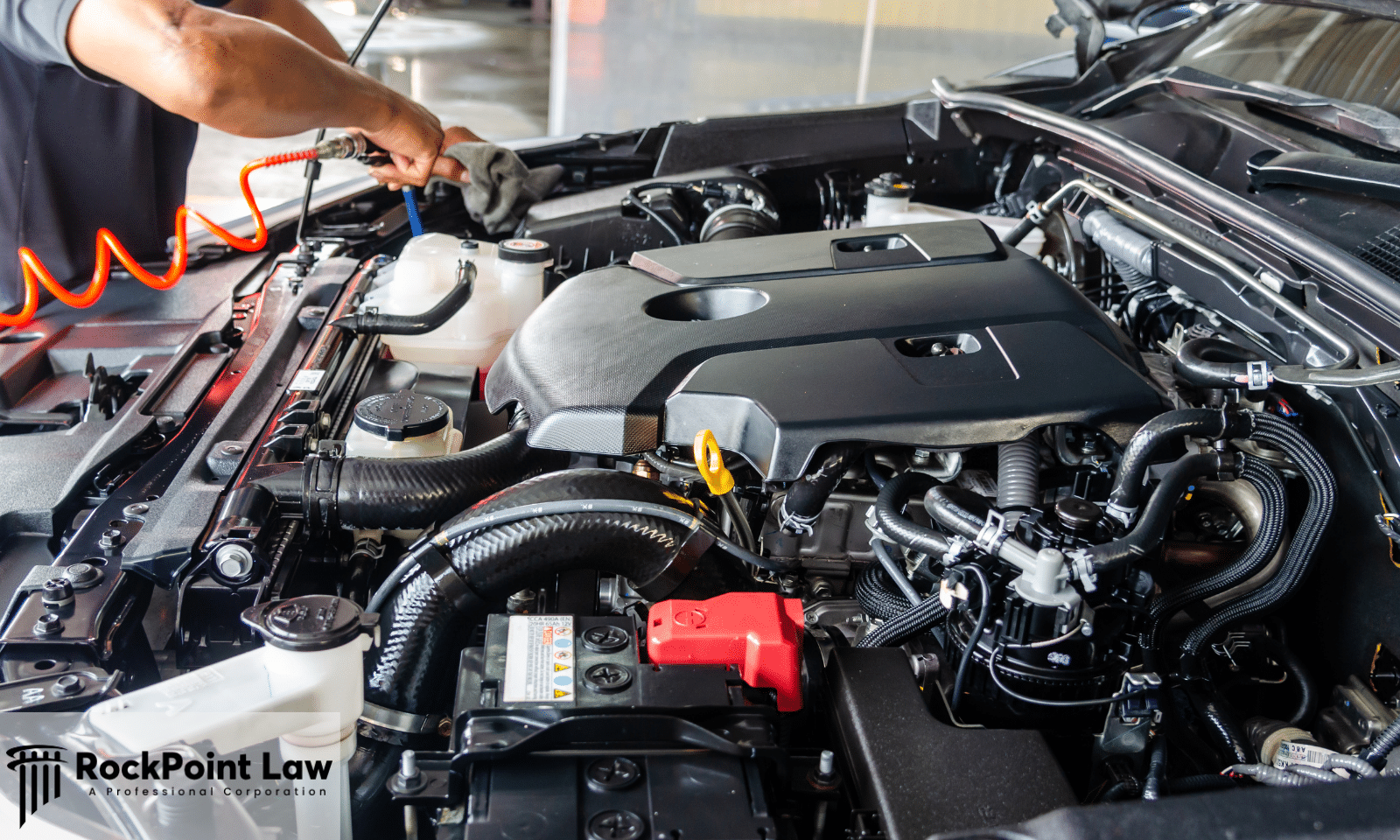
Overheating is not one of the only problems reported across RAM 1500 model years, but it is a recurring one. Owners describe the temperature gauge climbing during towing or stop-and-go traffic, sometimes with a coolant smell or steam at the hood. On a truck pulling heavy loads in summer heat, even a single issue in the cooling system can get exposed fast and give drivers real worry about reliability.
Oil leaks are one of the other issues that show up repeatedly. Drips appear at the valve cover gaskets, the oil pan, and the filter housing, and a slow leak can become low oil pressure if nobody checks the level. That is how a cheap gasket becomes an expensive repair.
Misfiring and stalling come up too, usually as a rough idle, a check engine light, and the occasional stall at low speed from worn spark plugs, failing coils, or a bad sensor. On HEMI V8 trucks, the hemi tick, a ticking noise on cold starts, gets lumped in here, though it usually traces to exhaust manifold bolts rather than internal damage.
What Are the Causes of Ram 1500 Engine Problems?
Most of these failures trace back to a few causes. Skipped maintenance is the big one. Stretching oil changes past their interval builds up sludge and wears out parts that need clean oil. That risk tends to grow with mileage, especially if the truck's service history is spotty or the owner ignored early warning signs in the first year of trouble.
Faulty components play a role too, like weak exhaust manifold bolts or a coolant part that was marginal from the factory. So does inadequate lubrication, from a low oil level or the wrong spec, which quietly damages bearings and the valvetrain. In some cases, restricted air flow through the cooling system can also add stress and make existing engine problems worse.
What Are the Solutions and Preventive Measures of Ram 1500 Engine Problems?
Most engine problems on the RAM 1500 respond to steady upkeep. Regular check-ups catch small issues while they are small, and a technician spots a weeping gasket, low coolant, or a frayed belt before it strands you.
Use high-quality oil and stick to the schedule. The factory spec is there for a reason. Owners who tow or haul heavy loads should change it sooner than the standard interval, since hard work shortens its life. Staying on top of that process matters more than waiting until the engine starts knocking or overheating. Replace worn parts on time. Spark plugs, coils, gaskets, and hoses all have a service life, and swapping a forty-dollar part beats replacing the engine it took out.
Keep records. If your truck is still covered, a documented history of dealer visits and oil changes helps connect the repair history to your warranty claim and, if the same failure keeps coming back, supports a lemon case later. An extended warranty can soften the cost of bigger repairs once factory coverage runs out, while the rest of your maintenance file shows whether you kept up your end of the bargain.
How to Address Ram 1500 Engine Overheating?
If your RAM 1500 starts running hot, a few checks can keep a warm afternoon from turning into a blown head gasket. Even trucks that have had zero issues for years can overheat recently if a cooling part fails without much warning, so it pays to stay ahead of it.
- Check coolant levels regularly. A low or empty reservoir is the most common cause of overheating, and topping it off is something most owners can do at home.
- Inspect the radiator for blockages. Bugs, road debris, and bent fins block airflow, and a clogged radiator cannot shed heat even with full coolant.
- Make sure the thermostat works. One stuck closed traps coolant in the engine. If the gauge spikes soon after startup, that is a likely suspect for a mechanic to test. On one truck, a bad thermostat may be the whole problem, but it is still worth ruling out early before heat causes bigger damage.
Transmission Problems in Ram 1500
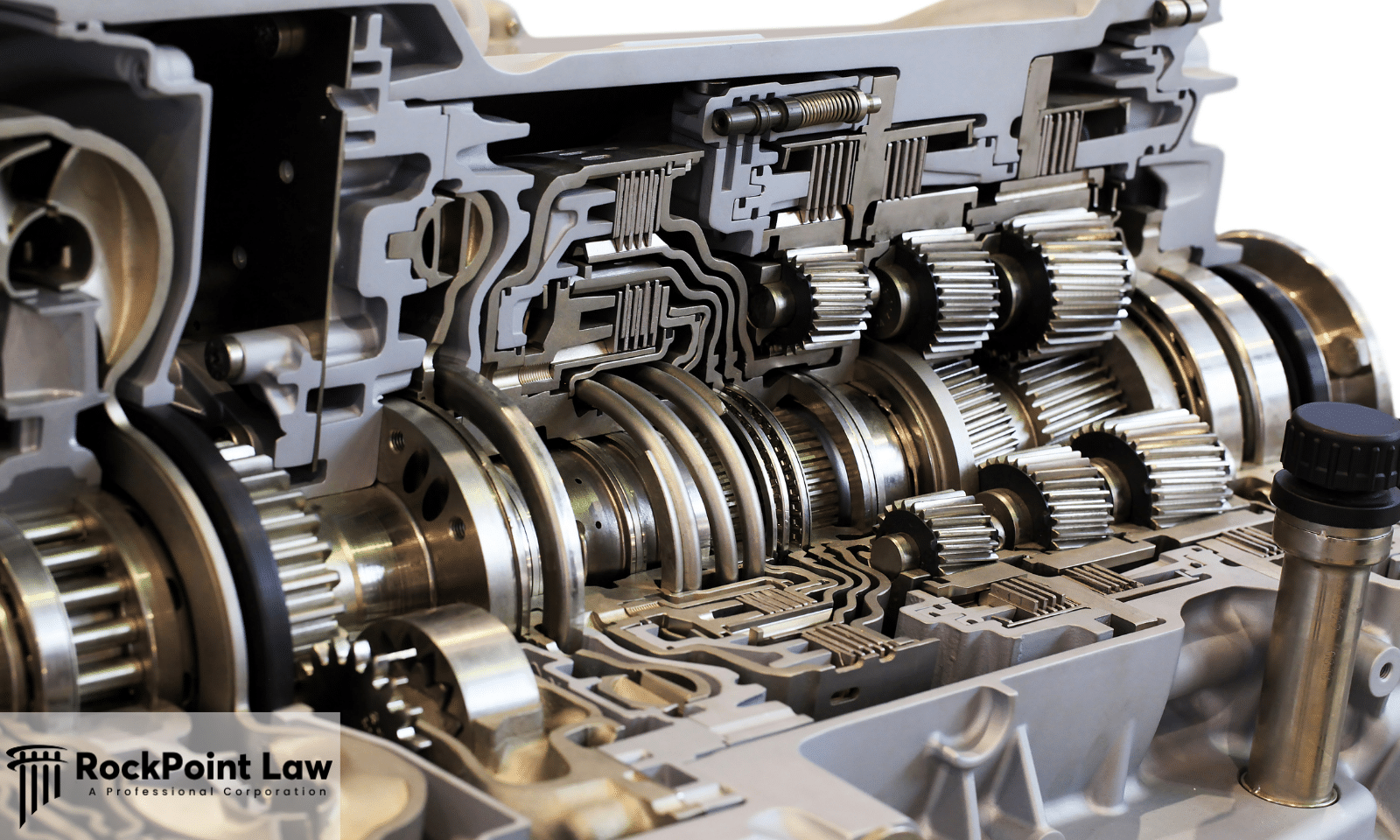
The eight-speed automatic in the RAM 1500 is generally solid, but a few transmission issues come up enough to mention. Slipping gears is one: the engine revs, but the truck does not accelerate. Rough shifting lands with a clunk instead of a smooth handoff, and delayed engagement is that pause between shifting into drive and the truck moving. These are not unique to one brand, and in the used truck market, they can affect how a RAM stacks up against comparable pickups.
"Transmission complaints are some of the most common problems reported to us," says Aaron Waldo, an attorney at RockPoint Law, "usually after an owner has paid for the same fix two or three times." That lines up with what many owners describe when the problem keeps returning after repair attempts.
What Are the Diagnostic Signs of Ram 1500 Transmission Problems?
A few signs tell you the transmission needs attention. Unusual noises during a shift, whining, grinding, or a heavy clunk, point to internal wear or low fluid. Dashboard warning lights often show up first, and if you're already deep into this page because the truck jerks or slips under load, that is a sign not to ignore it. So does plain difficulty changing gears, where the truck hunts for a gear or will not downshift smoothly, especially when towing a trailer or boat.
How to Fix Transmission Problems in Ram 1500
Start with the fluid. Low or burnt transmission fluid causes much of the slipping and rough shifting owners report, and a fluid check is cheap. If it smells scorched or looks dark, a flush and refill with the correct spec often restores normal shifts.
Some shifting complaints are software, not hardware. Stellantis has issued reprogramming updates for the transmission control module on certain trucks, and a dealer can reflash it to smooth out shift logic. Ask whether an update applies before you authorize bigger work.
When fluid and software do not settle it, get a professional diagnostic. A shop can read the codes, run pressure tests, and tell you whether you are looking at a sensor, a solenoid, or something deeper in the gearbox. Guessing is how owners pay for parts the truck never needed.
Tips for Enhancing Transmission Performance
Regular fluid changes do more for transmission life than almost anything else. Even sealed, lifetime units benefit from fresh fluid on a sensible schedule, especially on trucks that work hard.
Go easy on aggressive driving. Hard launches, sudden throttle, and constant hard braking heat up the fluid and wear the clutches faster. A lighter foot keeps the transmission longer.
Tow the right way. Stay within the rated capacity, use tow/haul mode when pulling heavy loads, and let the transmission cool after a long grade. Proper towing habits separate a transmission that lasts from one that cooks itself early.
Electrical System Failures in Ram 1500
Electrical problems are some of the most reported issues on newer RAM 1500 trucks. Battery drainage tops the list, where parasitic draw from modules that will not sleep leaves a dead battery after the truck sits a few days. Faulty wiring and loose connections show up too, sometimes traced to a rear window leak letting water reach things it should not. Malfunctioning lights round it out: flickering interior lights, warning lamps that come and go, gauges that blank out.
Spotting an electrical fault early saves headaches. Warning lights that turn on for no clear reason, or several at once, often signal a power or grounding problem rather than the system each light names. Flickering or dead lights are a classic sign, and so is inconsistent accessory performance: a wireless charger that works sometimes, power windows that lag, a screen that reboots on its own. When several accessories act up together, the cause is usually upstream in the wiring or the battery.
Begin with the battery. A load test at a parts store or dealer tells you whether it still holds a charge. If it is weak or several years old, replace it, since a tired battery causes strange electrical behavior that clears up once the battery is healthy.
Track down parasitic drains. If a fresh battery keeps dying, a technician can measure the draw and find the module or circuit that stays awake. It takes patience to chase, but it is fixable once located.
Inspect wiring and connections on a schedule. Corroded grounds, chafed harnesses, and water intrusion all cause intermittent faults. The rear window leak behind a class-action complaint is a good example, since water in the cab can foul wiring, lighting, and the start system.
Use OEM parts for replacements. Cut-rate aftermarket modules, sensors, and connectors are a common source of repeat failures on trucks like the Dodge Ram. Genuine parts cost more up front, but they spare you the second repair and the third trip to the dealer.
How to Troubleshoot Common Ram 1500 Issues

A RAM 1500 that will not start usually comes down to one of three things, and you can rule them out in order.
- Check the battery and try a jump-start. A dead or weak battery is the most common no-start cause. If the truck fires up off jumper cables or a jump pack, the battery or charging system is your culprit.
- Evaluate the starter motor. A single click or a grinding sound with no crank points to a failing starter. A quick bench test at a shop confirms it.
- Inspect the ignition switch. When the dash stays dark and nothing responds, a faulty ignition switch or related wiring can be the reason. Hand this one to a professional.
How to Maximize Performance on Your Ram 1500
Getting the most out of a RAM 1500 comes down to habits and not big-ticket repairs, so it is important to stick to a routine maintenance schedule. Oil, filters, fluids, brakes, and tire rotations on time keep the whole truck running the way it did the day you bought it.
Keep the software and firmware updated. Modern trucks run on dozens of computer modules, and manufacturers push updates that fix shift quality, infotainment bugs, and electrical quirks. NHTSA data show that Stellantis recalled more than 1.2 million RAM 1500 trucks in 2024 to reflash ABS software that could disable electronic stability control. Ask your dealer to check for pending updates at each service visit, since many are quick and free.
Address minor issues promptly. A small leak, a faint noise, or a warning light that clears itself is the truck telling you something early. Owners who deal with the little stuff avoid most of the big stuff and spend less over the life of the truck.
None of this is unique to the Dodge Ram. Any full-size truck, a Toyota Tundra included, rewards an owner who keeps up with maintenance. The RAM 1500 can be a reliable truck for years when it is looked after, which is what makes repeat failures on a well-maintained truck so frustrating and sometimes a sign of something the manufacturer should make right.
Ready to Recover Damages for a Faulty Ram 1500?
The RAM 1500 earns its spot as a popular full-size truck, but the common problems are real: overheating and oil leaks, the Hemi tick, transmission slipping, electrical drain, and the rear window leak that can damage everything it touches. Most respond to preventative maintenance, fresh fluids, OEM parts, and dealing with small failures early. Keeping up with maintenance and saving records is the best protection a buyer has for the truck and for any future warranty or lemon claim.
When the same defect keeps coming back after the dealer has had a fair chance to fix it, the problem may no longer be mechanical. That is where lemon laws and warranty claims come in. If your truck has spent more time in the shop than it should for the same issue, talk to a legal professional about your options.
RockPoint Law represents truck owners in vehicle defect and lemon law claims on a contingency fee basis: if we do not recover for you, you do not pay a fee. Our lemon law attorneys pursue every remedy your state's lemon law allows, from a manufacturer buyback to a replacement or compensation, and we deal with the manufacturer so you do not have to. Contact us today for a free case review, usually returned within twenty-four hours.
Frequently Asked Questions
RAM 1500 owners often run into the same concerns, especially as the truck gets older or sees heavy use. Below are some of the most common questions about RAM 1500 problems and what drivers should know.
What Are Common Transmission Issues With the RAM 1500?
RAM 1500 owners often report slipping gears, rough shifting, and delayed engagement when putting the truck in drive. These issues can be caused by low transmission fluid, worn parts, or software problems that may need a dealer update.
What Are Common Problems With the Suspension System in the RAM 1500?
Common suspension problems include worn control arm bushings, bad shocks, front-end clunking, and uneven tire wear. These issues can get worse if the truck is used often for towing or carrying heavy loads.
What Are Typical Electrical Problems in the RAM 1500?
Electrical issues in the RAM 1500 can include battery drain, screen freezing, flickering lights, and wiring problems. In some cases, water leaks can damage electrical components and lead to repeated faults.
What Are Common Engine Problems Experienced by RAM 1500 Owners?
RAM 1500 owners often deal with oil leaks, overheating, misfires, stalling, and the well-known HEMI tick on some V8 models. Catching leaks early and keeping up with regular oil changes can help prevent bigger engine problems.
How Can I Address Common Brake Issues in the RAM 1500?
Brake problems in the RAM 1500 may include worn brake pads, damaged rotors, squealing noises, or a soft brake pedal. Replacing worn parts on time and checking the brake fluid can help keep the braking system working safely.
Disclaimer: This article is general information about common RAM 1500 problems and is not legal or mechanical advice. It does not create an attorney-client relationship. Vehicle defects, repair needs, and consumer rights vary by situation, and lemon laws differ from one state to the next. For advice about your specific truck, consult a qualified mechanic. For advice about your legal options, consult a licensed attorney in your state. Past results do not guarantee future outcomes.
Diesel owner? Repeated emissions-system failures — DEF, DPF, or SCR faults, or a truck stuck in limp mode after multiple dealer visits — can support a claim. Learn more about diesel emissions lemon law.